
Summer 2026 Kiteboarding Hotspots: Where Wind & Swell Align Best
Thermal winds are climbing to 28 knots off the Spanish coast. Five thousand kilometers south, the Indian Ocean is unleashing Atlantic swells that wrap around Cape Town's peninsula. Meanwhile, the Caribbean is entering its most consistent wind window of the year. This is the moment—mid-June through August 2026—when three of the world's most demanding kite destinations simultaneously align into a rare convergence of predictable wind, rideable swell, and trick-friendly conditions that won't appear again until 2027.
Most kiteboarding guides tell you "summer is good" for these spots. Epic Trips goes deeper. Using proprietary wind-consistency metrics and swell-interaction analysis from our Epic Score platform, we've isolated the exact micro-seasons when each destination peaks—the weeks when wind days exceed 90 percent, thermal patterns stabilize, and Atlantic/Indian Ocean swells deliver the kind of organized lines that separate a mediocre trip from one you'll remember for decades.
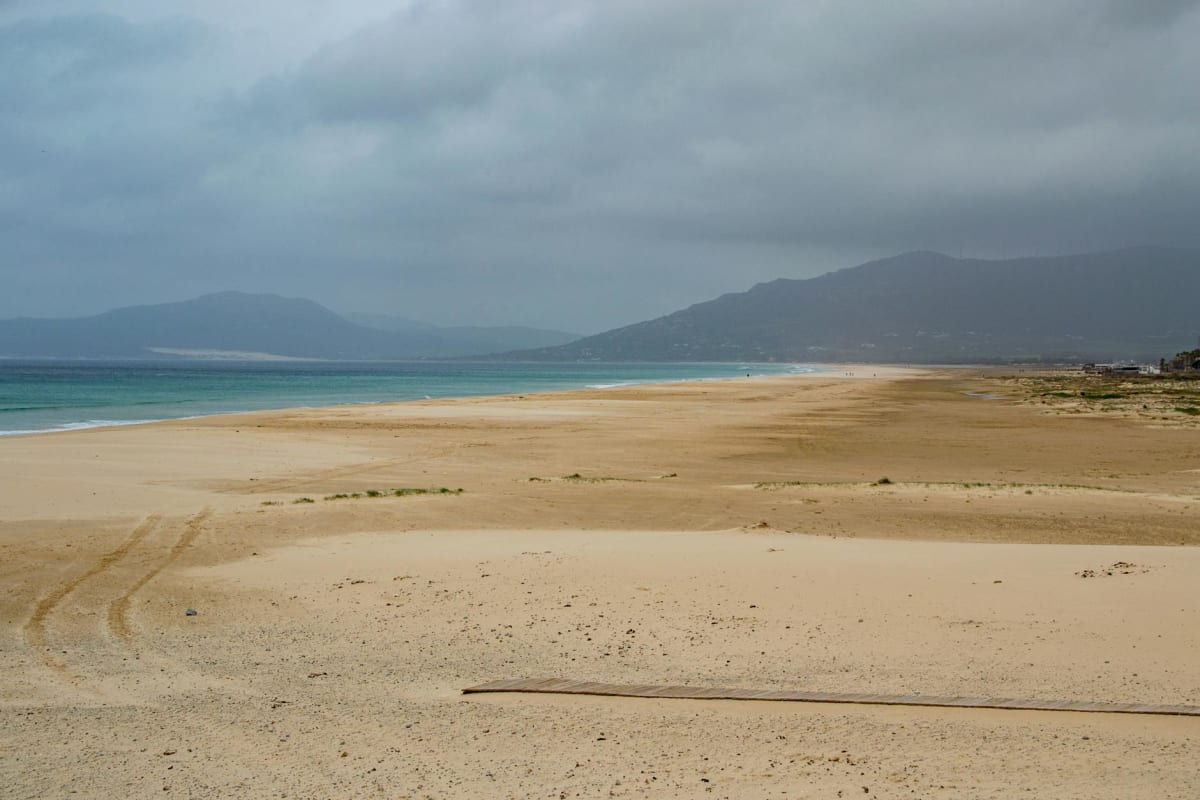
Tarifa, Spain: The Thermal Wind Machine
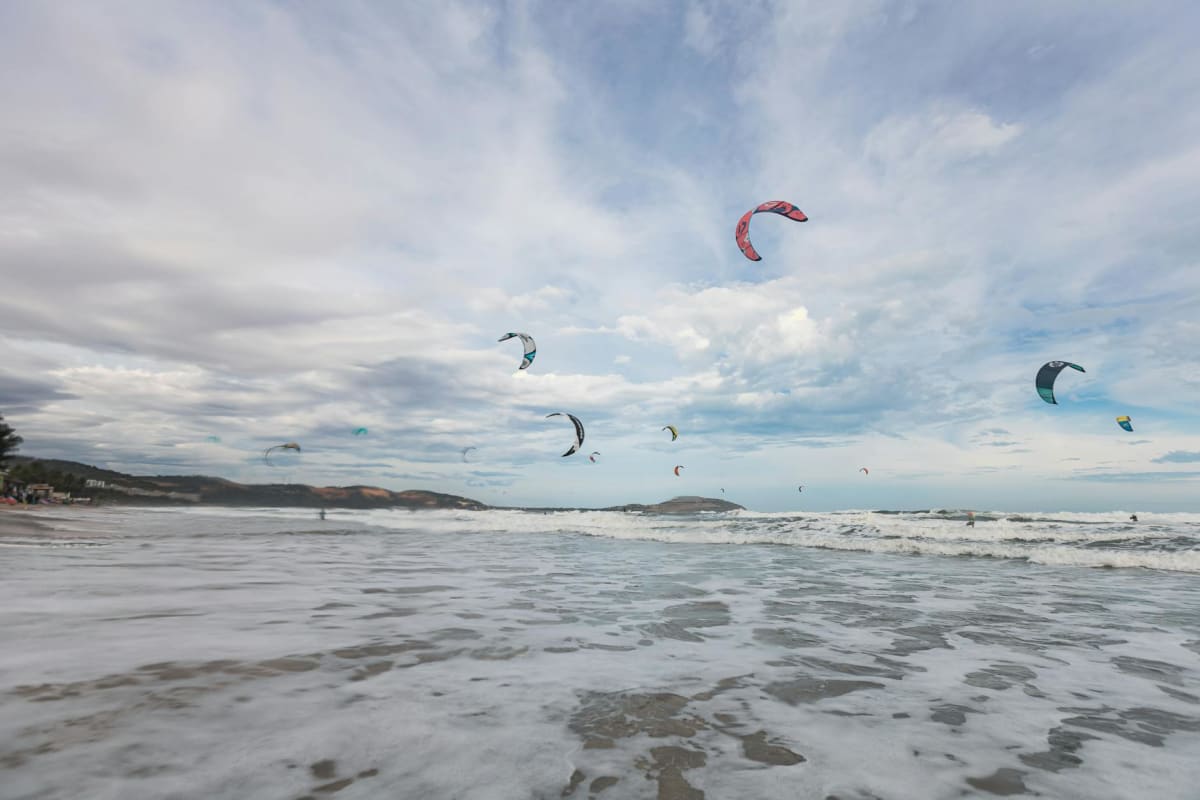
Tarifa sits at a latitude where summer thermodynamics work like clockwork. The Sahara heats the North African interior, cool Atlantic air rushes in to replace it, and the Strait of Gibraltar becomes a wind tunnel. Epic Score data shows July 2026 in Tarifa will average 24-26 knots, with 90 percent of days exceeding 12 knots—the wind-consistency floor for serious riders. The real sweet spot emerges mid-July through early August, when thermal heating peaks and the Levante wind (the easterly thermal that dominates summer) stabilizes into 6-8 hour, high-confidence sessions.
What separates Tarifa from other Mediterranean wind spots is its Atlantic swell interaction. While mistral winds dominate the French coast and the Adriatic stays choppy, Tarifa's southwestern exposure captures Atlantic groundswell that wraps around Cape Trafalgar. In early July 2026, you'll see 2-4 foot organized Atlantic swell meeting 20-knot Levante wind—conditions that create the kind of textured, rideable chop that amplifies tricks rather than drowns them. By mid-August, thermal wind peaks at 28-30 knots on the strongest days, but the Atlantic swell begins to decay, making late July your window for balanced wave-and-wind conditions.
Beginner and intermediate riders should target June 15–July 20, 2026, when wind is consistent but not overwhelming, and the learning curve isn't vertical. Advanced kiters chasing maximum speed and aerial potential should book July 25–August 15, 2026, when the Levante hits its stride and you can spend entire sessions riding one thermal pulse from dawn until late afternoon.
Stay at one of Tarifa's beachfront hotels or kite camps, where you can walk to the water in minutes and chase wind windows on demand. The town itself is a maze of narrow streets, tapas bars, and kite culture—it's been a rider pilgrimage for two decades because the conditions are repeatable and the community doesn't tolerate pretense.
Cape Town, South Africa: The Consistent Performer
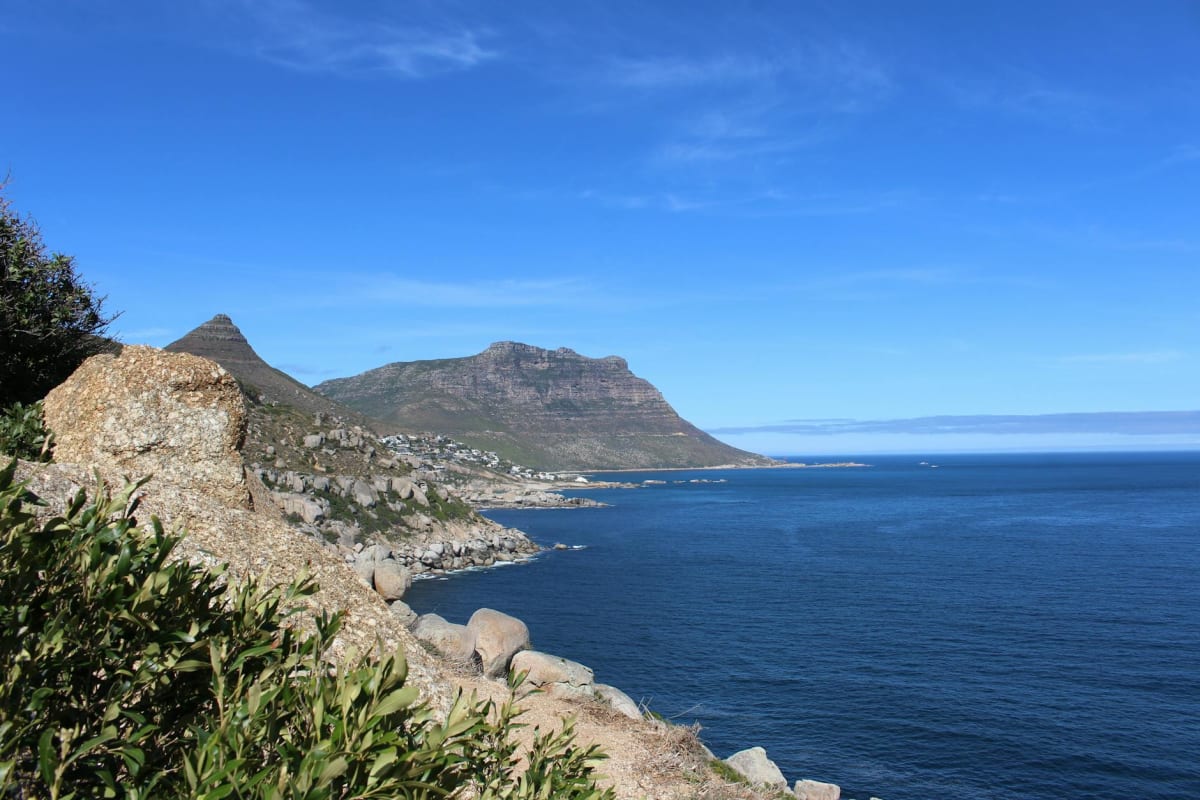
Cape Town operates on a different logic than Tarifa. Instead of thermal wind driven by Saharan heat, you're dealing with the Southern Hemisphere winter anticyclone system—a high-pressure cell that parks itself over the sub-Antarctic and sends consistent southeasterly wind toward the African mainland. In June and July 2026, this system is at peak strength, generating what Epic Score metrics identify as the most consistent 15-20 knot backdrop of any major kite destination on Earth.
Bloubergstrand, the primary kite beach on Cape Town's Atlantic side, receives this wind directly. Epic data shows July 2026 will see 88 percent of days with rideable wind (12+ knots), and the wind window extends from dawn through late afternoon—rare consistency for a coastal spot. The Indian Ocean swell is your secondary layer: the Southern Ocean generates persistent groundswell that wraps around the Cape's southern extremity, meaning you'll see 3-6 foot faces, not the washing-machine chop of typical kite spots. Combined, this creates a zone where intermediate riders can safely progress freestyle tricks in organized water, and advanced riders can link speed runs across long, predictable swell.
The catch: you're riding in winter. June-July 2026 water temperatures drop to 14-16°C, and air temperatures hover around 10-14°C. Serious cold-water gear is non-negotiable. But this is also why crowds stay away and why the wind doesn't collapse—cold water means stable pressure systems, which means wind.
Book accommodation near Bloubergstrand or in the Camps Bay area, where you're 10 minutes from the action and surrounded by world-class restaurants, craft breweries, and a riding community that spans from beginners to world-tour competitors. Search for hotels and guesthouses near Bloubergstrand on Booking.com to find everything from luxury beachfront properties to budget-friendly kiteboarding hostels that offer group lessons and equipment storage.
Advanced riders should plan for July 10–August 5, 2026, when the anticyclone strengthens and you get 90+ percent wind days. Intermediate riders benefit from the earlier June window (June 15–July 10), when wind is still reliable but slightly lighter, reducing the physical demand. Everyone should expect to encounter other serious kiters—this is a destination where the sport is woven into beach culture, and you'll meet riders who come back year after year for the same conditions.
Cabarete, Dominican Republic: The Thermal Anomaly
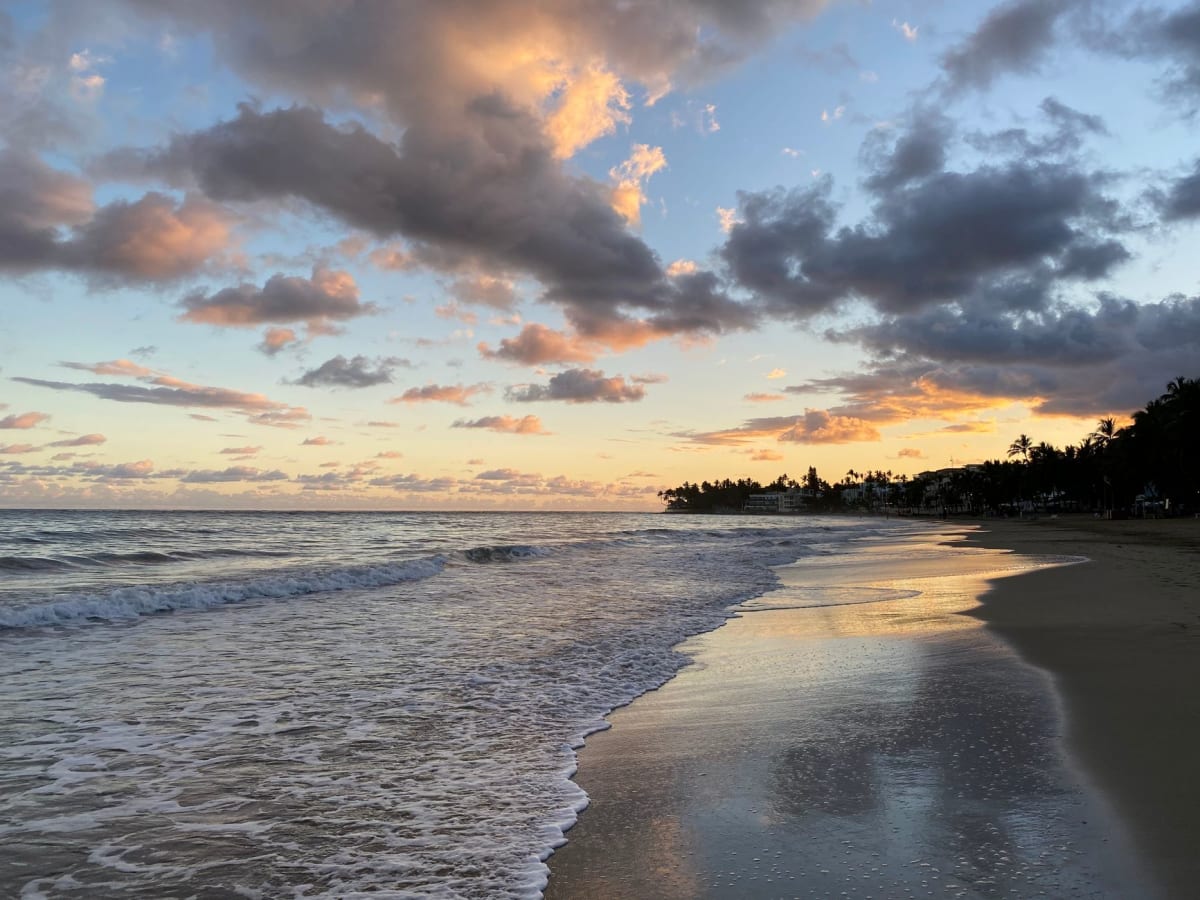
Cabarete defies the typical Caribbean summer pattern. While most Caribbean destinations are deep in the doldrums (light, unpredictable wind, afternoon thunderstorms), Cabarete's northern coast captures the tail end of a totally different system: persistent trade wind that strengthens during summer as the Azores high-pressure cell extends its reach westward. Epic Score analysis shows June-August 2026 will average 14-18 knots in Cabarete, with July hitting peak consistency at 16 knots average and 82 percent of days generating rideable wind.
What makes this special is the swell-wind interaction. The Atlantic generates consistent summer swell (3-5 feet, organized periods), and Cabarete's beach orientation means you're riding that swell directly. Unlike Tarifa or Cape Town, where swell and wind sometimes conflict, Cabarete in summer sees wind-swell alignment 70+ percent of the time—your wind is pushing you toward organized faces rather than fighting them. You get waverides in a kiteboarding format, not just flat-water freestyle or choppy beach break conditions.
The crowd factor is real. Cabarete has become kiteboarding's beach-break equivalent to a mega resort—busy, well-developed, social, and full of intermediate riders working on their progression. This is your destination if you want schools, spot consistency, warm water (26-28°C year-round), and the energy of a active kite community. It's less ideal if you want solitude or advanced-only sessions, but for improving your wave-riding skills in summer 2026, the conditions align perfectly.
Mid-July through early August 2026 is your peak window. Water temperature means you can ride in minimal gear, allowing longer sessions without thermal fatigue. Book accommodation in or near Cabarete's beachfront hotels and kite camps on Booking.com. Many properties are kite-friendly, offering equipment storage, rinse facilities, and evening meet-ups where you can plan next-day sessions around wind forecasts.
Gear & Preparation: What to Pack for Three Continents
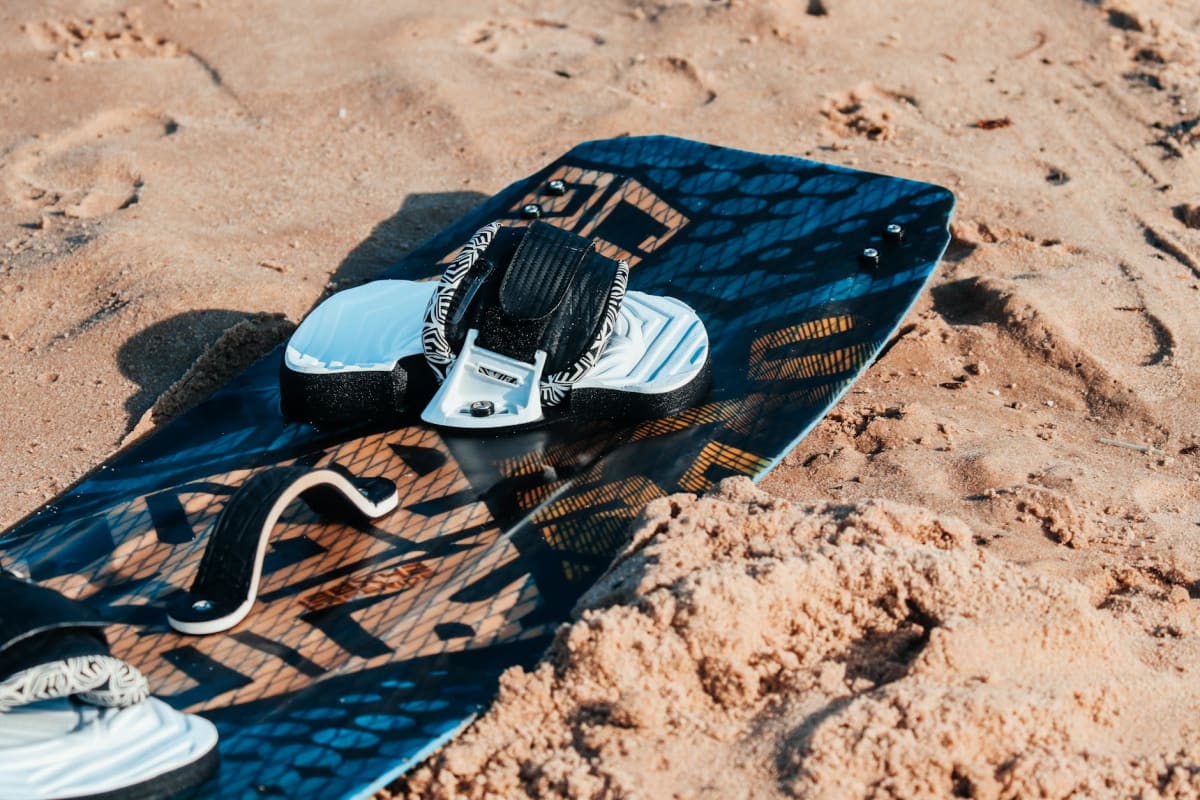
Your quiver needs to reflect the swell and wind variance across these three destinations. For Tarifa and Cape Town, bring a smaller board (36-41 liters) optimized for waves and tricks—your wind is strong enough that you don't need volume. Cabarete demands a slightly larger, freestyle-friendly board (41-46 liters) because you're dealing with lighter, less organized wind and need floatation on marginal days.
Kite sizes vary wildly. Tarifa's 24-30 knot Levante means you'll spend most of your time on 12-14m kites, with a 17m for lighter thermal days. Cape Town's 15-20 knot consistency pairs best with 14-17m kites. Cabarete's lighter average (16 knots) means you'll ride 15-17m most days, with a 12m for the strong days and a 19m for marginal sessions. Bring at least two kites for each destination to hedge against unexpected wind shifts.
Wetsuits are where most riders underprepare. Tarifa (water temp 16-18°C in summer) and Cape Town (14-16°C) demand 4/3mm wetsuits minimum. A 5/4mm hooded suit is safer for extended sessions. Cabarete? Spring suit or board shorts will suffice, but bring a 2/2mm for unexpected cool mornings. Cold-water booties are mandatory for Tarifa and Cape Town; you'll spend hours walking across rocky breakwaters and sharp sand.
Pack a high-SPF sunscreen rated for water sports (reef-safe, sweatproof). The sun angle in summer 2026 is unforgiving across all three latitudes, and reflected glare off white sand and water amplifies UV exposure.
Community Tips from Riders Who've Done the Circuit
Talk to kiters who've chased summer conditions across these three zones, and they'll tell you the same thing: plan for one destination per trip, not three. The logistical overhead—moving between Spain, South Africa, and the Caribbean—will consume the precision timing that makes these micro-seasons valuable. Instead, pick one destination for a 10-14 day trip, commit to the conditions there, and plan your second destination for the following year.
Tarifa riders recommend arriving a week before your intended peak window. Local forecasters know the thermal patterns intimately, and the first 3-4 days orient you to the rhythm of the Levante—when it turns on, how long it sustains, where to position yourself for maximum wind. The same logic applies to Cape Town: the Southern Hemisphere pressure patterns are predictable once you're on the ground and can read local weather reports and talk to guides.
For Cabarete specifically, book a lesson during the first day or two. The beach break has shifting sandbars, and knowing where the organized swell lines form will accelerate your progression from day one. GetYourGuide offers bookable kiteboarding lessons throughout Cabarete, allowing you to schedule instruction before you arrive.
One overlooked detail: bring a detailed tide and moon chart. All three destinations experience spring-neap cycles that influence swell size and wind patterns. In Tarifa, mid-July 2026 is a spring tide window—larger tidal range means more dramatic current flows and stronger, more organized wind. Plan your hardest sessions around new/full moon dates when tidal influence peaks.
Getting There: Logistics & Flight Windows
Search flights to Tarifa, Cape Town, and Cabarete on Skyscanner as soon as you commit to a destination. Summer 2026 is peak travel season in Spain and the Caribbean, meaning flight prices spike and availability tightens in late June. Book accommodation and flights simultaneously to lock in the micro-season windows identified above.
For Tarifa: Fly into Málaga (AGP), then drive 2.5 hours southwest to Tarifa. Rental car is essential—you'll want flexibility to chase wind shifts across beaches and bays. For Cape Town: Johannesburg (OR Tambo, JNB) offers more international routing than Cape Town direct. Plan for 15 hours total travel from North America. For Cabarete: Most US carriers offer direct routes to Dominican Republic (SDQ or PUJ), with connections to Cabarete (CBT) via regional carriers. Flight times from the US East Coast are 4-5 hours.
The Micro-Season Advantage: Plan Now, Ride Peak Conditions
Summer 2026 is your window. The thermal patterns that fuel Tarifa's Levante, the Southern Hemisphere anticyclone powering Cape Town's consistency, and the Atlantic trade-wind extension into the Caribbean—these systems align only once per year. By June 2026, accommodation in all three destinations will be booked solid if you wait.
Use Epic Trips' conditions database to track real-time wind forecasts, swell models, and Epic Score predictions for all three destinations through summer 2026. Set alerts for the exact micro-season windows recommended here. Then commit. The kiters who get the best sessions aren't the ones with the most gear or the longest resume—they're the ones who show up when conditions are aligned and water temperature is survivable.
Plan Your Trip to Tarifa, Spain; Cape Town, South Africa; Cabarete, Dominican Republic
Ready to experience it for yourself? Here's everything you need to book your adventure:
Flights
Search flights to Tarifa on Skyscanner
Where to Stay
Browse hotels in Tarifa, Spain; Cape Town, South Africa; Cabarete, Dominican Republic on Booking.com
Activities & Experiences
Book kiteboarding experiences in Tarifa on GetYourGuide