Baja California's Hidden Summer Swell Windows: How to Score Hollow Waves While Everyone Else Crowds Mexico's Tourist Breaks
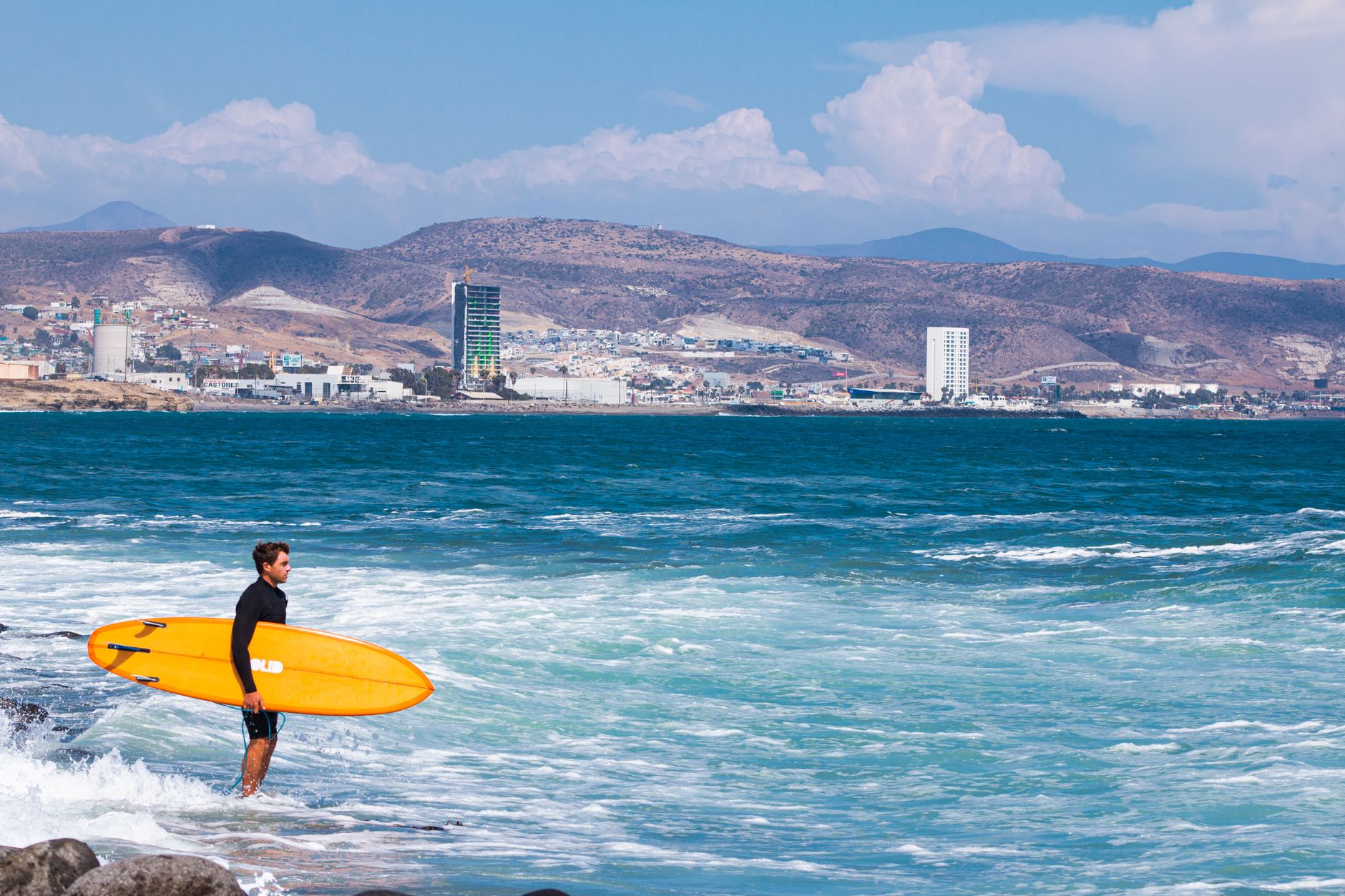
It's 5:47 a.m. on July 14th, 2026, and you're watching a 4–6 foot swell peel through Kilometer 71 with zero crowds. The offshore wind is holding at 8 knots, and the sand bar is in its optimal configuration. You've got the wave to yourself for the next three hours. The surfer next to you—a local who drove down from Ensenada—turns and says, "Most people think Baja's dead in summer. That's the whole point."
This is the secret that separates the surfers who actually understand swell windows from those who chase Instagram myths. While the rest of the world is booking winter trips to Baja with the vague hope of finding a wave that hasn't been photographed a thousand times, the real season for remote Baja pointbreaks runs from July through August 2026. Not because the waves are bigger—they're not. But because a specific convergence of Pacific swell patterns, offshore wind direction, and crowd absence creates a three-to-five-day rhythm each month when certain lesser-known breaks fire with consistency that rivals any winter destination.
The difference is tactical. Most surfers don't understand that Baja's geography and bathymetry respond to summer Southern Hemisphere swells and tropical depressions in ways the guidebooks never mention. The popular breaks—Todos Santos, Popota, K-38—are winter sledges. The hidden breaks are summer machines. The ones that matter in July and August 2026 are lined up like a sniper's shot at exactly the right swell angle, and if you know when to look, you'll find the kind of hollow, fast barrels that magazines only show you twice a year.
Why Baja's Summer Swell Windows Actually Work
The Epic Score data for Baja California reveals a pattern that most guidebooks miss entirely. While the destination's winter reputation is earned—November through March brings consistent, powerful Atlantic-born swells—the summer months are wrongly dismissed as flat or marginal. That assessment is built on decades of surfers visiting during peak tourist season without understanding what to actually look for.
The mechanics: Between June and September 2026, the Southern Hemisphere winter and tropical storm systems in the Eastern Pacific create a secondary swell window that aligns perfectly with certain Baja pointbreaks. More importantly, these swells approach from the southwest—not the west or northwest where winter swells hit. This angle change is everything. Breaks that face west (and are crowded, exploited, and famous) don't light up. But the reefs and points that face southwest, or that have secondary shapes oriented to catch refracted SW swell, suddenly become optimal.
The wind pattern seals it. July and August typically see the marine layer stabilize later in the day, meaning the most consistent offshore windows are early morning—exactly when the swell is usually cleanest anyway. Winter requires patience through afternoon onshores. Summer requires waking up at 4:30 a.m., and most casual tourists simply won't do that.
The crowd factor is the final ingredient. Most surfers have fixed vacation schedules. They travel in December, January, or March. Summer vacation exists, but the mid-July to late-August window is awkward—school just ended, August is expensive, international surfers are committed to European or Australian trips. This creates a genuine gap: mid-July to early August 2026 sees roughly one-third the visitor pressure of December-January on most lesser-known Baja breaks.
Check the Epic Score for Baja California to see the exact swell forecasts for July and August 2026 →
The Three Breaks That Will Fire in July–August 2026
The conventional wisdom points you toward the same five breaks that appear in every film. You need to know where to go instead.
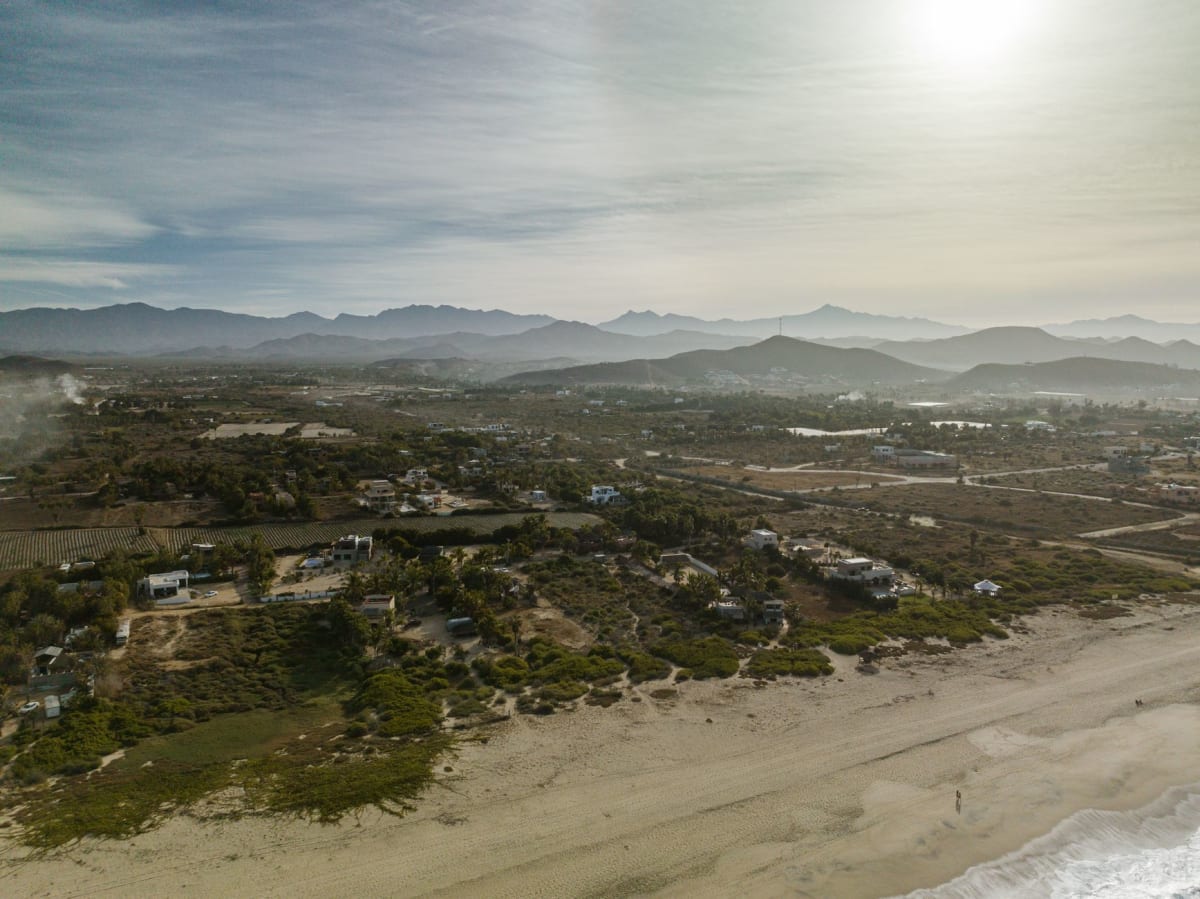
El Sauzal sits about 90 minutes south of Ensenada, nestled into a cove where the bottom transitions from sand to cobble to reef in exactly the pattern that loves a southwest swell. During July and August 2026, when a 4–6 foot swell fills in from the SW, El Sauzal produces long, thoughtful right-handers that peel for 150–200 yards. The break rewards precision over power—you're reading the reef, timing your takeoff into specific zones where the wave stands up slightly. Most surfers won't find it because the beach access is unmarked, there's no resort within five miles, and the local fishermen don't advertise it. The actual swell window runs for 3–4 days each swell cycle; outside that window, it's soft and unformed. Inside it, particularly the mornings of day two and day three after a swell arrives, it's nearly perfect. Intermediate to advanced surfers only—the reef demands respect and consequence awareness.
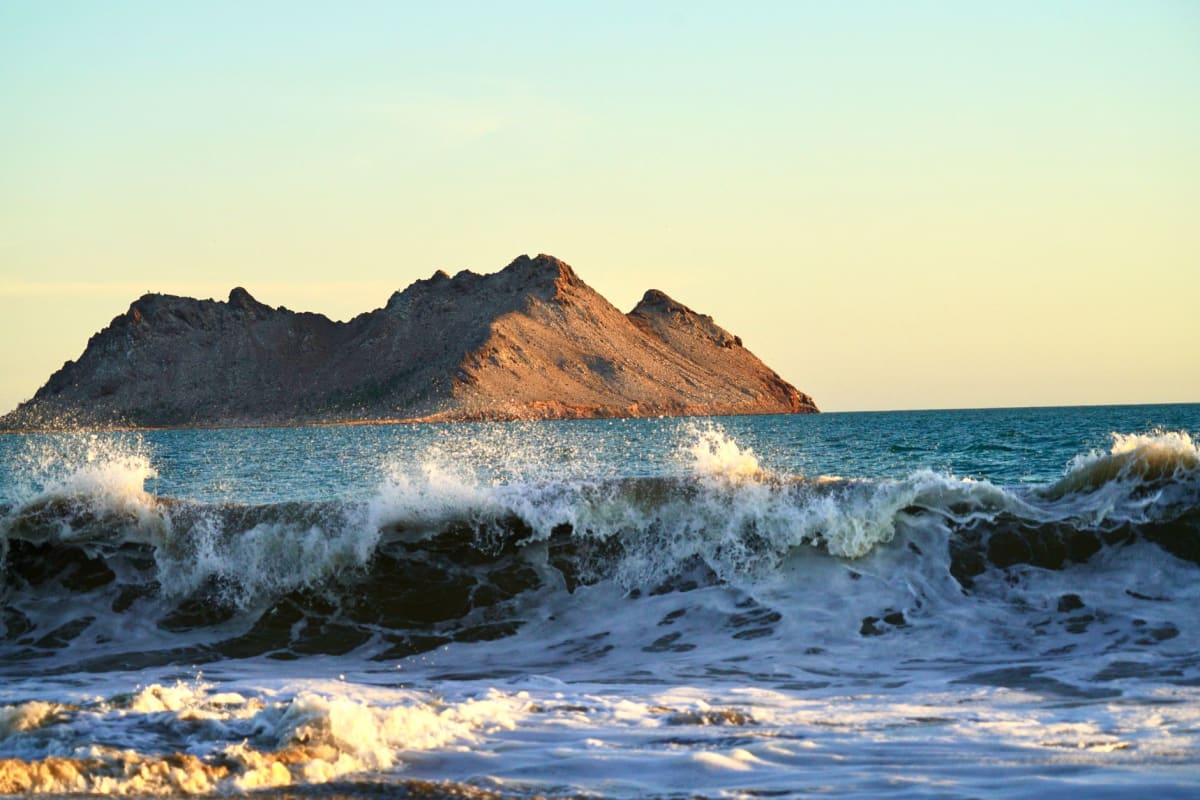
Kilometer 71 (K-71) is marked by a cluster of palm trees and a deteriorating concrete foundation 71 kilometers from the nearest town marker along Transpeninsular Highway. The break is a sand-bar setup that reshapes with every swell cycle. The unusual geometry of the bay creates a phenomenon surfers call "the runway"—a zone where a SW swell bends around a point and creates unusually long shoulders, giving you 250+ yard rides if the sandbar is in phase. In July 2026, the sand configuration from June storms will begin to stabilize, and by mid-July through early August, the setup reaches peak performance. This break favors all levels because the fundamental shape is forgiving—intermediate surfers can cruise the shoulder, advanced surfers can hunt the barrel sections. A four-day swell window typically produces two golden mornings at K-71.
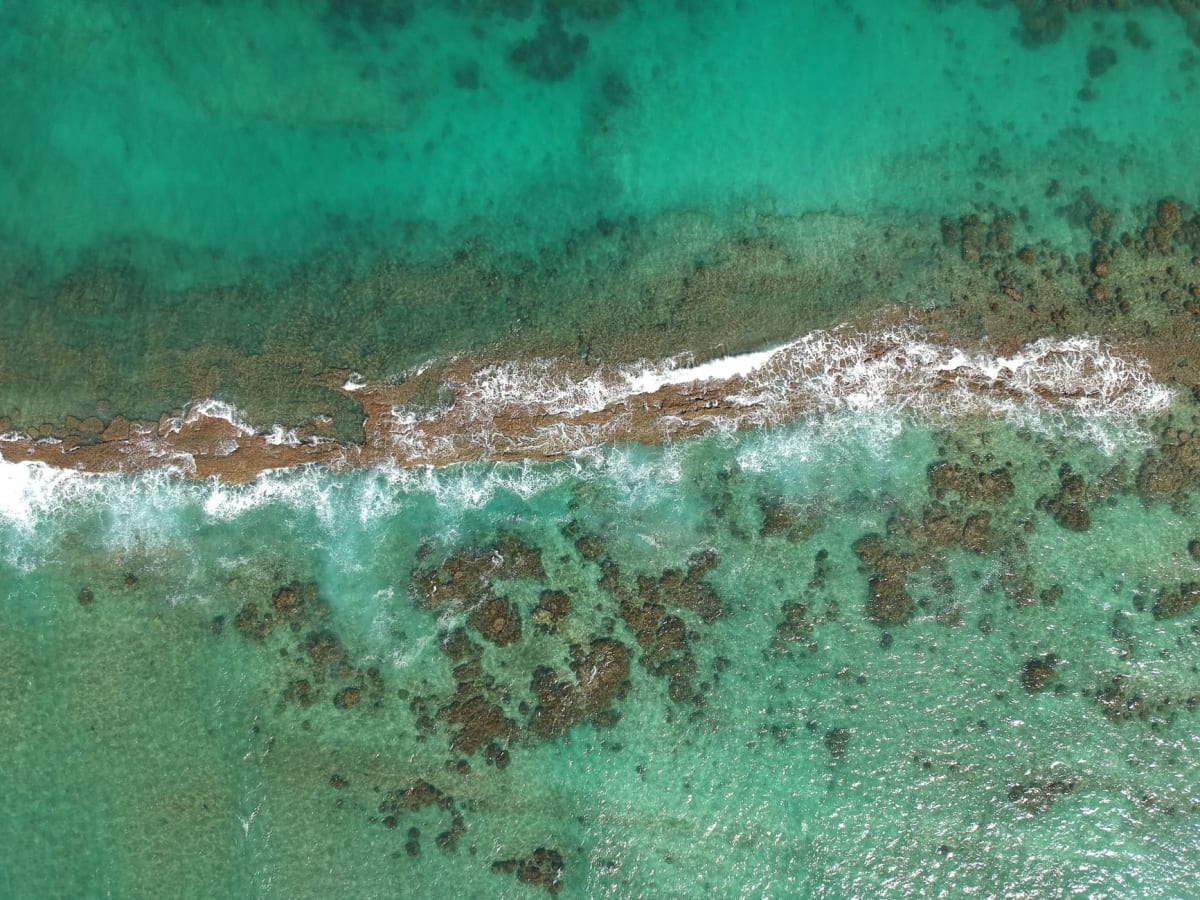
Punta Colonet is a legitimate left-hand point that wraps a rocky headland 40 minutes south of K-71. The wave is sharper, more technical, and considerably less forgiving than the other two. It requires a southwest swell at exactly 5–7 feet and clean morning conditions to work. When it works—and the Epic Trips forecast indicates this happens for roughly 4–5 specific mornings each month in summer—Punta Colonet produces the kind of spit-out barrels and hollow tube sections that separate good Baja trips from transcendent ones. Advanced surfers, understanding of crowd culture, physical fitness required. The access involves hiking. The reward is waves that exist in photographs, not in reality, on most days of the year.
Where to Stay: Accommodation Built for Surfers, Not Tourists
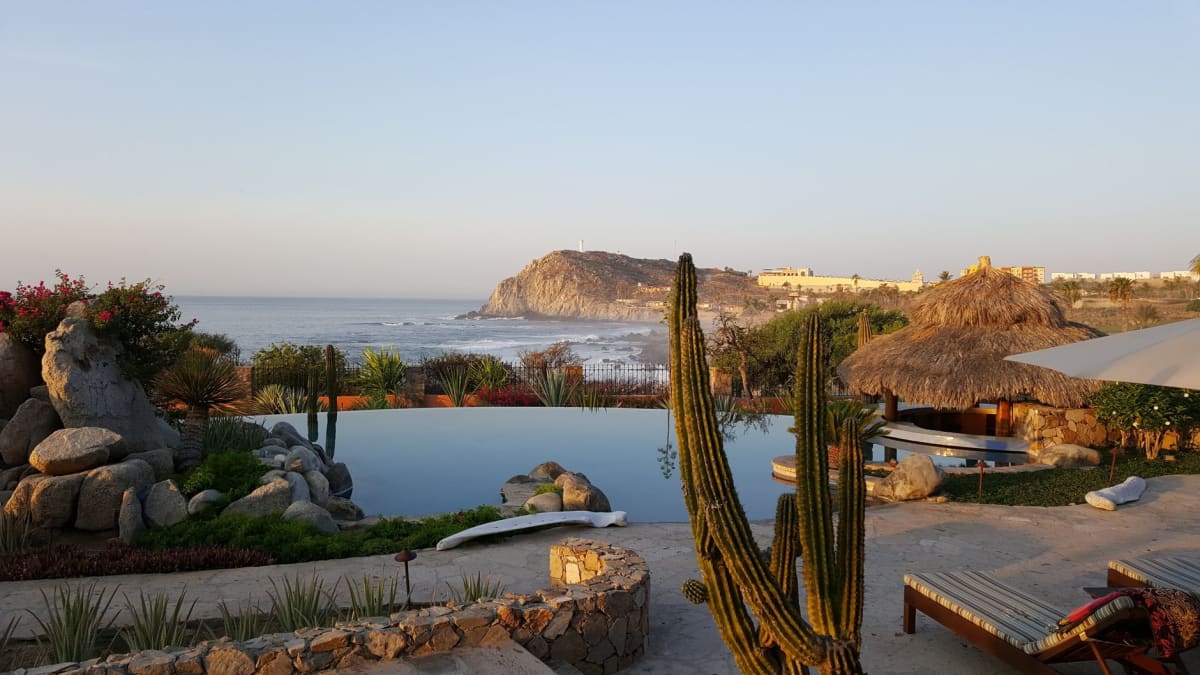
Baja Seasons Resort sits 15 minutes from K-71 and 30 minutes from El Sauzal, positioned exactly where it needs to be for the July-August swell window strategy. The property is purpose-built for active travelers—each room has a covered outdoor rinse station, secure surfboard storage, and direct access to a kitchen facility if you want to prepare early-morning meals before 4:30 a.m. waves. The on-site restaurant operates a 5 a.m. coffee service specifically timed for pre-dawn surfers. Rooms run $90–130 per night depending on occupancy, which is genuinely reasonable for a property that understands the rhythms of swell windows and travel timing. The owners are experienced surfers themselves, not hospitality industry professionals playing the coastal resort game. This matters. They'll have beta on swell timing, sandbar conditions, and specific morning windows that no generic travel site captures.
Alternative accommodation: If you want lower cost and more independence, the town of San Quintin (30 minutes from K-71, 45 minutes from El Sauzal) has several small guesthouses run by long-term expat surfers who rent rooms by the week or month. These properties are not designed for walk-in tourists and don't advertise widely. You find them through local recommendation or direct communication with the Baja California tourism board. Expect $50–75 per night, shared kitchen facilities, and neighbors who are also serious about their swell forecasts.
What to Pack: The Actual Gear Strategy for July–August Baja
Summer in Baja California is warm water—62–68°F depending on exact location and depth. The logic here differs from winter packing. You're not managing for cold shock; you're managing for sun exposure, reef protection, and travel weight.
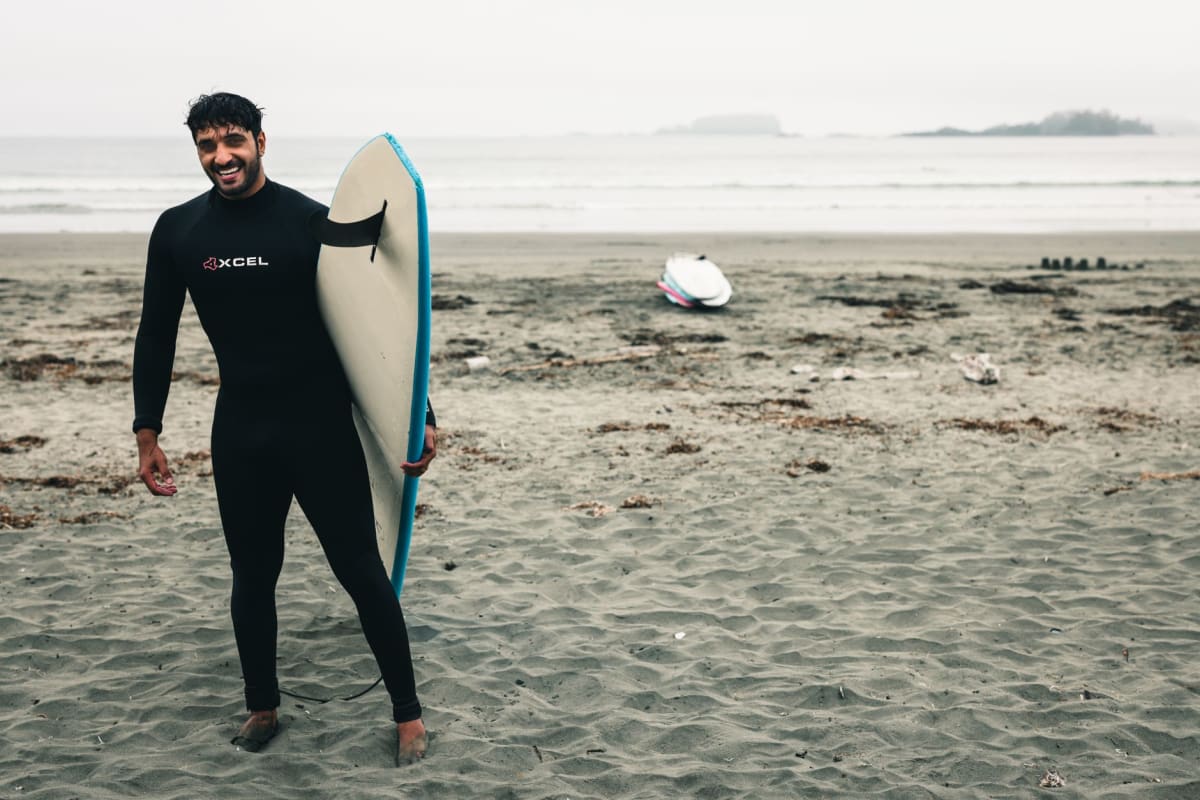
A 2–3mm spring suit (or an XCEL Infiniti model designed for warmer water) gives you the thermal protection you need without the bulk that creates fatigue in longer sessions. July-August Baja sessions run 2–4 hours because the swell window is often predictable and exhausts itself by mid-morning when the wind turns onshore. You want mobility over thermal mass. Spring suits are packable, dry quickly, and won't require dedicated luggage space.
Board selection matters specifically. Bring a 5'10" to 6'2" performance shortboard designed for fun waves, not a big-wave gun. The summer swells max out at 6–7 feet; anything longer is dead weight. You want something with moderate rocker, a pulled-in tail, and enough volume to drive through the slower summer walls. A single-fin or thruster setup beats quads for pointbreak speed. If you're flying in and don't want to travel with a board, arrange a rental in advance—several San Quintin outfitters keep quality boards on hand for exactly this scenario.
Reef bootees are non-negotiable. Punta Colonet and El Sauzal have sharp, urchin-covered reef. Cut feet mean infection risk, pain, and trip-ending damage. Pack booties with stiff soles designed for rock, not sandy beach booties.
Bring high-SPF sunscreen (70+) and reapply obsessively. The combination of early morning starts (no cloud cover) and reflection off light-colored sand makes UV exposure more intense than you expect. Sunburn isn't just discomfort—it degrades your performance and ruins your ability to repeat the schedule the next day.
Pro Tips: The Swell Window Calendar for July–August 2026
Understand the swell forecast cadence, not just the numbers. A 4-foot swell arriving from the southwest doesn't mean four days of 4-foot waves. It means day one is usually softer (swell ramping), days two and three are peak (your window), and day four degrades (swell backing off, wind turning). You want to position yourself for the 36-hour peak, not the entire swell cycle. July 2026 should produce at least three distinct SW swell cycles; August typically generates two strong windows with possible secondary fills. Check forecasts on a 4-day rolling basis, not a 10-day basis—precision forecasting for Baja's specific breaks only becomes reliable 72 hours out.
Local intel moves faster than online forecasts. The moment you arrive, identify the local surfer population at your accommodation or in town. They watch real-time buoy data and have been reading Kilometer 71's sand configuration for years. A two-minute conversation with a local is worth more than 48 hours of forum reading. This is especially true for the subtle timing of swell windows—they can tell you whether the wave is building or peaked in real time, which forecast websites can't.
Sandbar shifts are real and constant. El Sauzal and K-71 are sand-based or sand-influenced breaks. Storm swell from June will have reshaped them by July. The specific configuration you surfed last August is gone. This means the first two sessions at a break are reconnaissance—you're reading the current shape, not expecting the wave to match guidebook descriptions. Be patient through day one and two; the good stuff often comes on day three once you've locked in where the barrel section actually is this season.
Wind direction precision matters more in summer than winter. A 10-knot northeast wind will destroy K-71. A 10-knot northwest wind will keep it clean. A 12-knot southwest wind can actually improve some line-ups by adding shape to the wall. Online forecasts often show "light wind" without specifying direction. Find a detailed coastal forecast (buoy-specific, not regional) that breaks down hourly direction and speed. The difference between a perfect morning and a marginal one is often the direction of wind at 6:15 a.m.
Getting There: The Travel Logistics
Most direct route: Fly into Tijuana (TIJ) via LAX or SFO with a domestic or regional carrier. Tijuana is 2.5 hours from Ensenada, and Ensenada is 90 minutes from El Sauzal. San Diego (SAN) is closer to Tijuana and often has cheaper flights; budget 30 additional minutes for border crossing delays. Rent a car—you need independent mobility to position yourself for swell windows. The highway from Ensenada south is well-maintained; driving to K-71 or El Sauzal is straightforward.
Alternatively, fly into Baja California Sur's Los Cabos airport (SJD) if you're coming from the east. It's farther south but avoids the Tijuana border complexity. Flights from major US hubs are often cheaper in July-August when peak Cabo tourist season is past.
Border crossing: Have a passport, not a passport card. Processing is faster. If driving your own vehicle, get Mexican auto insurance—it's mandatory and inexpensive. You'll need it for rental cars too.
Travel timing: Plan for a 7–10 day trip to capture one complete swell window plus setup and travel buffer. Anything shorter than 7 days is gambling with timing.
Check the Forecast and Commit
The summer season in Baja is real. It's not as famous as winter because it requires reading, patience, and early mornings. But for surfers willing to understand swell mechanics instead of following tourism calendars, July and August 2026 offer something winter crowds never can: genuine emptiness paired with genuine waves, in the exact moment they'll both show up together.
Plan Your Trip to Baja California, Mexico
Check conditions and plan your surfing trip to Baja California, Mexico on Epic Trips