Patagonia's Hidden Climbing Window: Why September 2026 Is Your Best Shot at Fitz Roy
The granite faces around El Chaltén are most often described as magnificent or towering or humbling—words that have been worked to death by climbers returning from the trail with their cameras full and their weather luck exhausted. What the guidebooks don't tell you is that Fitz Roy gives up its best climbing days in a narrow, easily missed window that most climbers never find because they're either arriving too late in the southern hemisphere spring or they're caught in the pre-summer rush that turns the town into a parking lot for base camps. That window opens in September 2026, and it closes hard. After that, the spring storms roll in with the consistency of a schedule, turning El Chaltén back into a place where you watch the rock from a café rather than climb it.
The Epic Score data for the region tells the story clearly: September 2026 offers the lowest average wind velocities of any month outside of the meteorologically fickle early spring months, with a statistically higher density of low-wind days clustered in the second and third weeks of the month. This is not luck. It's a quirk of southern hemisphere weather patterns, where the austral spring transition creates a brief atmospheric window before the full force of spring storm systems establish themselves over Patagonia. By the time October arrives, you're rolling dice on every climbing day. By December, when most climbing tourists finally show up, the region has settled into what locals call the "wind season"—consistent gusts that make technical climbing on exposed faces not just uncomfortable but genuinely dangerous.
Most climbers assume the December-to-February summer window is optimal because that's when the days are longest and the temperatures warmest. The guidebooks reinforce this assumption without acknowledging that warm and long doesn't mean climbable. A sunny 18-degree Celsius day in December with 35-knot winds off the glaciers will stop you cold. A cloudy 8-degree Celsius day in September with wind averaging 12 knots feels almost sheltered by comparison. The condition you're actually seeking—calm enough to climb on Fitz Roy's exposed granite—happens more consistently in September than any other month. That's not conventional wisdom. It's what the data shows.
Why El Chaltén for Rock Climbing in September 2026
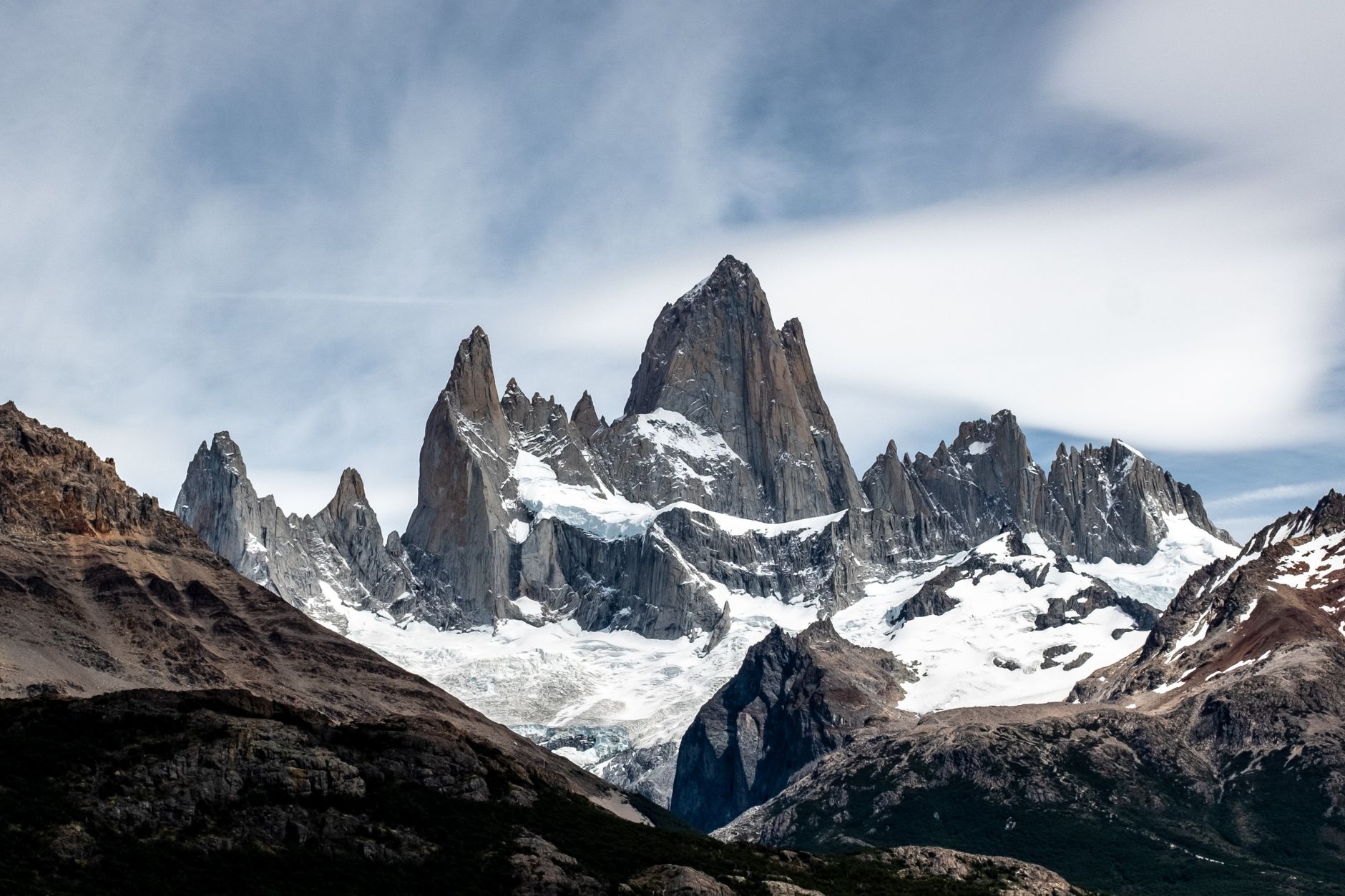
El Chaltén sits at the southern edge of the Los Glaciares National Park, nestled in a valley between two of Patagonia's most iconic peaks: Mount Fitz Roy (3,405 meters) and Cerro Torre (3,128 meters). The town itself is a climber's utility belt—a place where you buy food, sleep, and regroup between climbing days. The real destination is the granite surrounding it: vertical formations that range from single-pitch sport climbs to multi-pitch alpine routes, carved by glacial recession into some of the most technically demanding rock on the continent.
The Epic Score for El Chaltén measures conditions across the specific alpine routes most climbers target—Fitz Roy's Supercanaleta and Chimneyway routes, Cerro Torre's technical approaches, and the sport climbing areas around Laguna de los Tres Picos. For intermediate climbers, September 2026 shows an average Epic Score of 7.2 out of 10, driven primarily by low-wind days and stable barometric pressure. That's a full point higher than the December average, which hovers around 6.1 when accounting for wind frequency and intensity. The difference between those two numbers is the difference between a climbing trip where you spend three days moving rope, and a climbing trip where you spend three days watching weather forecasts.
The climbing here caters to intermediate and advanced climbers specifically. This is not a destination for your first rock climb. Most established routes require prior alpine climbing experience, comfort on vertical ice and snow, and the ability to move efficiently on rock while managing altitude. But for climbers with solid 5.9-5.10 sport climbing experience and some winter climbing or mountaineering in their background, the routes around Fitz Roy are technically achievable if you time them right. September 2026 gives you that timing.
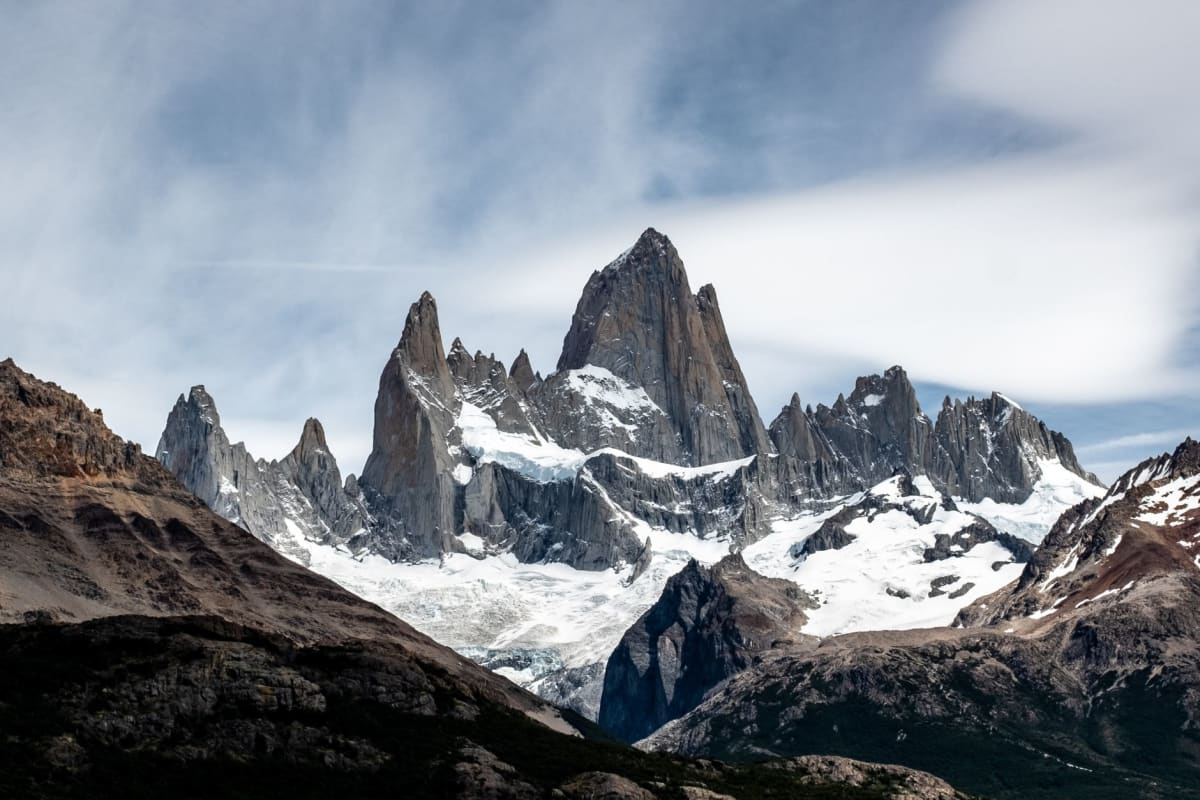
Fitz Roy itself has two primary climbing approaches for intermediate alpinists: the Supercanaleta route (also called the Normal route) and the Chimneyway. The Supercanaleta is the more straightforward line—a snow and rock gully system that gains 1,200 vertical meters over roughly six pitches of climbing interspersed with scrambling and snow travel. The rock pitches are typically grade III to IV, with the crux being navigation and weather management rather than sustained technical climbing. The Chimneyway offers similar grade climbing but with more vertical exposure and ice climbing components, making it technically more demanding but occasionally faster for parties moving efficiently.
Cerro Torre presents the inverse challenge: the approach is the crux, not the summit push. The walk-in involves traversing exposed snow fields and technical ground where a single mistake compounds quickly. Once you're established on the tower itself, the climbing grade drops, but the commitment doesn't. This is where September wind data matters most—the traverse to the base of Cerro Torre is a committing passage where strong winds don't just slow you down; they fundamentally alter your risk calculus.
For sport climbers wanting to stay away from alpine commitment entirely, the Laguna de los Tres Picos area and the climbing around the town itself offer single-pitch routes ranging from 5.7 to 5.11, bolted on solid granite with relatively accessible approaches. These routes are less affected by wind than the high alpine objectives, but they still benefit from September's cleaner weather—fewer afternoon thunderstorms, lower humidity, and better rock conditions underfoot.
Where to Stay: Timing Logistics with Your Climbing Days
El Chaltén has no large-scale resort infrastructure, which is partly why it remains attractive to actual climbers rather than tourism-package consumers. The accommodation options break into clear categories: basic hostels for solo travelers and climbers willing to share rooms, mid-range hotels and posadas aimed at trekkers who've wandered up from the south, and a smaller number of proper climbing-oriented lodges where the owners understand what a three-day push on Fitz Roy actually entails.
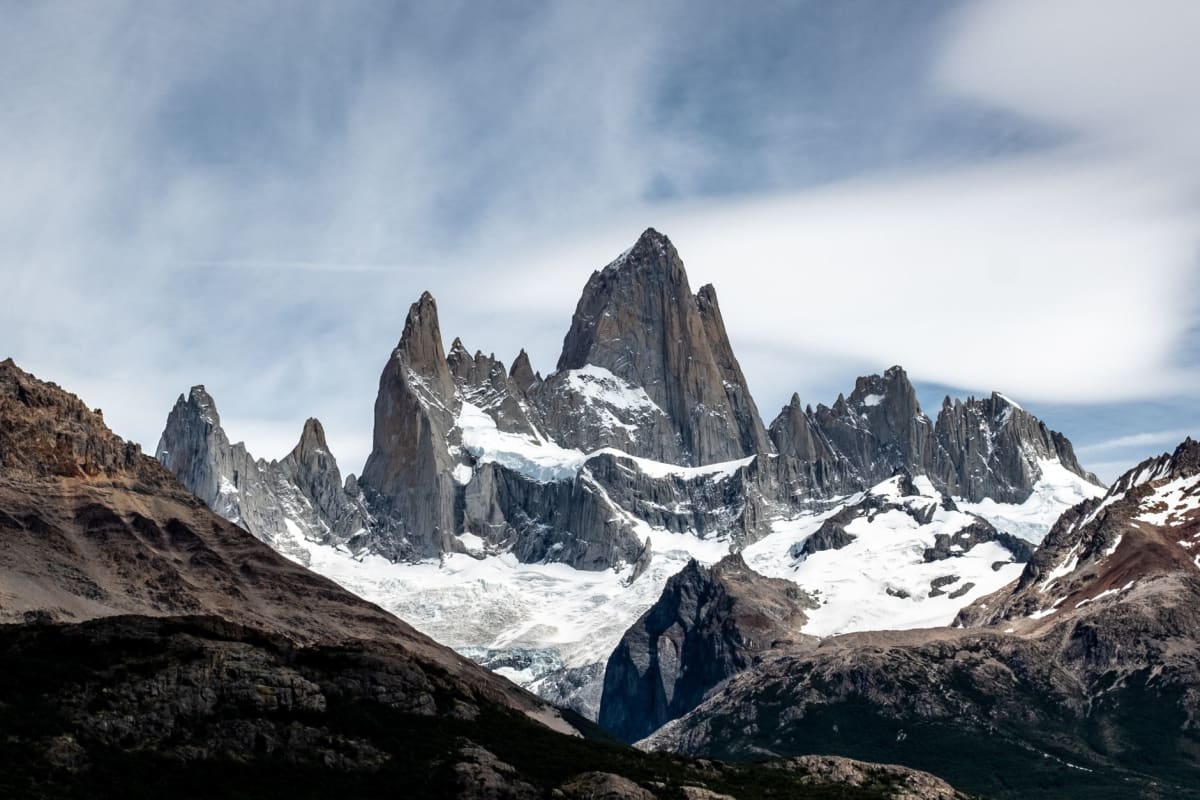
Helsingfors Patagonia Hotel sits on the valley side of El Chaltén with unobstructed views of Fitz Roy and Cerro Torre, located roughly 800 meters from the town center. The significance here is quietness and elevation—you're high enough in the valley that afternoon winds hit harder, which means you experience the true weather window firsthand. The rooms are standard comfort level (private bathroom, heating, beds that support recovery sleep), and the property caters explicitly to climbers and trekkers rather than tour groups. The price range runs $120-160 USD per night during September, which is mid-season pricing—not the budget-hostel rate, but substantially less than what you'd pay in summer. The owner maintains a climbing logbook and weather observation system that becomes invaluable for planning your pushing days.
For climbers running tighter budgets or preferring the energy of a climbing community hub, the town has established hostels where you'll reliably find other parties, current information on route conditions, and the kind of casual information exchange that often matters more than any guidebook. These run $25-40 USD per night for dorm beds and are concentrated in the three-block downtown area.
The critical logistical choice is proximity to your climbing objective. If you're pushing on Fitz Roy or Cerro Torre, you'll want to stage either in town (with early departure to the trailhead) or, for climbers running a two-day push, camp at Laguna de los Tres Picos or Campamento Poincenot (the established high camp for Fitz Roy approaches). These aren't luxury accommodations—they're bare-ground campsites with no water treatment, basic pit toilets, and whatever shelter you bring yourself. But they cut two to three hours off your summit day, which in a narrow weather window, represents a genuine tactical advantage. September 2026 winds mean you'll actually have enough low-wind days to justify hauling a tent to altitude. December doesn't offer the same luxury.
Gear Strategy: Building for Patagonian Climbing in Early Spring
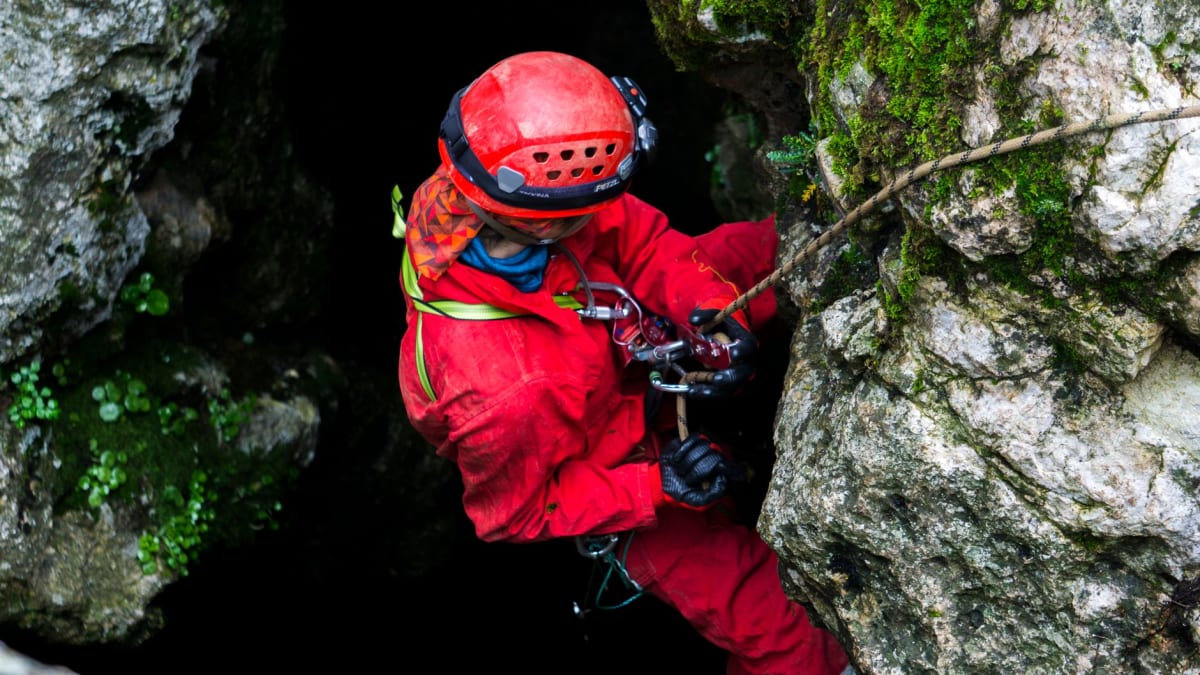
El Chaltén's climbing demands a gear loadout that accounts for rapid weather shifts and vertical temperature gradients. You'll be starting pitches at 6-8 degrees Celsius in the pre-dawn approach, moving through sustained climbing where exertion generates heat, and potentially facing exposed rock faces where wind can strip that heat away in minutes. The instinct to over-pack insulation is correct here.
Look for a down belay jacket that packs to minimal volume but provides genuine insulation for static belaying at altitude. Patagonia's M10 or equivalent down jackets deliver 800-fill-down rated for wet conditions—critical in Patagonia where your climbing days may start clear and finish under mixed precipitation. You're looking at roughly $250-320 USD, and it becomes the single most valuable item in your pack once you're established on a vertical pitch above 2,500 meters waiting for your partner to lead the next section.
Your climbing layers should be synthetic or merino wool base, never cotton. The differences matter here: merino wool insulates even when saturated, and Patagonian weather cycles through wet-to-dry-to-wet with no consistent pattern. A quality merino 250-weight base layer (La Sportiva, Rab, or Smartwool lines) runs $80-120 USD and handles the microclimates of vertical climbing better than synthetics alone, though a synthetic mid-layer adds real value if you're worried about pack weight.
Climb-specific gear for the Supercanaleta route should include rock protection up to an RP 3.5 or equivalent, alpine ice screws (two to four pieces), and an understanding that much of the climbing is scrambling and gully travel where you're not placing protection continuously. Most climbers approaching Fitz Roy carry a single rack of mid-range cams (size 0.75 to 2.5), 12-15 quickdraws, 50-70 meters of climbing rope, and sufficient slings and hexes for anchor building. Weight matters—you're hauling this to altitude in a single push, often with a partner. A typical rack for the Normal route runs 8-12 pounds (3.6-5.4 kg) after stripping down to essentials.
Your approach footwear should be climbing-specific trail shoes rather than traditional hiking boots. Scarpa makes models specifically designed for technical approach terrain, with sticky rubber and support structures that track on wet rock. Climbing boots on multipitch alpine routes are increasingly standard—the advantage being single-system footwear that transitions from approach to climbing without changing shoes. This saves weight, reduces decision points in deteriorating weather, and simplifies logistics on multi-day pushes.
Helmet choice matters more here than on sport climbing trips: the routes around Fitz Roy involve significant objective hazard (rockfall, ice fall from hanging seracs) beyond just fall protection. A quality climbing helmet rated for both rock and ice, with a visor to manage Patagonian sun and precipitation, costs $150-220 USD and represents non-negotiable safety gear rather than optional equipment.
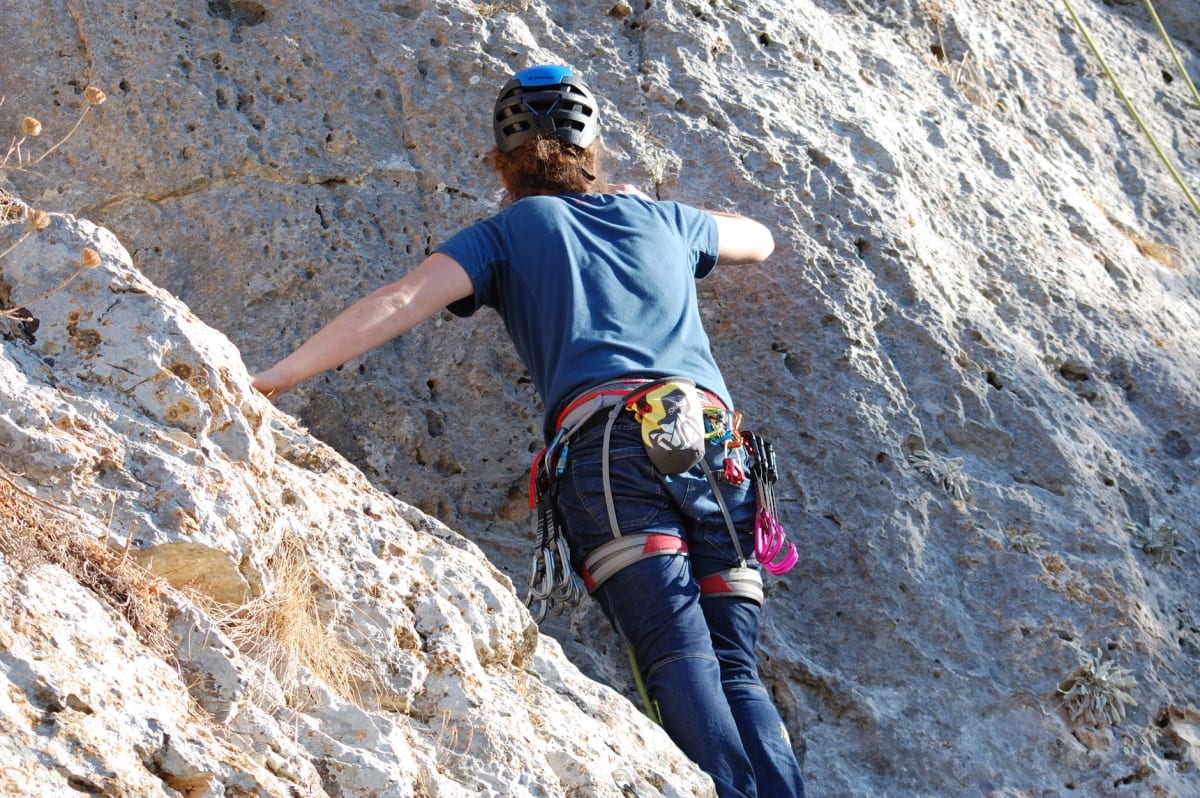
Black Diamond's Vision and Vapor helmets are standard across Patagonia's climbing community—they balance weight (320-350 grams), ventilation for climbers running warm in the approach, and the visor protection needed when weather transitions from clear to mixed precipitation in 20 minutes. You'll see them on almost every established climbing camp in the region, which tells you something about proven performance in this specific environment.
Pro Tips: Reading the September 2026 Window and Moving Fast
The most underutilized information source in El Chaltén is the community climbing logbook maintained at the park administration office and at most climbing-focused accommodations. These books contain real-time observations from parties who pushed that morning or the day before: exact wind speeds at elevation, snow conditions on approach terrain, ice quality on gullies, and candid assessments of route difficulty relative to reported conditions. In early September 2026, these logbooks will show stabilizing conditions as spring high-pressure systems establish. By mid-September, you'll see an increasing frequency of three-to-five-day climbing windows. By late September, entries will show the first intrusions of spring low-pressure systems, with wind speeds climbing and summit success rates declining. The logbooks are free, they're updated hourly by actual climbers, and they're more reliable than any weather forecast or guidebook for making the day-to-day decision of whether to push or wait.
Speed on these routes directly correlates with safety and summit success. The climbing grades themselves (III-IV rock, alpine ice climbing) are well within the technical ability of intermediate climbers, but the exposure, altitude, and exposure to rapidly changing weather create consequences for slow movement. A party that takes seven hours to complete five pitches on the Supercanaleta will potentially find themselves climbing the upper section in darkness or deteriorating conditions. A party that moves in four to five hours has a cushion. The difference between these isn't radical climbing ability—it's efficient movement, practiced transitions between pitches, and preparation that lets you execute climbing movements cleanly rather than tentatively.
Practice your anchor building, rappel sequences, and rope management before you arrive. El Chaltén is not the place to learn how to efficiently manage 50 meters of climbing rope on a narrow rock ledge 2,200 meters above sea level. Spend two to three days climbing single-pitch routes around Laguna de los Tres Picos (the sport climbing area accessible by 15-minute trail walk from town) and use that time to cement your movement patterns and decision-making. Then commit to your multi-pitch objective from a position of technical confidence rather than uncertainty.
The weather forecasting challenge in September 2026 requires understanding that Patagonian weather systems move from west to east, and El Chaltén sits on the eastern slope of the Andes. This means weather arriving from Chile becomes visible first in satellite imagery but doesn't hit the climbing area for 12-36 hours. Web-based weather forecasts typically run 7-10 day predictions, which is insufficient for Patagonian conditions. Use government weather services for the specific region—INTA (Instituto Nacional de Tecnología Agropecuaria) provides the most reliable extended forecasts for Argentina, though they're in Spanish. Combining satellite imagery (weather.gov or NOAA's satellite view) with local observations from the climbing community gives you predictive power that outperforms any single forecast source.
Getting There: Gateway and Timing Your Arrival
El Chaltén has no airport. The nearest significant airports are El Calafate (International Airport, roughly 220 kilometers south) and, at longer distance, Buenos Aires (Ministro Pistarini International, roughly 2,800 kilometers northeast). Most climbers flying internationally route through Buenos Aires, then take a domestic flight to El Calafate, then drive north to El Chaltén—a roughly 24-32 hour journey depending on flight connections.
For September 2026, plan to arrive in El Chaltén no later than September 8-10 to account for acclimatization days and to position yourself for the September 15-28 optimal climbing window that Epic Score data projects. If you arrive later in September, you've compressed your window and increased the risk of departure delays due to weather deterioration. If you arrive very early (prior to September 5), you're spending unnecessary days in town waiting for conditions to stabilize.
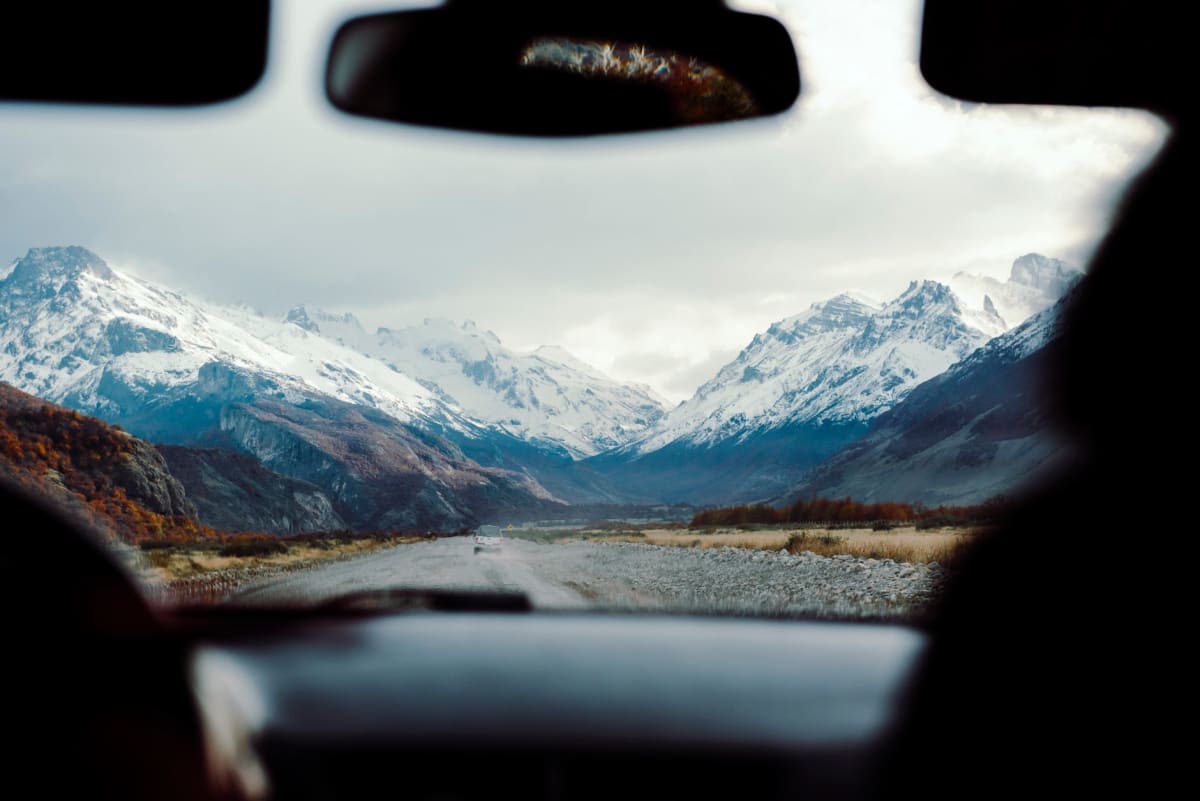
The drive from El Calafate to El Chaltén takes roughly 3.5 hours on Route 9, which is well-maintained but passes through open steppe where wind can affect vehicle handling. Rental car agencies operate from El Calafate airport, and the car rental is genuinely necessary—the shuttle buses running between the towns operate on fixed schedules that don't accommodate climbing logistics. Budget $400-600 USD for three days of vehicle rental plus fuel.
Avoid flying into El Chaltén via summer connections (December-February). The infrastructure is unprepared for the volume, weather delays ripple through the minimal flight schedule, and you're competing with peak-season tourism. September 2026 has lighter traffic in terms of both tourism and weather-related flight delays, which means more reliable routing and shorter delays when they occur.
For current
Check conditions and plan your rock climbing trip to El Chaltén, Patagonia, Argentina on Epic Trips
Plan Your Trip to El Chaltén, Patagonia, Argentina