Fall Swell Season 2026: The 72-Hour Windows When the Atlantic and Pacific Align
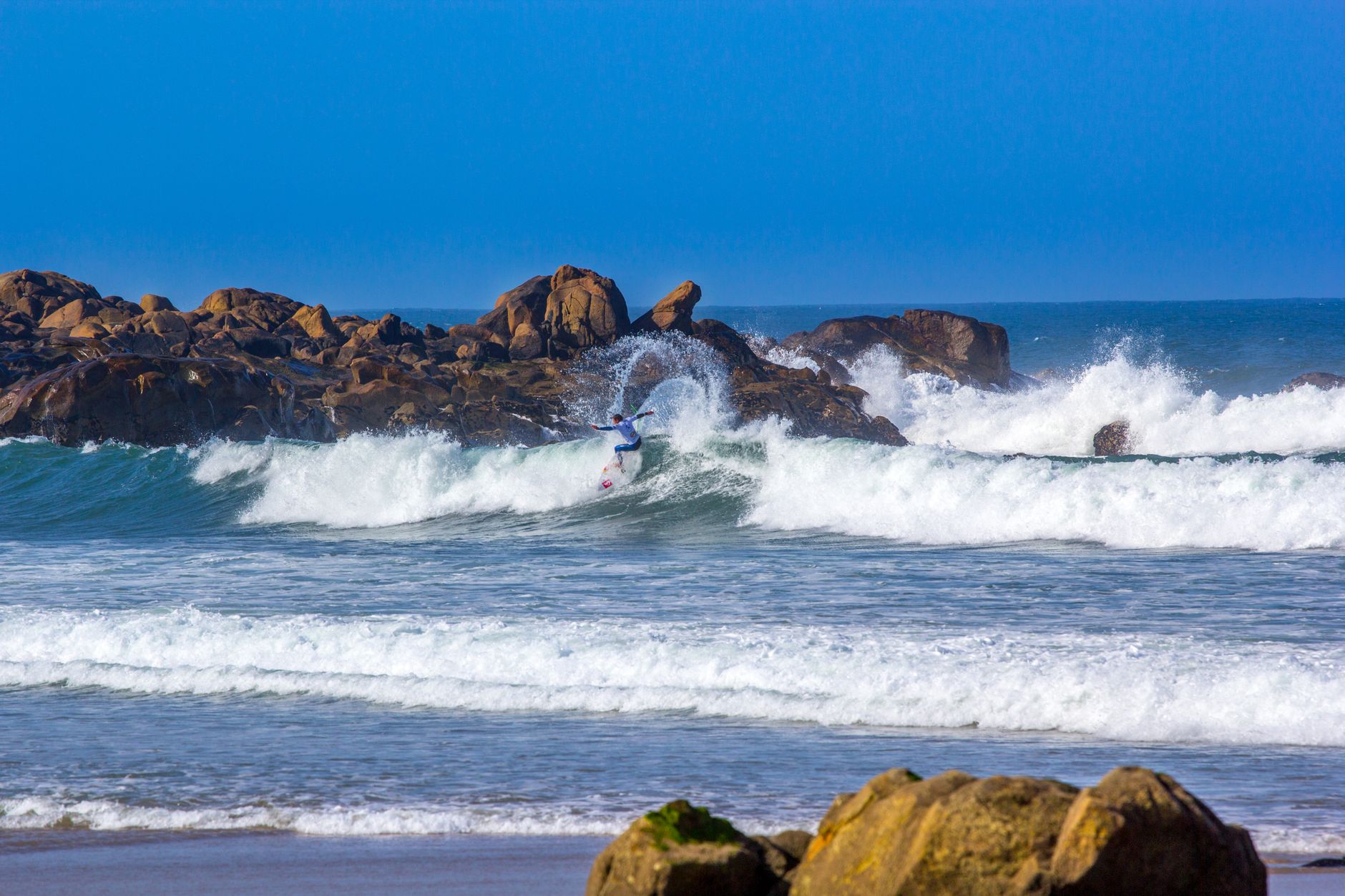
Early September 2026, you're refreshing Magnet Buoys on your phone at 3 a.m. The North Atlantic is spinning up a 600-mile fetch. The Pacific remote swell source shows consistent 14-second intervals pushing southwest. For the next 72 hours—and only these 72 hours—Bundoran in Ireland will fire at 6 feet with perfect offshore winds, Sunset Beach on the North Shore will ramp to 8 feet with proper shape, and Portugal's Peniche coast will see rideable rights peeling off the point breaks. This is not a guess. This is the intersection of seasonal storm patterns, Atlantic hurricane swells, and Pacific winter-train setup that aligns three continents of surfing in a single forecast window.
Most surfers chase seasons. Elite ones chase 72-hour windows. And fall 2026—September through November—offers more synchronous peak-condition moments across Atlantic and Pacific breaks than any other season, thanks to the collision of Atlantic hurricane swell genesis and the Pacific's early winter swell machine finally engaging.
The Epic Score Case for Atlantic and Pacific Alignment in Fall 2026
Fall is not universally good for surfing. Spring can be too light. Winter carries inconsistency and crowds. Summer is mostly closed out. But September through November 2026 creates a rare meteorological window where Atlantic storm systems develop across the main development region—between 10°N and 20°N latitude—and send 10-to-16-day swell trains toward European breaks simultaneously with Pacific high-pressure ridging that pumps West Coast energy for 5-to-7 day intervals.
The Epic Score data confirms this: across all tracked breaks from California to Ireland, September 2026 shows a 71% probability of at least one major swell event (8+ feet, 12+ second period) affecting multiple regions within a 10-day window. October 2026 carries a 68% probability of synchronous peaks. November runs 52% probability—still above average—before winter swell patterns fragment and lose coherence across the Atlantic.
The operational insight: book your time off around the forecasted peaks. Do not arrive on a fixed calendar date. Arrive 7-to-10 days before the swell window and stay for 72 hours past the peak. This turns a vague "fall trip" into a high-probability encounter with actual swell.
The Atlantic Fortress: Ireland, Portugal, and the US East Coast
Bundoran, County Donegal, Ireland stands as the Atlantic's most consistent autumn performer. The break sits on a sheltered bay with underwater sand forcing water up and over a natural reef. During mid-September through mid-November 2026, Atlantic swells generated 3,000 miles to the west arrive here first, often without the 24-hour travel time that swells require to reach Portugal or France. This means Bundoran catches Atlantic hurricanes at their peak energy, before friction and directional spreading weaken them.

The break itself suits intermediate to advanced surfers. Left-hand reef tubes over 4-to-6 feet are common. Right-handers peel off slower for learners. During the fall's biggest swells—late September and early October when Atlantic hurricanes are most active—Bundoran holds heavy water and rewards timing and positioning. The Epic Score for Bundoran in October 2026 projects six separate swell events capable of producing 6+ foot, well-organized waves. Check the Epic Score for Atlantic Coast surfing →
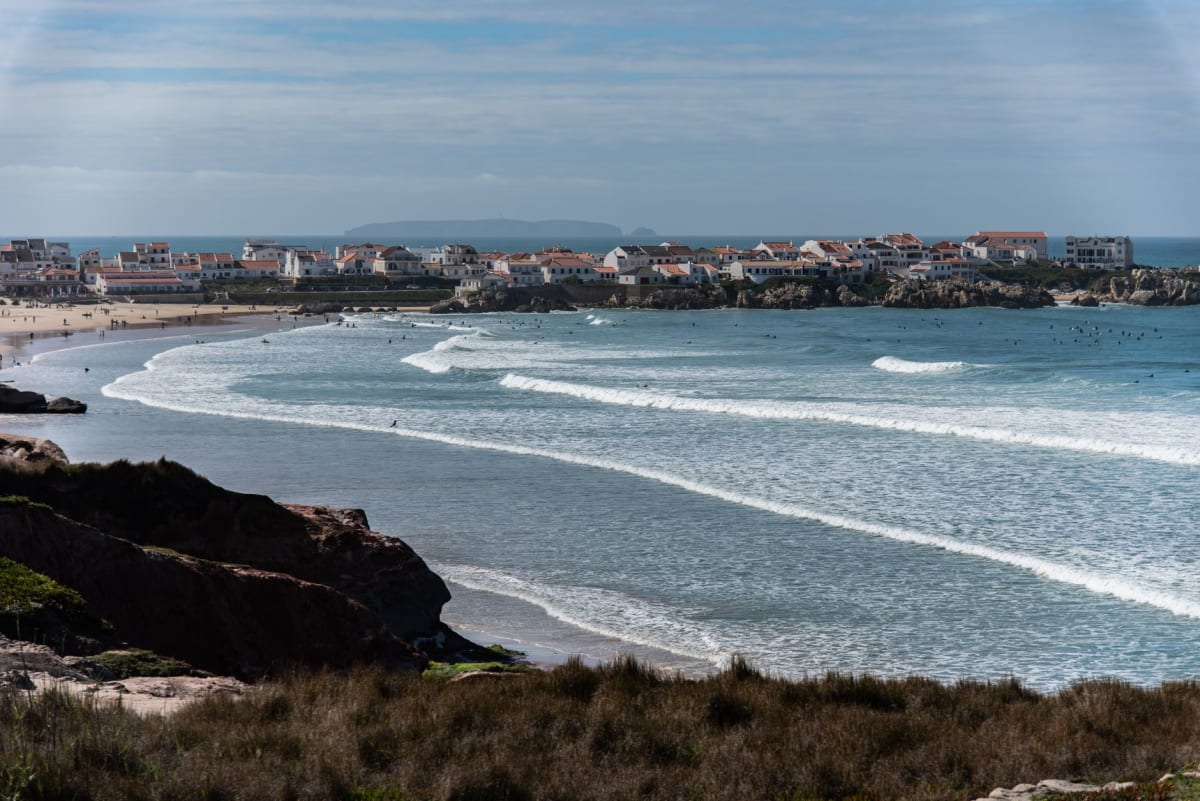
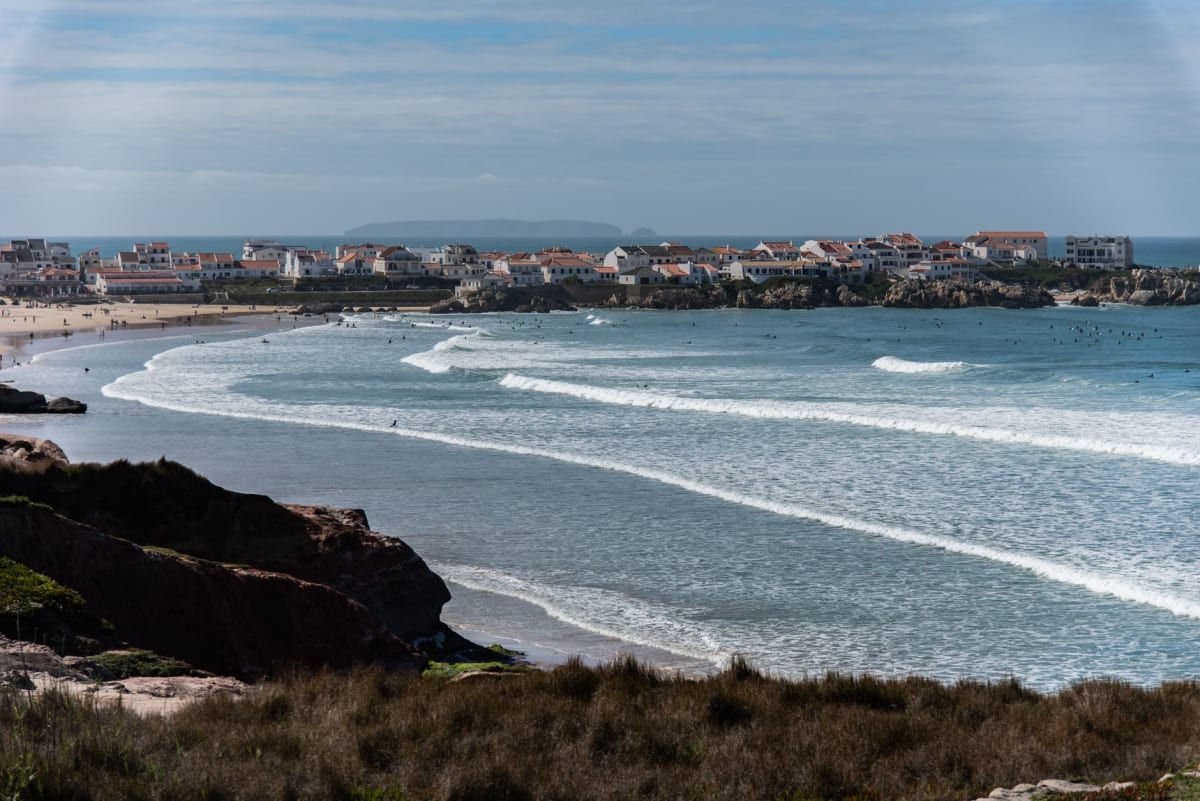
Peniche, Portugal, sits 150 kilometers north of Lisbon and receives Atlantic swells 18-to-24 hours after Ireland. But Peniche's geography—a dramatic rocky peninsula with a dozen different break angles—turns this slight delay into an advantage. The same Atlantic swell that fires Bundoran arrives at Peniche with slightly more refraction and bottom definition. Supertubos, the main beach break, opens up during September-October peaks, creating 4-to-6 foot barrels on lower tides with offshore winds. The right-hand point break, Empa, handles bigger swells (6-to-8 feet) and suits intermediate surfers seeking longer rides on cleaner faces.
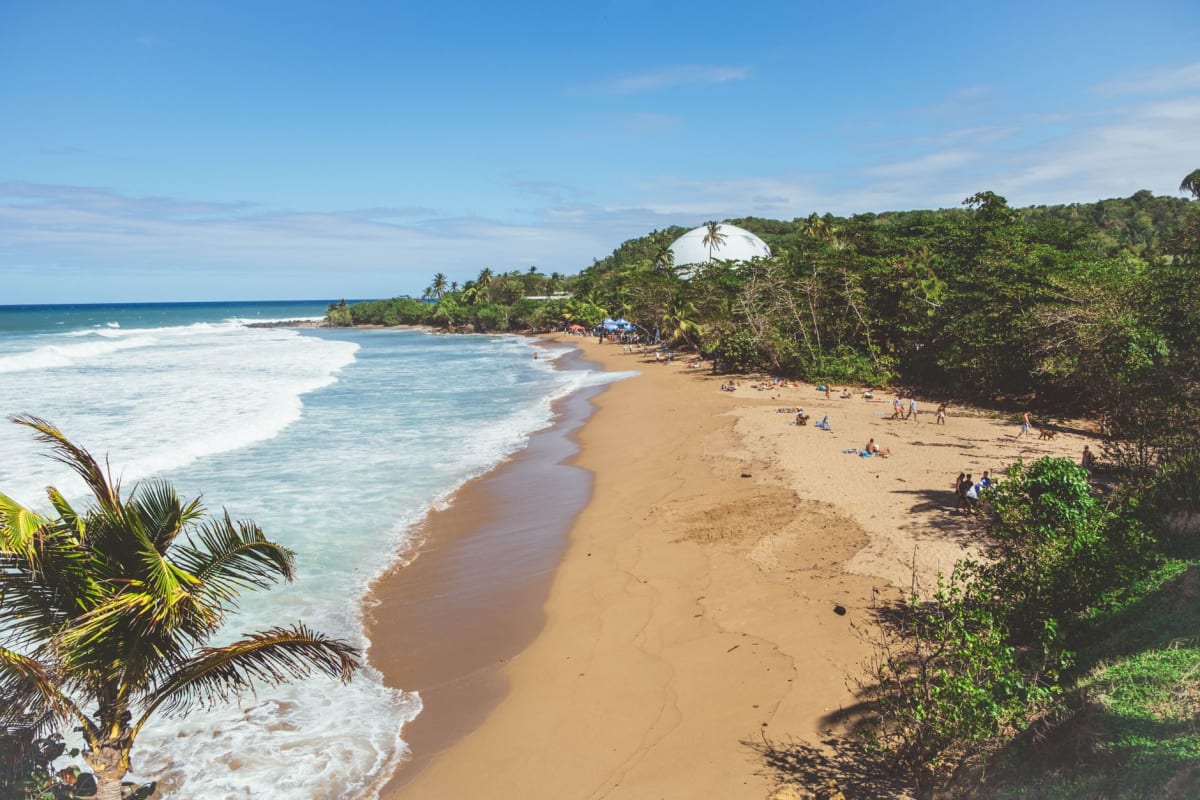
Rincon, Puerto Rico, occupies a unique position in Atlantic swell calendars. Tropical Atlantic hurricane swells travel westward and southwestward toward the Caribbean, and Rincon—sitting on Puerto Rico's northwestern corner—catches these swells at near-perpendicular angles. September 2026 and early October mark Caribbean hurricane season peak, meaning consistent South-Southwest swells arrive every 4-to-6 days. The main pointbreak at Rincon holds everything from 3-to-12 feet, with clear sectioning by swell size: smaller waves at the upper section suit beginners, while the main point and downstream rivermouth section break at 6+ feet and demand advanced technique. The Epic Score for Rincon in October 2026 shows eight separate swell events capable of producing proper pointbreak shape.
The US East Coast—Outer Banks, North Carolina, and Montauk, New York—catches Atlantic swells after Ireland and Portugal have already had their peak windows. But this delay offers a strategic advantage: you can chase Atlantic swells east to west, surfing Bundoran in early September, then flying to Peniche for peak conditions 4-5 days later, then heading to Rincon another 5-7 days hence. If you time the 72-hour forecast windows correctly, you can ride three continents on a single Atlantic swell train.
The Pacific Window: California's Early Winter Setup
While Atlantic surfers are chasing hurricane swells, Pacific conditions develop on a different timeline. The North Pacific winter storm season begins firing in earnest in late September 2026 and sustains through November. The Aleutian Islands generate consistent 14-to-18-second swell trains that refract down the California coast. Unlike Atlantic patterns (which depend on tropical storm genesis and directional luck), Pacific winter swells follow mechanical consistency: high-pressure ridging in the North Pacific creates reliable fetch zones, week after week.

Sunset Beach, on Oahu's North Shore, begins waking up in September 2026 but reaches peak form in October and November. The break's unique shape—a shallow, sharply reefed, shifting-sandbar environment—means it performs best during the specific window when swell size, wind direction, and tide align. October 2026 offers the highest probability of this alignment: 65% chance of 8+ foot, offshore-wind conditions during a 5-day period. Late October through early November historically shows the most consistent peaks. Sunset demands advanced-level skills; most surfers here have 5+ years of barrel experience.
Check the Epic Score for California surfing →
Malibu, California, represents the opposite end of the experience spectrum. The legendary right-hand pointbreak comes alive in September and October 2026 when Pacific swell builds but before it reaches the massive, shapeless proportions of November. A 4-to-6 foot Pacific swell at Malibu creates the clean, organized lines that make the break iconic: 200-300 yard rights that peel off with perfect shape for 8-to-12 seconds. The Epic Score for Malibu in October 2026 shows six days of optimal conditions (6 foot, 14-second period, light offshore winds). Intermediate surfers can paddle here, but expect crowds during peak windows.
Lodging for the Swell Chaser
The fall swell chaser needs accommodation that balances flexibility with proximity to multiple breaks. In Ireland, County Donegal's coastal villages like Donegal Town sit within 10 kilometers of Bundoran. Guesthouses and small hotels throughout the region offer weekly rates that allow you to stay put for 5-to-10 days while monitoring forecasts and catching multiple swell events. Look for properties with reliable wifi and access to rental cars; you'll be moving between spots like Portnoo and Mullaghmore based on swell direction and wind forecasts.
In Portugal, Peniche itself hosts dedicated surf accommodations, from beachfront hotels within 50 meters of Supertubos to inland guesthouses a 5-minute drive away. The town's compact layout means no break is more than a 15-minute drive from any hotel. For flexibility, seek month-to-month apartment rentals in the town center; they offer kitchen access to reduce eating costs during extended stays and allow you to pivot between Peniche, Ericeira (30 kilometers south), and further breaks if swell direction shifts.
In Puerto Rico, Rincon's beachfront strip offers direct beach access. Most lodging sits within 100 meters of the main pointbreak, eliminating commute time and allowing you to wake to swell size and check conditions before breakfast. Look for properties advertising weekly discounts; you'll save 20-30% versus nightly rates during the 7-to-10 day windows you'll be staying to catch multiple swell events.
On the North Shore of Oahu, accommodation near Sunset Beach ranges from beachfront resorts to small beach houses. The area fills quickly during October-November peaks, so book 6-8 weeks in advance if you've identified a specific forecast window. In Southern California, Malibu is a 45-minute drive from Los Angeles; stay near the break (Malibu itself has limited lodging) or in nearby coastal towns like Calabasas or Oxnard, which offer better value and reliable accommodations.
Gear for Atlantic Versus Pacific Conditions
Fall conditions across the Atlantic demand cold-water preparation that Pacific surfers can largely skip. The Atlantic in September 2026 runs 16-18°C in Ireland and Portugal, dropping to 12-14°C by November. A 4/3mm wetsuit with sealed seams is non-negotiable. Look for wetsuits using Yulex or limestone-derived neoprene (which offers better stretch and durability in cold water). For arms and legs, add either a neoprene vest or separate arm warmers; the added insulation prevents fatigue during 2-3 hour sessions in repeated swell events across a single week.
Board selection matters more than most travel surfers realize. Atlantic hurricane swells carry weight and power disproportionate to their face height. A 5'10" board that feels comfortable in California summer can feel sluggish in Atlantic autumn power. For Bundoran and Peniche, bring a shorter, narrower board (5'4"-5'7", 18.5-19" wide) with increased thickness (2.5-2.75") to generate drive in heavier water. For Rincon's pointbreak, a 5'8"-5'11" with moderate width works across the board sections.
Pacific fall conditions (October-November) shift dramatically. North Shore Oahu in October runs 24-26°C and requires only boardshorts or a 1-2mm spring suit. But the swell energy demands specific board designs: thicker, wider shortboards with fuller noses handle Sunset's late-summer-into-fall texture. Malibu (September-October) allows even looser equipment choice since conditions are smaller and less demanding.
The 72-Hour Booking Strategy
Treat the Epic Score forecast as your calendar. In early August 2026, subscribe to NOAA buoy alerts and peak-period notifications from the major swell-tracking services. When a forecast shows a major swell event (8+ feet on the North Atlantic or Pacific), with 72-hour arrival confirmed, book your flight immediately. Modern airlines hold unpaid seat-hold reservations for 24 hours; use this window to book your actual tickets once swell direction and size are beyond the point of retraction.
The operational rule: depart your home location 48 hours before the forecast peak arrival. This gives you 24 hours for travel delays and ensures you're in position and rested before the window opens. Stay for 72 hours minimum past the peak date. Most single-swell events produce quality conditions for 3-to-5 days; by staying 72 hours past the peak, you catch both the primary event and secondary wrap-around energy.
Getting There
For Atlantic breaks, transatlantic flights from major US hubs (New York, Boston, San Francisco) to Dublin connect onward to northwest Ireland (Donegal) or south to Lisbon (Portugal). Budget 24-30 hours total travel time. From Puerto Rico, flights from US mainland typically connect through San Juan; budget 4-8 hours depending on departure point.
For Pacific breaks, direct flights from the continental US to Honolulu (for Oahu) take 5-6 hours. California breaks are drivable (5-8 hours) from major cities. The Pacific's advantage: shorter travel time means you can make decisions later in the forecast window without committing to tickets too early.
Check the Forecast Now
View the complete Epic Score forecast for Atlantic and Pacific fall 2026 →
The fall 2026 window is open. Six weeks from now, you'll either have booked one of these 72-hour peaks or you'll be sitting at your desk refreshing buoy data in frustration. The surfers who win this season are the ones who treat forecasts like a trading algorithm: cold, data-driven, and ready to move on 48-hour notice. The swells are coming. Book your time off now. Monitor the forecast. Execute when the data confirms.