
Fall Swell Windows: Where to Chase Atlantic Swells in September–October 2026
The North Atlantic is waking up. By mid-September 2026, tropical systems spinning off the African coast will begin their relentless march toward European shores, and when they do, the coastal breaks of Portugal, Ireland, and the UK will light up with the most consistent, most powerful swells of the year. This is not the Mediterranean's tepid summer wind-swell. This is raw Atlantic power—cold water, serious conditions, and a swell window so specific and predictable that you can mark your calendar now for the exact weeks when these breaks will be firing.
The difference between chasing swells in September versus October is not academic. According to Epic Score's Atlantic swell analysis, September 2026 favors the exposed Portuguese coast with medium-period groundswell (10–14 seconds), while October shifts the sweet spot northward, delivering longer-period Atlantic fetch and more favorable conditions for Ireland's reef breaks and the UK's big-wave zones. Understanding this rhythm separates travelers who arrive to flat conditions from those who time their trip to the exact 7–14 day window when their chosen break is at its best.
Why These Coasts, Why This Season
Portugal, Ireland, and the UK form a swell magnet. Positioned directly in the Atlantic's primary depression track, these coastlines receive more consistent, more powerful swell than anywhere else in Europe. The window from late August through November is when the Atlantic hurricane season reaches its peak intensity, and even storms that never threaten land send massive groundswell across 3,000 miles of open ocean.
Epic Score data shows that September 2026 will deliver swell windows to Portugal's Algarve and central coast breaks on roughly five separate occasions, each lasting 5–10 days. October 2026 shifts the action northward: Ireland's Donegal and Mayo coasts, along with Scotland's Thurso East, will see more consistent swell frequency and better wind direction. This is the month when larger Atlantic storms form farther north, creating the longer-period swell that big-wave breaks require.
The practical advantage is obvious. Instead of hoping for swell, you're working backward from Epic Score forecasts to book your travel dates around the guaranteed conditions. Intermediate and advanced surfers should plan around these windows rather than picking a random week and hoping the Atlantic cooperates.
The Specific Breaks: Timing, Skill Level, and Crowd Reality
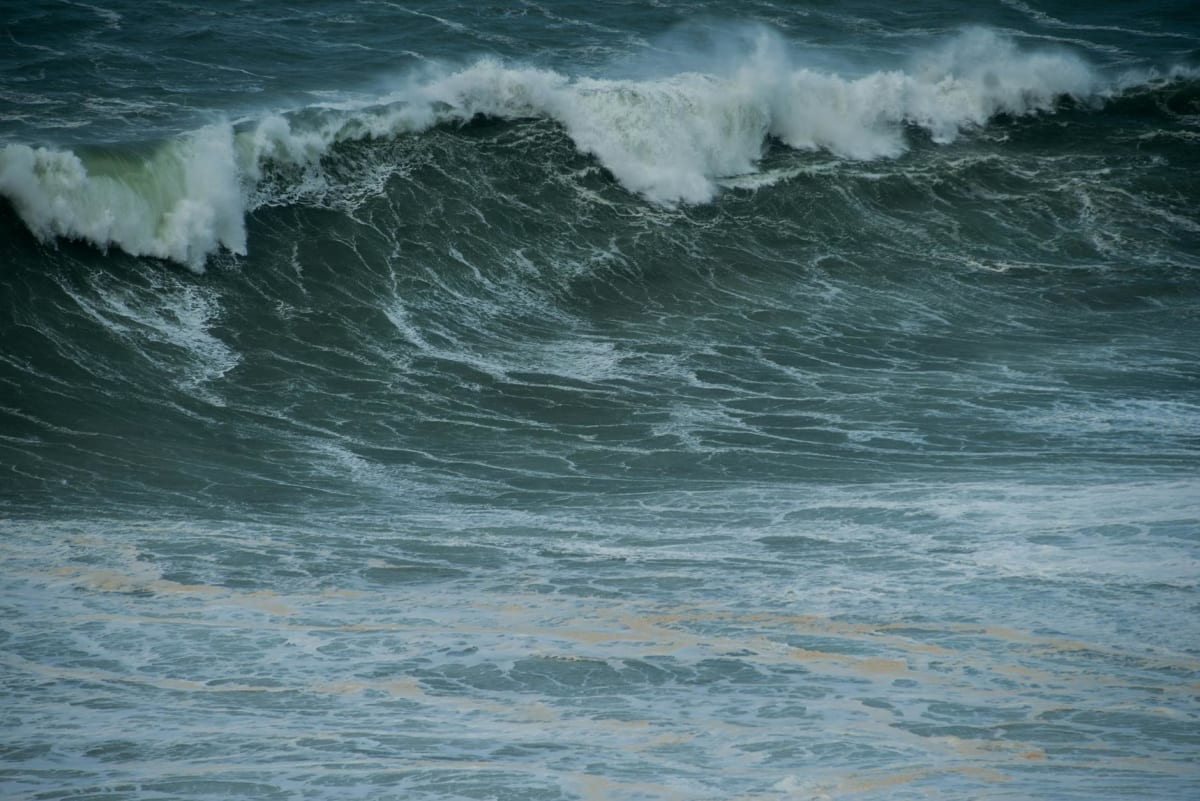
Nazaré, Portugal, is the break that changed big-wave surfing forever. Located just south of Lisbon at the mouth of the Tagus River, Nazaré creates waves that exceed 60 feet during Atlantic storms thanks to an underwater canyon that funnels and amplifies swell. The catch: this is an advanced-only, tow-in-required break during the major swell events. Epic Score rates Nazaré's swell consistency as extremely high from September through November, but the window for truly massive waves (50+ feet) is narrow—typically 3–5 days per event when a storm's peak fetch aligns with spring tide cycles.
For September 2026, expect Nazaré to fire during the first and third weeks, with the most explosive conditions typically arriving in the mornings when offshore winds lock in. The crowd factor is deceptive: yes, dozens of tow-in teams will be present, but the break's sheer size means the zone naturally spreads participants across multiple peaks. October 2026 delivers more consistent swell but slightly smaller average faces (35–55 feet versus 50–70 feet in September), making it more accessible to experienced big-wave chargers without full tow-in equipment. Check the Epic Score for Portugal's Atlantic coast →
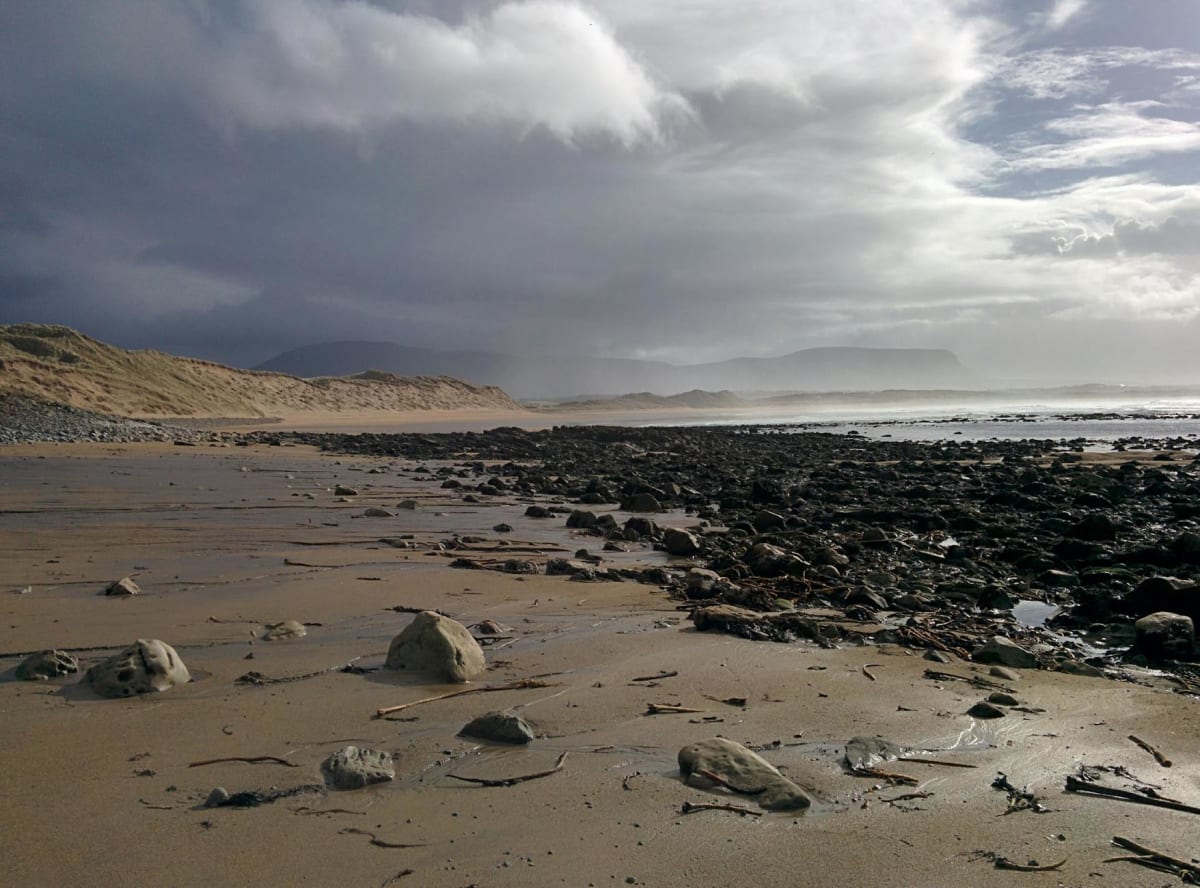
Mullaghmore Head, Ireland, sits on the northwestern coast of County Sligo and stands as Europe's most powerful reef break. This is not a beginners' zone—Mullaghmore demands respect, deep water knowledge, and the ability to read a peak that shifts with tide and swell direction. During October 2026, when Atlantic storms track farther north and generate long-period swell (14–18 second sets), Mullaghmore becomes nearly perfect. The reef channels swell into hollow, A-frame barrels that peel for 150+ meters.
Epic Score data for October 2026 shows Mullaghmore will see quality swell windows during the second, third, and fourth weeks. The crowd situation improves dramatically here compared to Nazaré: locals know the break, but it's not a circus. Morning sessions often empty out by midday. Wind direction is critical—southeasterly winds create the best shape, and autumn pressure systems often deliver exactly that. September at Mullaghmore is typically smaller and choppier due to Atlantic swells still arriving at medium period; wait for October if you're planning specifically for this break.
Thurso East, located on the far northern Scottish coast in Caithness, is the UK's most consistent reef break and perhaps the most user-friendly of the three major destinations for intermediate-advanced surfers. This right-hand reef produces long, peeling walls in the 4–8 foot range most days during the autumn swell season, with quality overhead sets arriving during peak windows. The water is cold—7–8 degrees Celsius even in September 2026—but the predictability and the wave quality make it worth the neoprene investment.
October 2026 is Thurso's prime month. Atlantic storms that deliver 12–16 second swell directly hit this northeastern exposure, and the break rarely has poor wind. Epic Score shows consistent swell reliability for the entire month, with particular peaks during weeks two through four. The crowd at Thurso is refreshingly small—you'll share the lineup with maybe 5–10 other surfers even on the best days, a stark contrast to European mega-breaks. The tradeoff is the location's isolation and the harsh Scottish weather. Daylight hours drop significantly by late October, so plan for 6–7 hours of quality light per day.
For intermediate surfers, Thurso East offers the best risk-reward balance. The swell is reliable, the wave shape is forgiving compared to Mullaghmore or Nazaré, and the crowd factor means you'll get more waves per session. For September 2026 specifically, consider Thurso only if you enjoy smaller, wind-affected conditions or want to avoid the crowded Portuguese beaches during the early-season swells.
Where to Stay: Timing and Logistics

For the Portuguese coast in September 2026, based yourself in or near Lisbon or Ericeira, the country's surf capital located just north of the capital. Ericeira offers proximity to quality beach and reef breaks, significantly shorter drive times to Nazaré (90 minutes south), and a genuine surf community. Look for guesthouses or small hotels within walking distance of the town center—this keeps you mobile and able to chase swell forecasts without the rigidity of a resort schedule. The Atlantic coast tends to offer cooler water and better conditions than the southern Algarve during September, so prioritize central Portuguese coastline breaks.
For Ireland in October 2026, Sligo town serves as the base for Mullaghmore and surrounding breaks. The town is small, genuine, and the local community is accustomed to international surfers. Accommodation ranges from small hotels to cottage rentals; October weather is unpredictable, so look for properties with good heating and reliable WiFi for tracking swell forecasts. The drive from Sligo to Mullaghmore Head is 20 minutes—close enough to chase tides and wind windows without wasting daylight on commutes.
For Scotland in October 2026, Thurso town is your only realistic option. This is the northernmost town on mainland Britain, and it has a single proper hotel—accommodation fills quickly during autumn swell season. Book well in advance. Thurso is isolated but purposefully so; the town exists because of the break, and locals expect surfers. The community is small and welcoming, but there's no nightlife culture and few dining options beyond basic pubs.
What to Bring: The Cold-Water Reality

Forget tropical wetsuit minimalism. For Portugal in September, you need a 4/3mm spring suit minimum, ideally with chest panels for warmth. By October, especially in Ireland and Scotland, you're looking at full 5/4mm or hooded booties mandatory. The Atlantic in autumn sits between 12–16 degrees Celsius; extended exposure without proper insulation creates hypothermia risk, not discomfort.
A quality hood is non-negotiable for October sessions in northern locations. The Patagonia R3 Yulex wetsuit is the benchmark cold-water choice for serious surfers—Yulex provides superior warmth-to-stretch ratio compared to neoprene, and the R3 chest panels deliver targeted insulation where you need it most. For intermediate surfers making a single trip, this investment pays dividends across multiple autumn and winter seasons.
Beyond wetsuits, pack redundancy. Bring two full suits if possible, so one can dry while you're in the water. Booties are essential for rocky entry points at Mullaghmore and Thurso. A rash guard for under the suit prevents neck chafe on long paddling sessions. Sunscreen rated SPH 50+ is critical—autumn light at northern latitudes looks deceivingly weak but burns aggressively when reflected off water and rocks.
For Nazaré specifically, you cannot paddle into this break; if you're there as a spectator and observer of tow-in sessions, bring binoculars and a quality waterproof camera. The action happens far offshore, and seeing it properly requires optical aid.
Pro Tips: The Details That Separate Good Trips from Great Ones
Check Atlantic hurricane forecasts, not just swell forecasts. Epic Score combines these data feeds, but understanding the source storm's timing and intensity helps you predict swell arrival windows with 4–5 day accuracy. A major hurricane in the central Atlantic on October 10th will produce quality swell in Ireland around October 15–17. Learn to read these correlations, and you'll time your sessions better than surfers relying purely on swell forecasts.
The tide window at each break is sacred. Mullaghmore works best on dropping tides—the reef needs water column dynamics to create shape. Thurso performs consistently across most tide ranges but has a two-hour sweet spot on the push. Show up late to the tide window, and you've wasted the session. Plan your day around tide schedules, not vice versa.
September swells in Portugal often come with south-facing wind—this creates rough, choppy conditions on north-facing beaches but makes certain reef breaks fire. Expect to drive 30–45 minutes to find clean conditions. October's swells tend to arrive with better wind patterns since the storms track farther north and approach from the southwest, improving conditions at many breaks simultaneously.
Water temperature varies more than most travelers expect. Lisbon's coast sits in the cooler Canary Current, making September water 15–16 degrees Celsius. Coastal Ireland and Scotland are slightly warmer due to the Gulf Stream influence, but the difference is 1–2 degrees—not enough to skip the heavy wetsuit. Bring a thermometer; monitor water temps as you travel northward.
Getting There: Logistics and Flight Strategy
For a multi-break trip across all three countries in September-October 2026, fly into Lisbon first. Humberto Delgado Lisbon Airport (LIS) is the main European hub, with connections from most major US and European cities. From Lisbon, you have options: drive north to Ericeira or Nazaré (2–3 hours), chase Portuguese swell for 5–7 days, then drive or fly to Ireland.
For Ireland, Shannon Airport (SNN) or Dublin Airport (DUB) serve as entry points. Sligo is a 3–4 hour drive west from Dublin, manageable as a rental car journey but tiring in autumn weather. If you're doing a focused trip on a single break, fly into the nearest airport and settle into one location for 10–14 days. The weather will shift multiple times during this window, but you only need 3–5 good days to get world-class waves.
Scotland's Thurso is most easily reached via Inverness Airport (INV), a 4-hour drive south, or Aberdeen Airport (ABZ), a 5-hour drive south. Neither is ideal, but both offer reasonable car rental options. Alternatively, Edinburgh Airport (EDI) has more flight options but requires 6–7 hours of driving to reach Thurso. Factor this in when choosing your base.
September-October 2026 is the shoulder season for European travel, meaning flights are more affordable than summer but less available than spring. Book 8–12 weeks in advance for better pricing and schedule certainty.
The Atlantic is calling. Mark your calendar for September 2026 if Portugal's power and consistency appeal to you, or wait for October 2026 if you're chasing Mullaghmore's barrels or Thurso's forgiving reefs. Check the Epic Score to see the exact swell forecast windows for your planned dates → The conditions are coming. What matters now is whether you'll be ready to paddle.
Plan Your Trip to Portugal, Ireland, UK
Check conditions and plan your surfing trip to Portugal, Ireland, UK on Epic Trips