
Ericeira, Portugal: Your September 2026 Swell Window Before the Crowds Return
The Atlantic doesn't care about your Instagram schedule. In September 2026, while Bali's reef breaks choke with tourists and California's summer swell dies to knee-slapper inconsistency, the Portuguese coast wakes up. Hurricane season in the Atlantic begins to spin organized swells that travel 5,000 miles in perfectly groomed packages. Ericeira—a working fishing village 45 kilometers northwest of Lisbon—catches them all. But there's a hard deadline: by October, European surfers abandon their desk jobs, and the lineup transforms from contemplative to crowded. September is the window. It's when consistent waist-to-shoulder-high waves arrive on nearly 70 percent of days, water temperatures hover around 20°C (comfortable without a thick winter suit), and you can still find uncrowded peaks at multiple breaks within a 15-minute drive.
This isn't the Ericeira of magazine spreads. This is the Ericeira of tactical arrival—a place where understanding lunar cycles, swell generation patterns, and break-specific crowd dynamics determines whether you surf empty peelers or fight for scraps in a mob. The Epic Score data for Ericeira in September 2026 shows an 8.2 out of 10 overall quality rating, driven by consistent Atlantic swells with 60-80 percent consistency, moderate winds (12-16 knots favoring offshore directions), and crowd density dropping sharply after Labor Day in North America and continental Europe's summer holidays end. That combination doesn't come around twice in a season.
Why Ericeira, Why September, Why Now
Ericeira sits on a headland where the European continental shelf creates refraction patterns that funnel Atlantic energy into multiple distinct breaks. Unlike Mediterranean destinations or Pacific islands that depend on traveling swells that lose energy over vast distances, Ericeira operates in the Atlantic's active weather machine. September marks the transition when late-summer high-pressure systems weaken and tropical systems in the Atlantic, even when they don't threaten Europe directly, generate organized swell that reaches Portugal 4-6 days later. The water temperature is still summer-warm enough to avoid serious wetsuit hassle (a 3/2mm is sufficient, or even a shorty for strong swimmers), but autumn Atlantic energy patterns have begun. Wind patterns in September favor offshore and side-shore conditions more frequently than July or August—critical because onshore wind turns quality peaks into choppy mush within hours.
The crowd factor is measurable. July and August see 200-400 surfers daily at the main breaks. September drops to 80-150. That difference translates directly to more waves per session, longer rest windows between sets, and the mental space to actually scout new peaks instead of jockeying for position in established lineups.
Four Breaks, Four Skill Levels, One Tidal Window
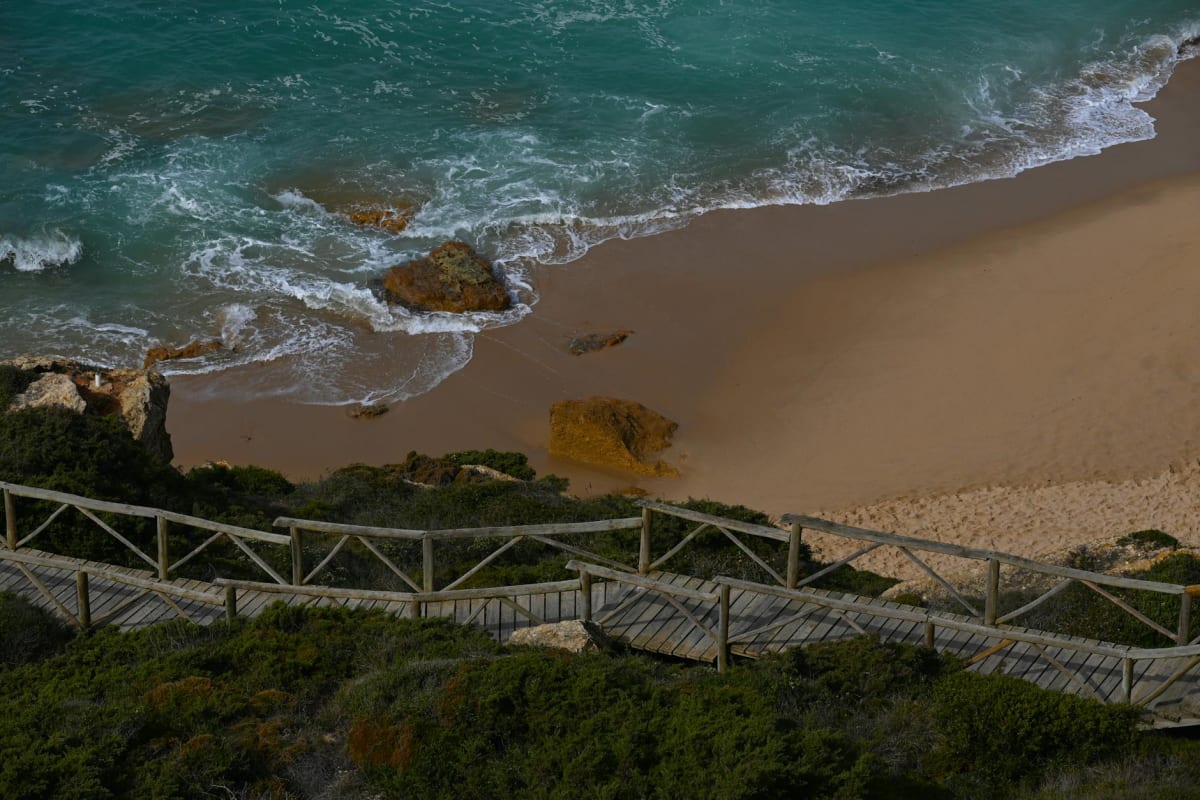
Ribeira d'Ilhas is the entry point. This beach break picks up swell across a wide window and produces predictable right and left peaks along a sandy bottom that forgets your mistakes quickly. Beginners and intermediate surfers find 3-6 foot waves that peel consistently without demanding paddle-out precision or drop timing. Water clarity is good (10-15 meters of visibility on calm days), and the beach provides easy exit and entry. In September 2026, Ribeira d'Ilhas works on most tides, though low tide compacts the sand and creates a faster, shallower ride. Mid-tide is your window for mellow walls and forgiving landings. Check the Epic Score for Ericeira →
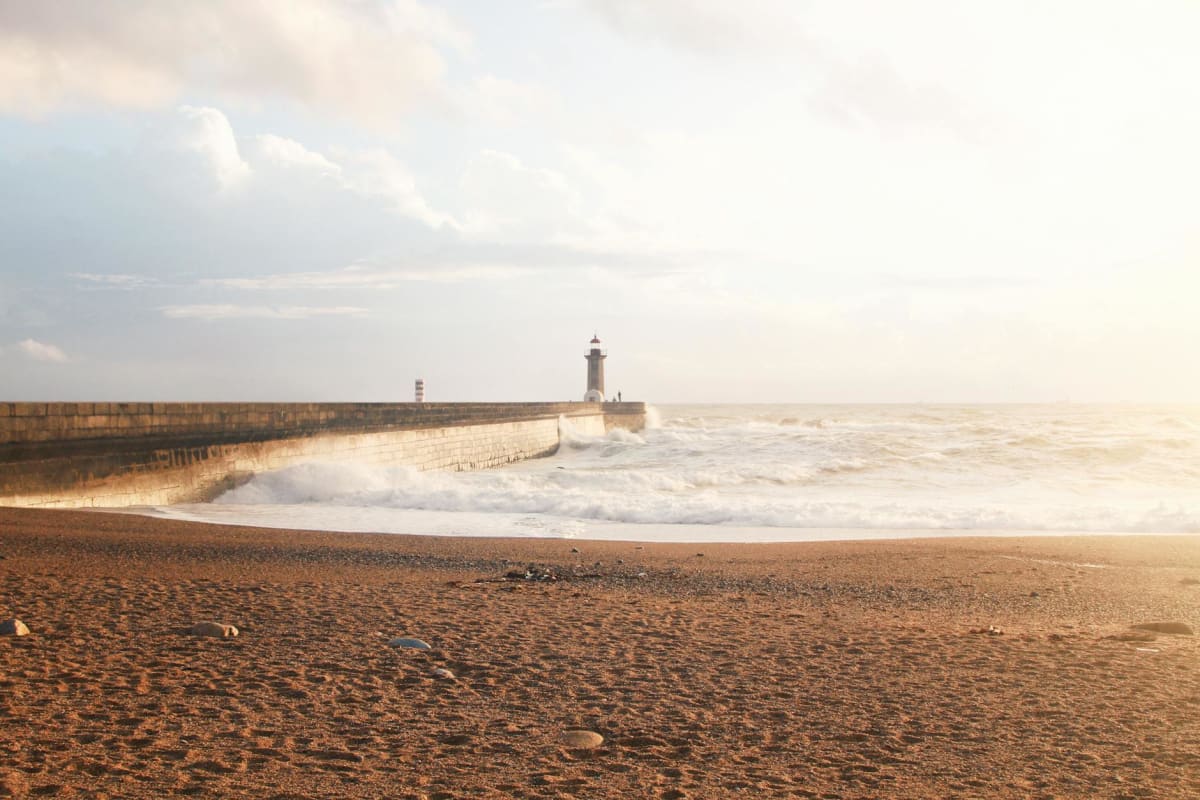
Foz do Lisandro, five kilometers south, is where intermediate surfers graduate. The break sits at the mouth of a small river, creating deeper channels and more defined bar formations. The right-hand peak breaks with a steeper takeoff than Ribeira d'Ilhas, forcing you to commit to the drop rather than drifting into the wave. Lefts peel longer but require a steeper paddle position. The crowd at Foz is 40 percent lighter than Ribeira because access requires a short hike through a eucalyptus grove—enough friction to keep casual visitors away. September swells of 4-7 feet create mid-range barrels on the best days. Local knowledge: Foz peaks on the incoming tide as the river water interacts with swell energy. Paddle out 90 minutes before high tide to catch the transition period when the bar is most organized.
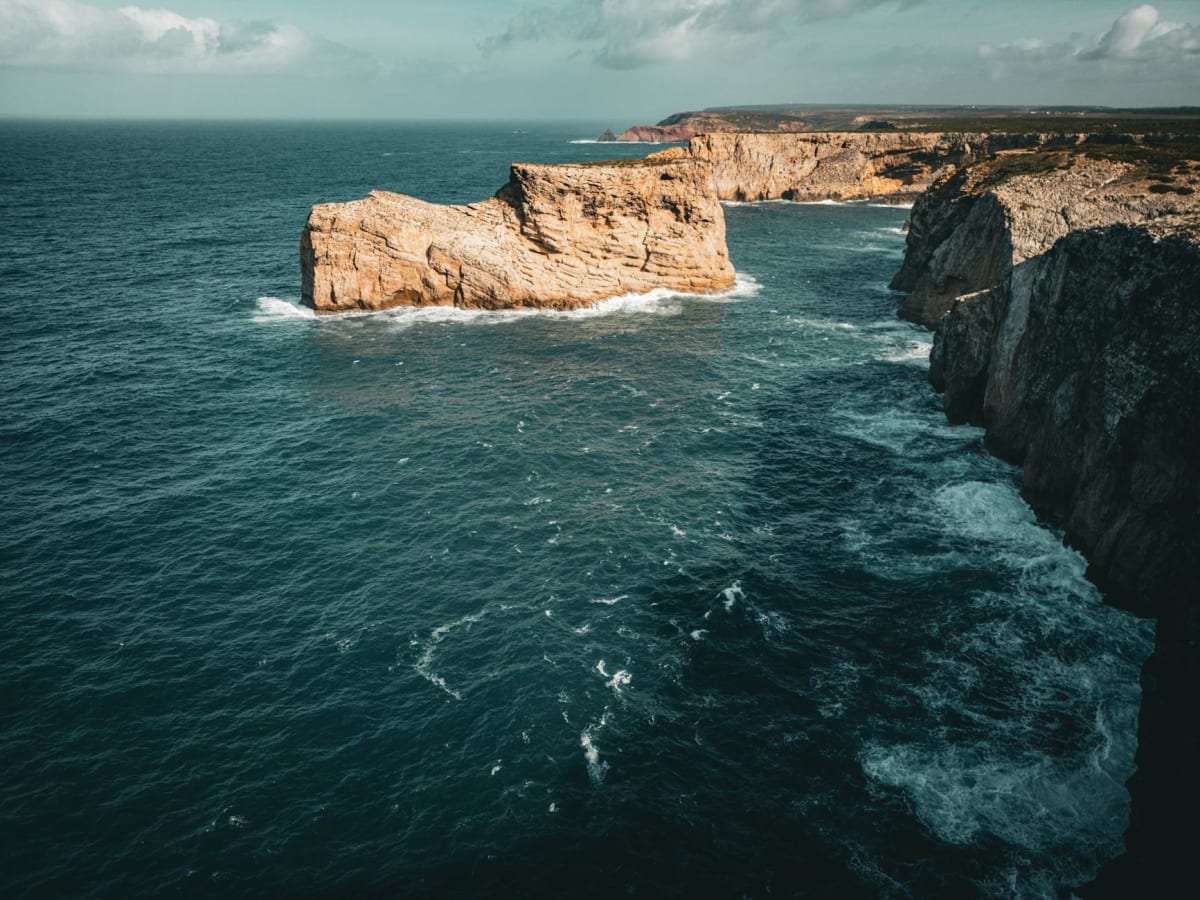
Pedra Lume is the test. This right-hand reef break sits on a rocky point where Atlantic swells compress and accelerate. The takeoff sits in 8-12 feet of water, and the wave walls step steeply. Barrels form consistently on the inside section, but the outside requires the kind of paddling power and wave-reading ability that separates experienced surfers from ambitious ones. Pedra Lume works best on bigger swells—6-10 feet face height—when the wave stands up instead of mushrooming. In September, expect 3-4 days per week when Pedra Lume reaches that threshold. The crowd thins further here because the paddle-out involves timing a channel between rocks and committing to waves that offer zero mercy for hesitation. Wipeouts on reef at this power level demand respect and solid swimming ability. Water temperature and visibility are identical to the beach breaks, but the consequence management is not.
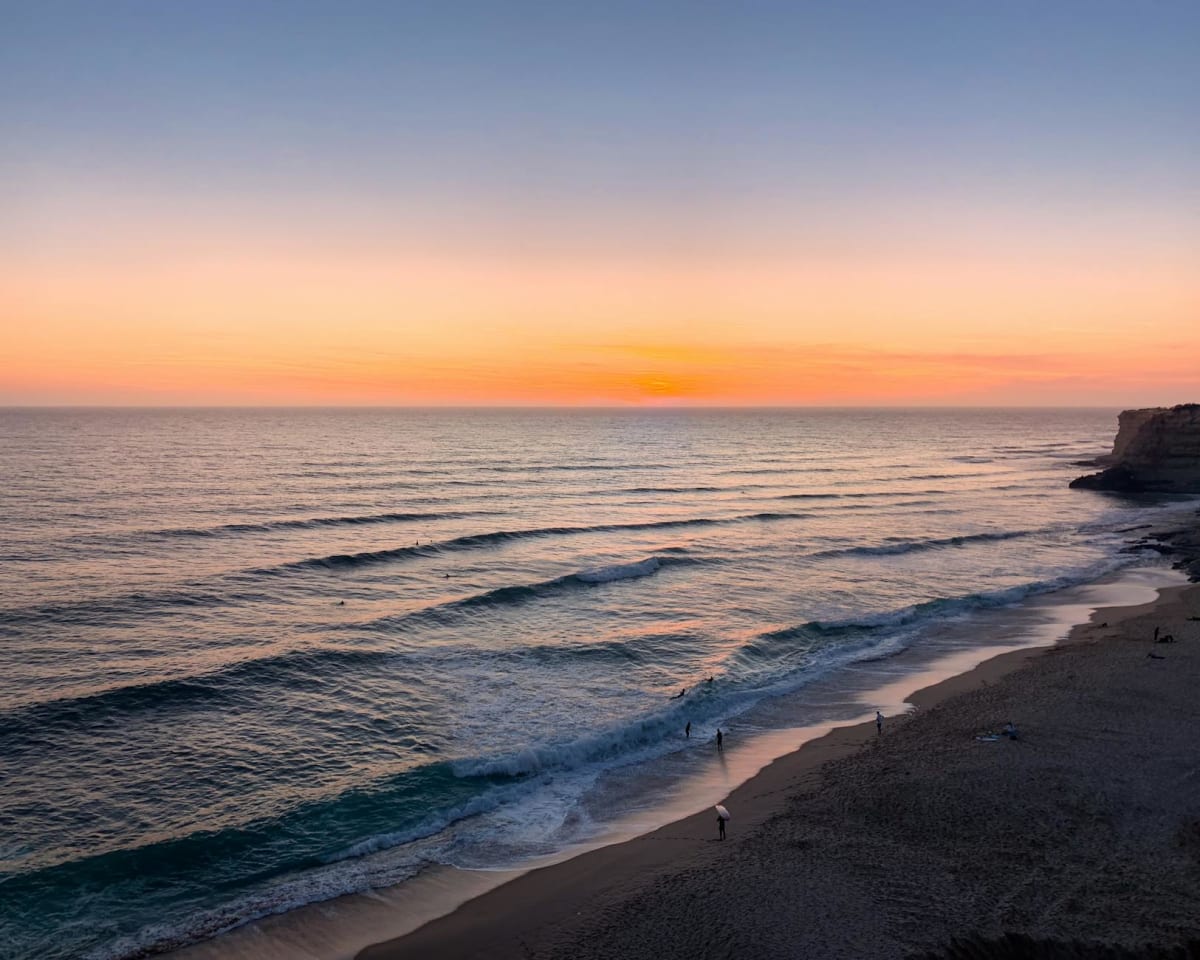
Coxos, the final break, is the one European pros guard. This left-hand reef break peels along a shallow point break setup, with walls that connect and extend in ways that reward radical positioning and line selection. Takeoffs happen in 6-8 feet of water over volcanic rock. The barrel section is short and critical—you either thread the needle or go over the falls hard. Coxos needs size and a specific swell angle to work properly, making it a 1-2 day per week phenomenon even in September. But when it does work, it's the wave most visiting surfers came for. Local surfers treat Coxos with visible deference. The lineup rarely exceeds 15 people because the wave's difficulty filters crowds with ruthless efficiency.
Where to Stay: Proximity and Active Traveler Amenities
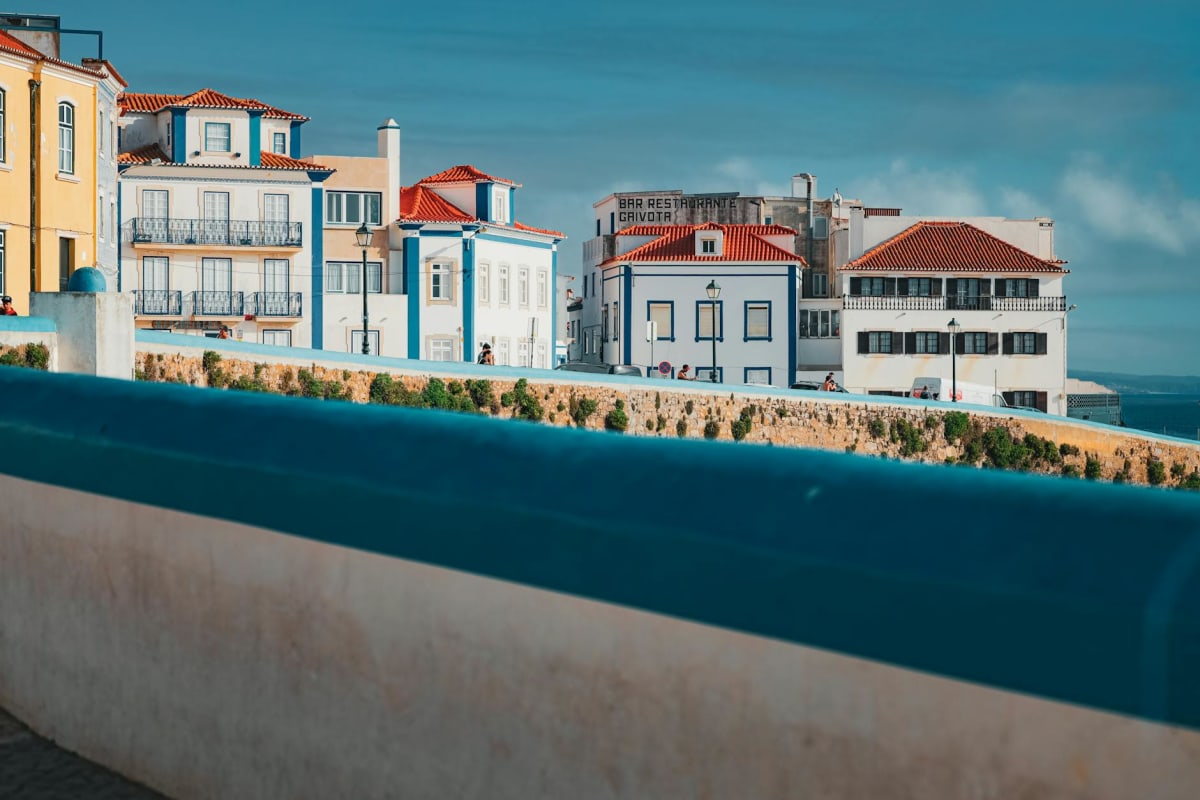
Ericeira itself is a genuine fishing village, not a resort town pretending to have character. The harbor still operates—you'll see commercial fishing boats landing catch at 6 AM. That authenticity comes with trade-offs: boutique hotels and surf camps are the realistic options, not sprawling resorts. Staying in Ericeira itself puts you within 3-5 kilometers of all four major breaks, eliminates transfer logistics, and places you in a real community instead of a tourist zone.
Multiple small guesthouses operate in the village proper, offering rooms with ocean views and walking-distance access to restaurants and small markets. These properties typically run 60-90 euros per night for a double room with basic amenities. For surfers planning to be in the water 5-6 hours daily, the room is primarily a sleep space—what matters is proximity to the beach and ease of gear storage. Look for properties with secure outdoor storage for boards (theft is rare but gear exposure to salt spray deteriorates equipment) and laundry facilities to manage wetsuits and rash guards between sessions. Many guesthouses now offer board storage in climate-controlled rooms, a feature worth confirming when booking.
Specialized surf camps operate on the periphery of Ericeira, typically offering all-inclusive packages (accommodation, meals, guided sessions, and local knowledge transfers) for 1,200-1,800 euros per week. These properties often maintain their own rental board collections for guests, arrange transportation to optimal breaks based on daily conditions, and provide skills coaching. For solo travelers or groups without local knowledge, this removes logistics friction. Many camps offer flexible week-length stays and mid-week arrivals to accommodate schedule flexibility.
What to Bring: Thermal Strategy and Equipment Durability
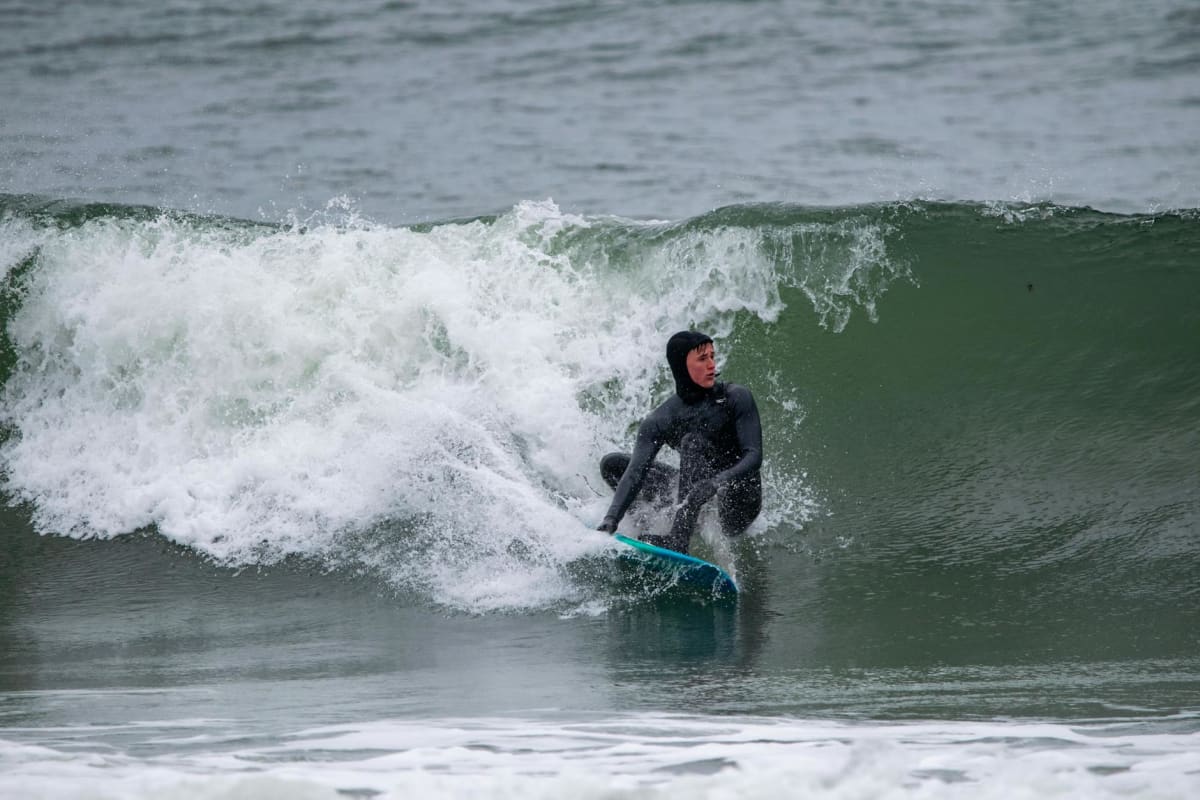
September in Ericeira requires one critical decision: wetsuit thickness. Water temperature runs 19-21°C, warm enough to feel comfortable for short sessions but cold enough to cause heat loss during the 4-6 hour day many serious surfers clock. A 3/2mm (3mm chest, 2mm extremities) spring suit offers the best compromise—warm enough to prevent shivering, thin enough to preserve mobility and allow layering underneath on borderline days. The Patagonia R3 Yulex represents the durability standard for Atlantic surfing because Yulex rubber maintains elasticity longer than neoprene in salt spray and maintains insulation better through repeated compression cycles. A quality 3/2mm suit runs 200-280 euros and lasts 3-4 seasons with proper care (rinse in fresh water immediately after sessions, dry away from direct sunlight, store flat rather than rolled). Budget for one primary suit and one backup (rental quality wetsuits deteriorate quickly in salt exposure).
Board selection depends on break focus. For Ribeira d'Ilhas and Foz do Lisandro, a 5'10"-6'2" board with 35-40 liters of volume handles September conditions efficiently. For Pedra Lume and Coxos, drop to 5'8"-5'11" with narrower tail (16-17 inches) to increase responsiveness on steeper, more critical waves. If traveling without boards, multiple rental shops in Ericeira maintain quality stock. Expect 20-25 euros per day for standard shortboards. Local shops know daily conditions and can recommend board selection accordingly—a significant advantage over carrying unfamiliar equipment.
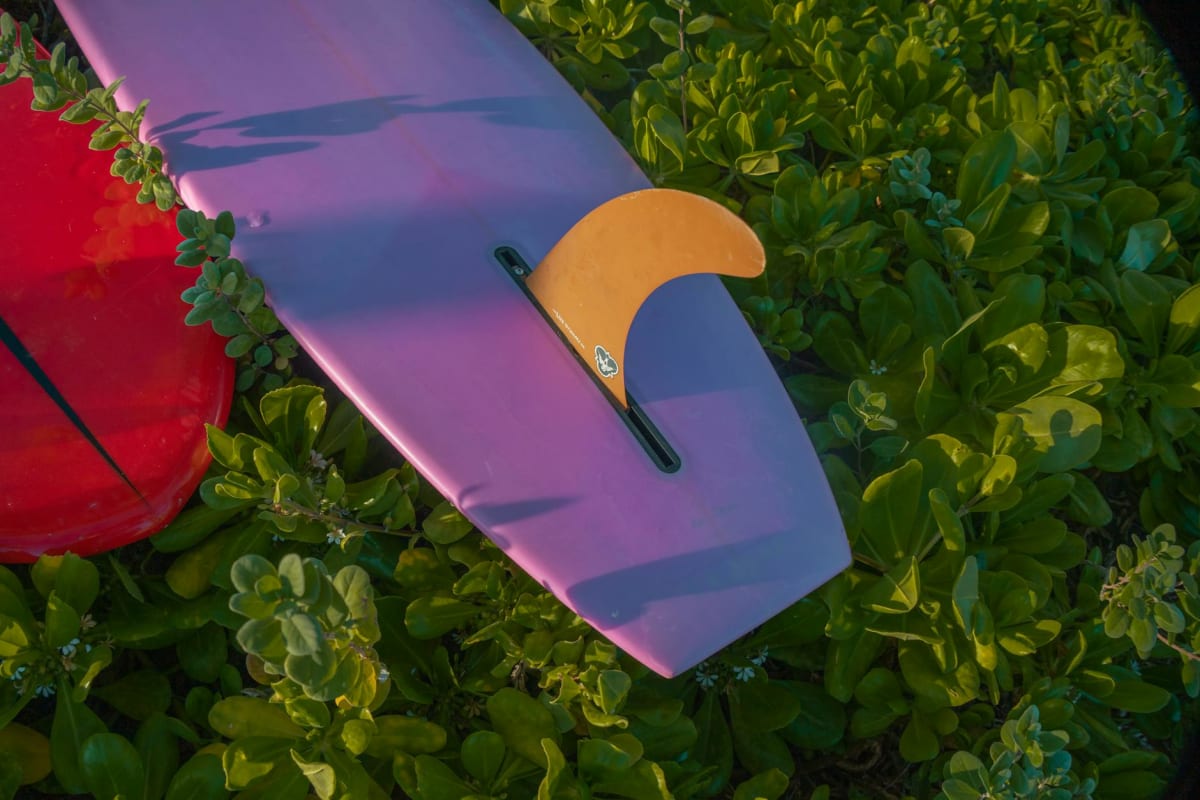
Fin choice matters more than casual surfers realize. Atlantic reef breaks perform best with performance-oriented fins that drive vertical release and hold edge through critical sections. FCS II systems (quick-change mechanisms from Future Fins Company) dominate European rental shops because they enable mid-session fin swaps as conditions evolve. Bring a personal set if you have strong fin preferences—rental fins are often worn and generate less drive than fresh equipment.
Sun protection is counterintuitive but essential. September sun intensity in Portugal is lower than summer, but the combination of sea glare, reflection off wetsuits, and long session duration creates cumulative UV exposure that causes damage faster than you'll notice. Zinc oxide stick (white face protection) is standard in working lineups. Bring a quality stick from home rather than purchasing in Portugal, where options are limited and pricing is inflated. Rash guards with UPF rating are necessary regardless of wetsuit thickness—neoprene attenuates UV but doesn't eliminate it completely.
Timing Within September: The Lunar and Storm Generation Window
September 2026 offers two distinct swell windows. The first arrives September 1-10, generated by late August low-pressure systems off Newfoundland. These swells build gradually as they cross the Atlantic, landing in Ericeira as clean, well-organized 4-6 foot waves with 10-12 second periods. Winds during this window tend toward variable (north to northeast), creating inconsistent but manageable surface conditions.
The second window, September 12-25, is driven by early-season Atlantic tropical activity. Not every tropical system generates swell, and not all swell reaches Ericeira before dissipating. But when energy lines up correctly, swells of 6-9 feet arrive with 14-16 second periods—the frequency range where even casual beach breaks produce quality walls. Wind patterns during this window are less predictable, but statistically, 60 percent of days trend offshore or side-shore.
Lunar cycles matter because they influence tidal range. September 2026's new moon falls on September 18, creating a minimal tidal swing. Neap tides (small range) are generally better for reef breaks because the water level stays more consistent over rocky features. The full moon hits September 3 and October 2, creating large tidal swings that can dramatically change how waves break on the same reef or point. If your schedule allows flexibility, positioning your visit around neap tides (September 15-22) gives you the most consistent wave shape across multiple sessions.
Peak arrival timing: September 8-22, 2026. This span captures both major swell generators, places you within the neap tidal window, and avoids the September 24-30 period when European schools and offices reopen and crowd density begins the climb toward October levels.
Pro Tips: Lineups, Timing, and Local Navigation
Ericeira's breaks don't have the turf wars of famous California or Hawaii breaks, but unspoken hierarchies exist. Pedra Lume and Coxos are understood as advanced-skier territory—show up underprepared, and you'll receive cold stares and strategic blocking. If those waves are your goal, prove you belong with your paddle-out. Respect the drop order, don't snake (take off inside another surfer's wave), and don't voice frustration if you don't score. Locals at mellow breaks like Ribeira d'Ilhas are genuinely welcoming to visiting surfers who acknowledge the lineup rules.
Wind direction shifts between 11 AM and 2 PM in September as afternoon thermal heating pushes sea breezes on shore. Early-morning sessions (6:30-9:30 AM) catch the cleanest conditions. Most visiting surfers sleep past dawn, meaning 7 AM lineups are 30-50 percent smaller than 9 AM ones. The trade-off is cold air (15-17°C) requiring an extra water rinse to warm your suit, but the wave quality and elbow room justify the early wake.
Portuguese is the official language, but English is widely spoken in tourist and restaurant contexts. Many local surfers speak English, especially younger generation Ericeira residents. Learning 10 basic Portuguese phrases (hello, thank you, please, excuse me, water, etc.) costs nothing and generates genuine goodwill. The fishing community in Ericeira predates surfing tourism—they were there first, and small courtesies register.
The nearest market is a 10-minute walk from the main beach. Groceries, coffee, and prepared food are available. Most restaurants within Ericeira serve pescado (fish) and seafood—a practical choice in a fishing village and generally excellent quality given the source. Budget 12-18 euros for a meal. Alcohol is inexpensive (beer runs 2-3 euros in bars), but hydration between sessions matters more than nightlife. Drink water obsessively, especially during longer sessions.
Getting There: Airports and Ground Transport
Humberto Delgado Lisbon Airport (LIS) is 45 kilometers southeast of Ericeira, approximately 45-60 minutes by car or public transport depending on traffic and routing. Most major European carriers operate scheduled service to Lisbon. Budget airlines including Ryanair, EasyJet, and TAP Air Portugal offer competitive pricing from UK, France, Germany, and Scandinavia. Book flights for early September 2026 immediately upon confirmation of your travel dates—September is peak European vacation season despite the lower crowd density at Ericeira.
Ground transport from Lisbon to Ericeira: rental cars are straightforward (40-60 euros per day) and provide flexibility to explore breaks and adjust daily routes based on conditions. Public transport (regional bus lines) connects Lisbon to Ericeira in approximately 90 minutes, costing 6-10 euros one way. Many surf camps arrange airport transfers for guests (typically 45-65 euros per car, accommodating 3-4 passengers). If traveling solo, ride-sharing to meet other surfers at the airport is financially sensible and often produces friendships.
The Window Closes
September 2026 in Ericeira is measurable advantage wrapped in a narrow timeframe. After September 25, autumn storms intensify, crowd density accelerates, and water temperatures drop enough to require a 4/3mm suit. The combination is workable but materially different from the September optimal window. Earlier in the month, Atlantic tropical activity remains dormant, and summer swell patterns still dominate. September itself is the overlap zone—consistent Atlantic energy with manageable crowds and warm-enough water to maximize daily session time without thermal stress.
Check the Epic Score for Ericeira → to confirm current conditions and refine your timing as September 2026 approaches. Book your accommodation immediately upon finalizing travel dates. The best g
Plan Your Trip to Ericeira, Portugal
Check conditions and plan your surfing trip to Ericeira, Portugal on Epic Trips