
Destination Guide — North America's Best Summer Hiking: From Rocky Mountain Peaks to Pacific Coastal Trails
There's a moment on every serious hiker's life when the elevation gain becomes irrelevant and the landscape does all the talking. You're standing at 11,000 feet in the Colorado Rockies, the air so thin it tastes metallic, and you realize the trail isn't leading you somewhere—it's already transformed you. North America in summer offers that exact alchemy: terrain that rewards preparation, weather windows that actually cooperate, and a range of difficulty that separates the casual day-hikers from the committed trekkers willing to chase alpine terrain at altitude.
The continent's hiking ecosystem is brutally honest. You don't get gentle progression here. The eastern Appalachians will humble your cardiovascular system with relentless elevation changes. The Rockies demand respect for altitude and weather volatility. The Pacific Crest ecosystem offers raw, unforgiving distance. But between June and September 2026, these conditions align into a genuine opportunity: stable weather windows, snow melt clearing high passes, and wildflower displays that make the effort feel purposeful rather than punishing.
Why North America for Summer Hiking: The Epic Score Advantage
Epic's historical conditions data reveals something counterintuitive about North American hiking. Unlike European alpine regions with their established infrastructure, North American high country operates on compressed seasonal windows. The Rockies see their optimal conditions—stable barometric pressure, minimal precipitation, moderate temperatures at elevation—concentrated between late June and early September 2026. The Appalachian trail system, meanwhile, hits peak conditions in July and August 2026 when humidity recedes and ridge-running weather becomes predictable.
Summer 2026 specifically offers above-average stability across most major systems. The monsoon season in the Southwest doesn't fully activate until late July 2026, meaning Utah and Arizona routes are genuinely hikeable from June through mid-July 2026. The Pacific Northwest sees its driest spell in August 2026, after spring snowmelt clears and before fall rains return.
The Routes: Where Difficulty Meets Reward
For Beginners: Great Smoky Mountains, Tennessee–North Carolina Border
The misconception about beginner hiking is that it must be boring. The Laurel Falls Trail in Great Smoky Mountains National Park (2.6 miles roundtrip, 600 feet elevation) delivers waterfall payoff without requiring technical skill. July and August 2026 mean the trail is well-established and stream crossings are manageable. The forest canopy prevents overheating even at lower elevations where temperatures climb into the 70s Fahrenheit during summer.
Better yet, try Alum Cave Trail (5 miles roundtrip, 1,000 feet elevation), which offers moderate distance without scrambling. You'll cross log bridges over Alum Cave Creek and reach a genuine geological feature—the cave itself—that makes the effort feel purposeful. June through August 2026 is when water flow stabilizes, so creek crossings aren't treacherous.
Stay at accommodations in Gatlinburg on Booking.com, the gateway town offering everything from budget lodges to upscale resorts. The town sits at the edge of the park, meaning sunrise starts are actually feasible without predawn driving.
For Intermediate: Rocky Mountain National Park, Colorado
This is where North American hiking gets serious. Rocky Mountain National Park near Estes Park contains 93 trails, but the true intermediate experience lives on routes that touch real alpine territory without demanding technical climbing. The Sky Pond Trail (10.7 miles roundtrip, 2,000 feet elevation) climbs into subalpine forest and reaches an actual alpine lake sitting at 10,500 feet. The trail is non-technical—no scrambling, no exposure—but those elevation gains compound relentlessly. Start before dawn in July 2026, when temperatures at the summit hover around 45 degrees Fahrenheit even as the valley below reaches 75.
The Emerald Lake Trail (9.9 miles roundtrip, 1,900 feet elevation) offers similar alpine payoff with slightly better water availability. You'll traverse tundra in July 2026 when wildflowers—alpine forget-me-nots, columbine, paintbrush—transform the high country into something almost unreal. The trail doesn't require ropes or technical gear, but it does require honest cardiovascular preparation and respect for weather. Afternoon thunderstorms roll in suddenly at 3 p.m., and at 10,000 feet you're the highest object around.
Book lodging in Estes Park on Booking.com and plan to spend three days minimum. One day acclimates you to elevation, one day tackles your objective, one day gives you a weather backup. The Estes Park Resort offers direct access to trailheads without the commute, though options range from mountain lodges to budget motels depending on your tolerance for amenity trade-offs.
For Advanced: Mount Rainier, Washington State
Rainier isn't a hiking destination—it's a mountaineering commitment. The Skykomish-Ingraham Glacier Route (16 miles roundtrip, 4,400 feet elevation gain) is where serious hikers test their limits. You climb through old-growth forest, traverse alpine meadows, and reach the summit climbing zone where crevasses require rope teams and technical glacier knowledge. This isn't a trail hike; it's an expedition compressed into two days.
More accessible for advanced hikers is the Spray Park Loop (7.6 miles, 1,600 feet elevation), which climbs through subalpine meadows and reaches panoramic vistas of Mount Rainier itself without glacier crossing. July and August 2026 see the most reliable snow melt patterns, making route-finding straightforward. You'll encounter genuine alpine terrain, scrambling sections, and exposure that demands competence with exposed terrain and self-rescue awareness.
Alternatively, the Goat Rocks Wilderness Traverse (20 miles, 4,000 feet of elevation gain—done over two or three days) is advanced hikers' actual playground. This high-altitude traverse crosses genuine alpine ridges with exposure, loose talus, and weather volatility that separates casual trekkers from committed mountaineers. July and early August 2026 are mandatory—any earlier and snow blocking passes becomes an issue, any later and weather deteriorates.
For advanced Rainier attempts, hire experienced guides through certified operators on GetYourGuide rather than attempting solo navigation. The mountain's reputation for sudden weather and crevasse danger is hard-earned.
Base yourself in Ashford, Washington on Booking.com, the town nearest Rainier's south entrance. The Whittaker's Bunkhouse historically serves mountaineers, though availability requires early booking for the prime July–August 2026 season.
Gear and Preparation: What Actually Matters
Here's what separates successful summer hikers from injured ones: preparation for conditions you can't see coming. North American high country in summer looks stable until a thunderstorm materializes in 15 minutes. You need three things: elevation acclimation time (3,000 feet daily elevation exposure won't kill you, but 4,000 feet without rest days will), water capacity (alpine sources are reliable but spread out—carry 3 liters minimum), and weather-ready gear.
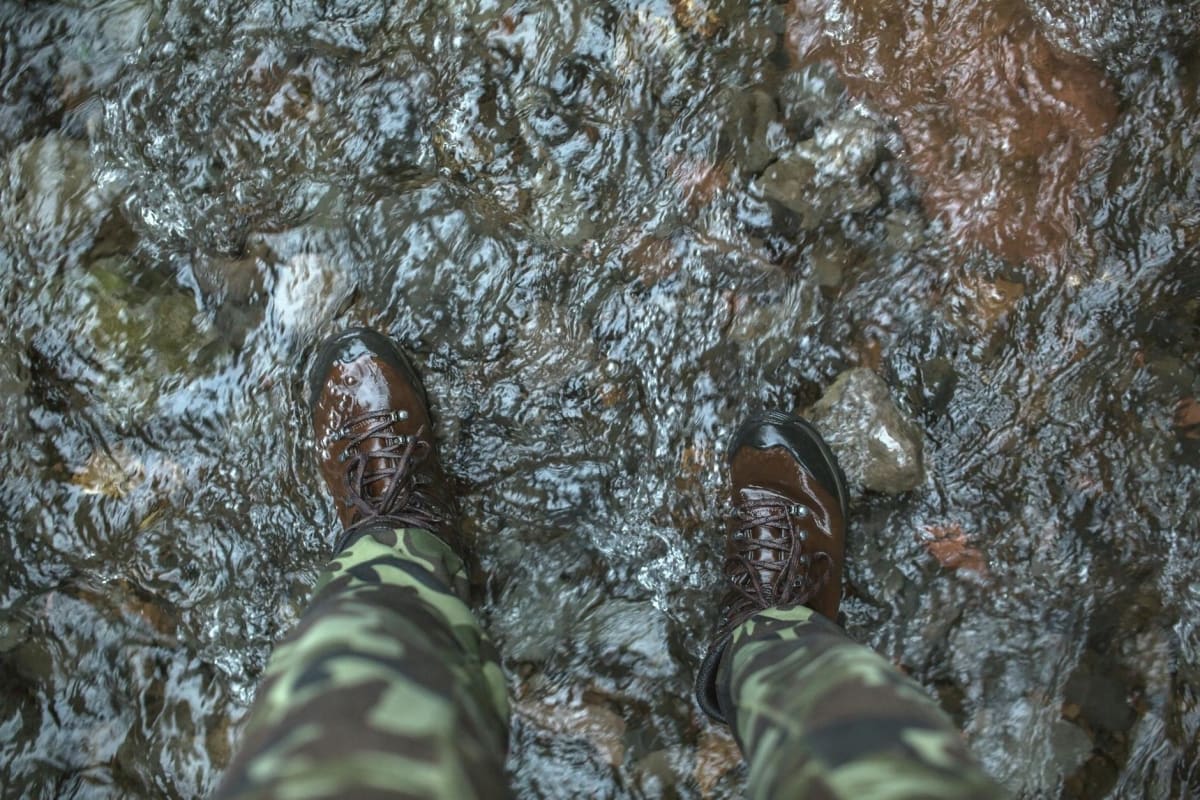
Invest in a hardshell rain jacket rated for high wind, not just precipitation. The Patagonia Torrentshell 3L is industry standard for Rocky Mountain routes because it compresses small and won't overheat during sustained climbing. Pack wool socks—one blister at 10,000 feet becomes a genuine problem on a 10-mile loop.
For high-elevation routes, thermal layers matter more than you think. July in the Rockies means 75 degrees Fahrenheit at the trailhead, 45 degrees at the summit, and potential hypothermia in sudden weather. Merino wool base layers dry faster than synthetic and regulate temperature better than cotton.
Pro Tips from North American Hiking Communities
Local hiking communities across North America share consistent wisdom. First: start ridiculously early. A 5 a.m. trailhead arrival isn't excessive—it's tactical. Afternoon thunderstorms in the Rockies form like clockwork in July and August 2026, and being off high terrain by 2 p.m. isn't paranoia, it's survival. Experienced Rainier hikers summit by 10 a.m., period.
Second: elevation gain isn't the real problem, sustained elevation is. A 4,000-foot climb over 10 miles is genuinely manageable. The same elevation gain compressed into 4 miles breaks people. Know your pace—if you're hiking 2,000 feet per hour at your home elevation, drop to 1,000 feet per hour at 8,000 feet altitude.
Third: invest in a weather radio. Rainier, the Tetons, and Colorado's high country can develop dangerous conditions in the afternoon. The Garmin InReach Mini 2 lets you access accurate weather updates and emergency communication simultaneously—not fancy, necessary.
How to Get There
North American hiking destinations are geographically dispersed. Rocky Mountain National Park centers around Denver International Airport (DEN), a major hub with competitive fares. Search flights to Denver on Skyscanner and factor in a 2-hour drive to Estes Park. The Smokies funnel through Knoxville (TIA) or Atlanta (ATL)—compare Knoxville flights on Skyscanner for direct mountain access.
Mount Rainier routes depart from Seattle-Tacoma International (SEA). Book Seattle flights on Skyscanner and arrange ground transportation to Ashford, a 1.5-hour drive southeast.
The Real Opportunity
Summer 2026 is your window for North American alpine hiking at its most accessible. The Rockies' stable conditions, the Smokies' water availability, and the Pacific Northwest's dry season all align June through September 2026. This isn't sentimental nostalgia for places you might visit someday—it's an actual tactical advantage for the specific months ahead.
The hiking community isn't gatekeeping these experiences. They're actively welcoming prepared, respectful hikers willing to invest time in acclimatization and proper gear. Start with your skill level, respect the altitude and weather, and let the terrain do what it's designed to do: transform how you move through the world.
Ready to plan your summer? Search Epic Trips for real-time hiking conditions across North American destinations. Filter by elevation, difficulty, and best months to find routes matching your exact preparation level and timeline.
Plan Your Trip to North America
Ready to experience it for yourself? Here's everything you need to book your adventure:
Flights
Search flights to North America on Skyscanner
Where to Stay
Browse hotels in North America on Booking.com
Activities & Experiences
Book hiking experiences in North America on GetYourGuide
Check the Epic Score
See conditions data for North America on Epic Trips