The Best Surf Camps in Costa Rica: Where Consistent Waves Meet Serious Instruction
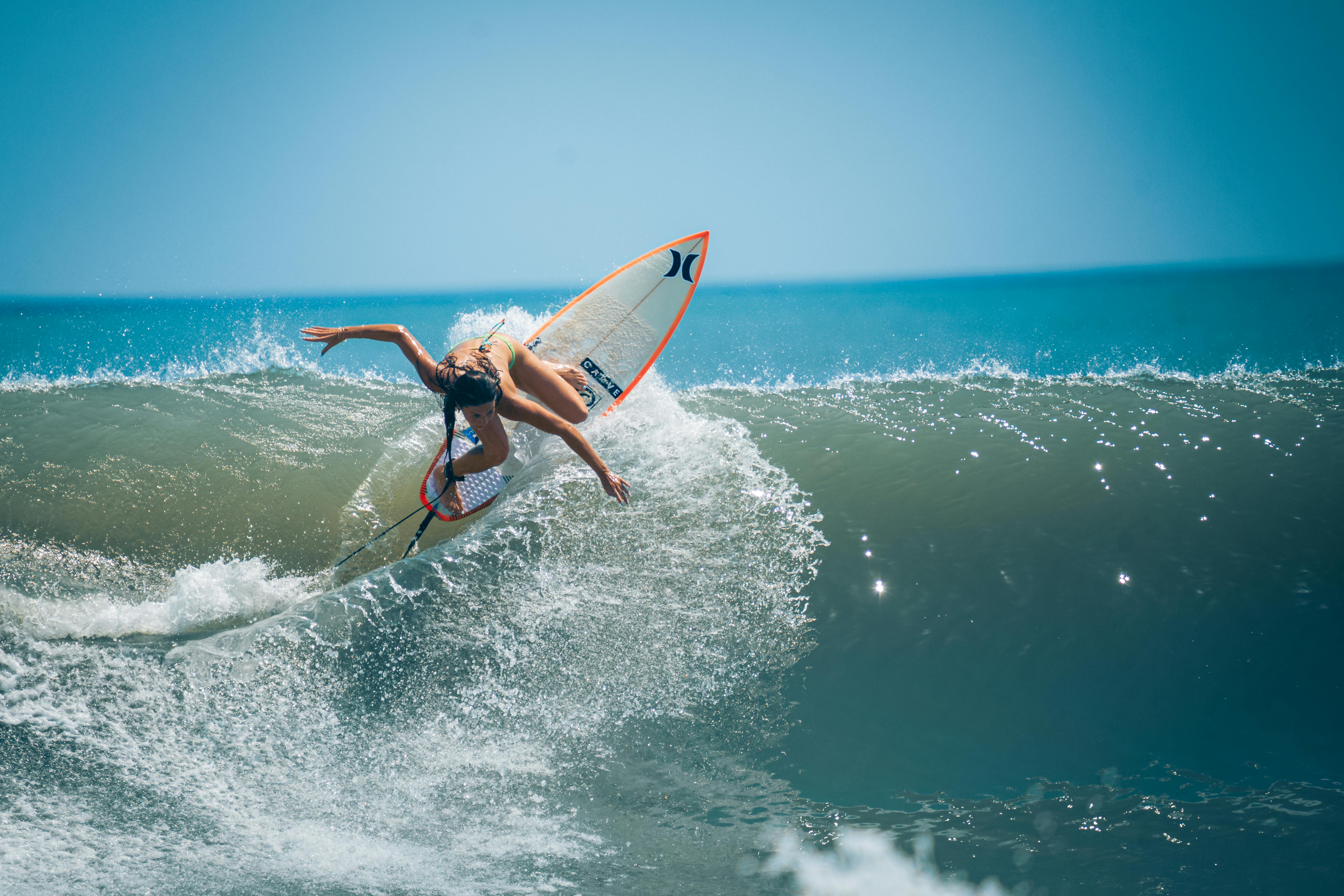
You're paddling out at dawn when the swell lines stack up on the horizon like stacked lumber, and the offshore wind is just starting to groom the faces. Around you, a mix of beginners and advanced surfers are already in the water, having learned the lineup the same way you did—through a week at one of Costa Rica's top-tier surf camps. The difference between flailing around on a crowded beach break in California and actually progressing your surfing is often a matter of finding the right instruction, the right waves, and the right crew. Costa Rica's surf camps have cracked this formula, and they're why serious surfers—from first-timers to competitors—keep returning.
Why Costa Rica Dominates the Surf Camp Scene
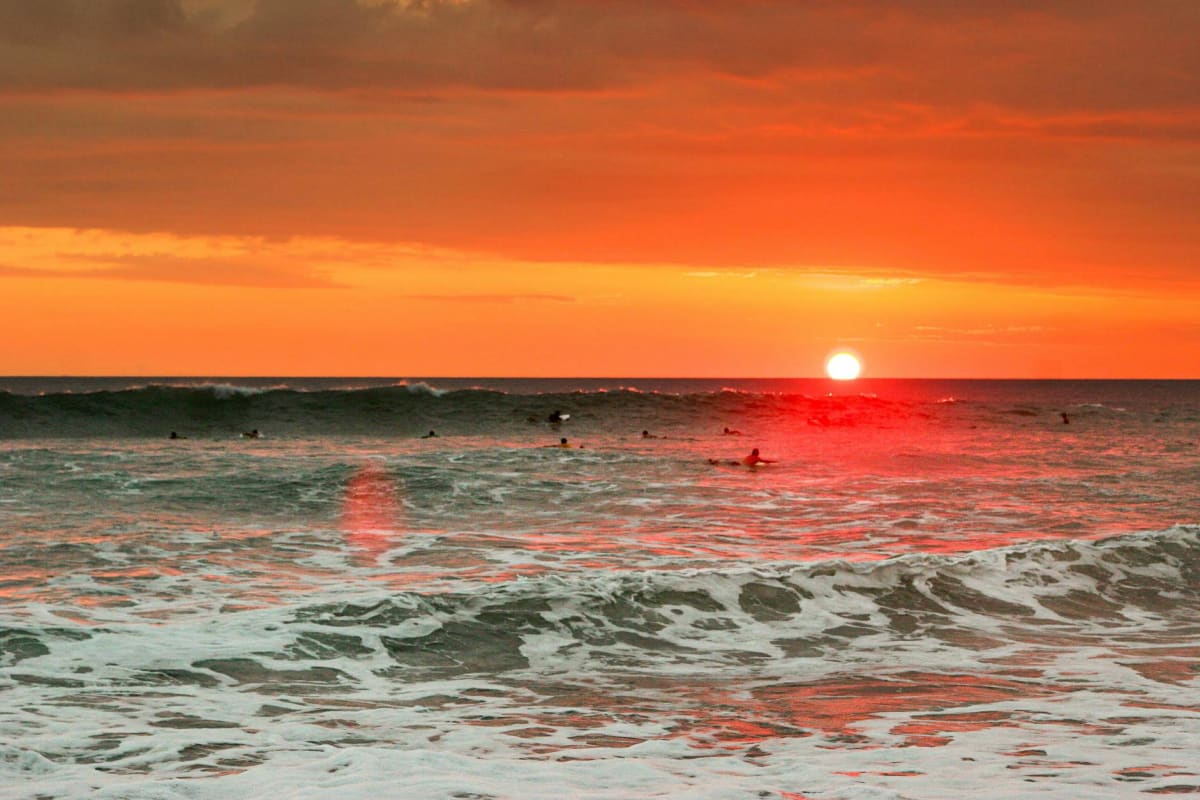
Costa Rica's Epic Score for surfing is consistently high across both coasts, but for different reasons. The Pacific side delivers year-round swell, with the best overall conditions running from March through October 2026, when Southern Hemisphere swells wrap around and meet local wind patterns. The Caribbean (Atlantic) side offers smaller, more manageable waves ideal for progression, with the most reliable teaching conditions from September through November 2026. What sets Costa Rica apart isn't just the volume of rideable days—it's the accessibility. You're never more than a two-hour drive from an airport, and most camps are positioned within walking distance of multiple breaks suited to different skill levels.
The rainy season (May through November 2026) actually improves conditions. Morning offshore winds are more consistent, and while you'll see afternoon showers, they clear the water and the crowds. Experienced surfers often prefer this period precisely because fewer tourists are booking trips. Budget-conscious travelers should target September through November 2026 for both better prices and less crowded lineups.
The Pacific Coast: Consistency and Variety
The Pacific side of Costa Rica is divided into distinct regions, each with its own character and optimal learning curve. The Nicoya Peninsula hosts some of the most forgiving beach breaks in the world, which is why camps here cater heavily to beginners and intermediates. Tamarindo, a 40-minute drive north of Liberia, produces consistent A-frame waves that peel predictably for learners. The beach is wide and sandy, reducing the risk of collision, and the water temperature hovers around 78–82 degrees year-round, meaning you can surf in board shorts and a light rashguard.
For intermediate to advanced surfers, the southern Pacific coast—specifically around Uvita and Ojochal—delivers more complex wave mechanics. Reefs and point breaks here demand better technique and wave-reading skills, but they reward you with longer, more shapeable rides. Conditions here really shine from July through October 2026, when consistent Southern Hemisphere swells meet favorable wind windows.
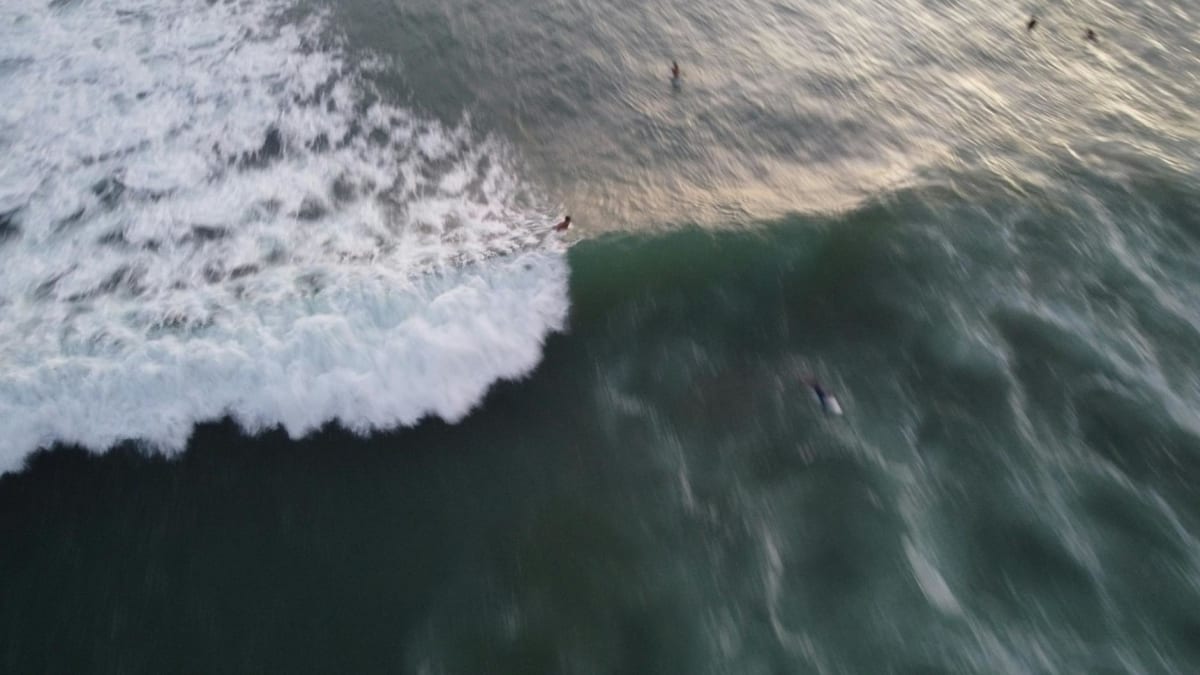
One underrated region is Manuel Antonio, on the central Pacific coast. It sits between the beginner-friendly breaks of the north and the challenging reefs of the south. The waves here are often smaller and less crowded than Tamarindo, making it ideal for intermediate surfers who want to practice intermediate-level maneuvers without the ego bruising that comes with trying to progress at a world-class reef.
The Caribbean Side: Precision Teaching in Smaller Surf
Puerto Viejo on the Caribbean coast operates in an entirely different zone. The waves here are smaller—typically waist to head-high—and the instruction philosophy reflects that. Beaches are rocky, and the water temperature is consistently warmer, but the real draw is the teaching potential. Smaller waves mean more time in the water, more waves per session, and a gentler learning curve. This coast shines from September through November 2026, when consistent swells push up from Atlantic hurricane systems.
Cahuita, just north of Puerto Viejo, offers an even more protected, learning-focused environment. The beach breaks here are less intimidating, and the laid-back vibe of the town means your instructors aren't racing between twenty different students. This is where absolute beginners should seriously consider booking their first camp.
Where to Stay: Top Surf Camps by Level
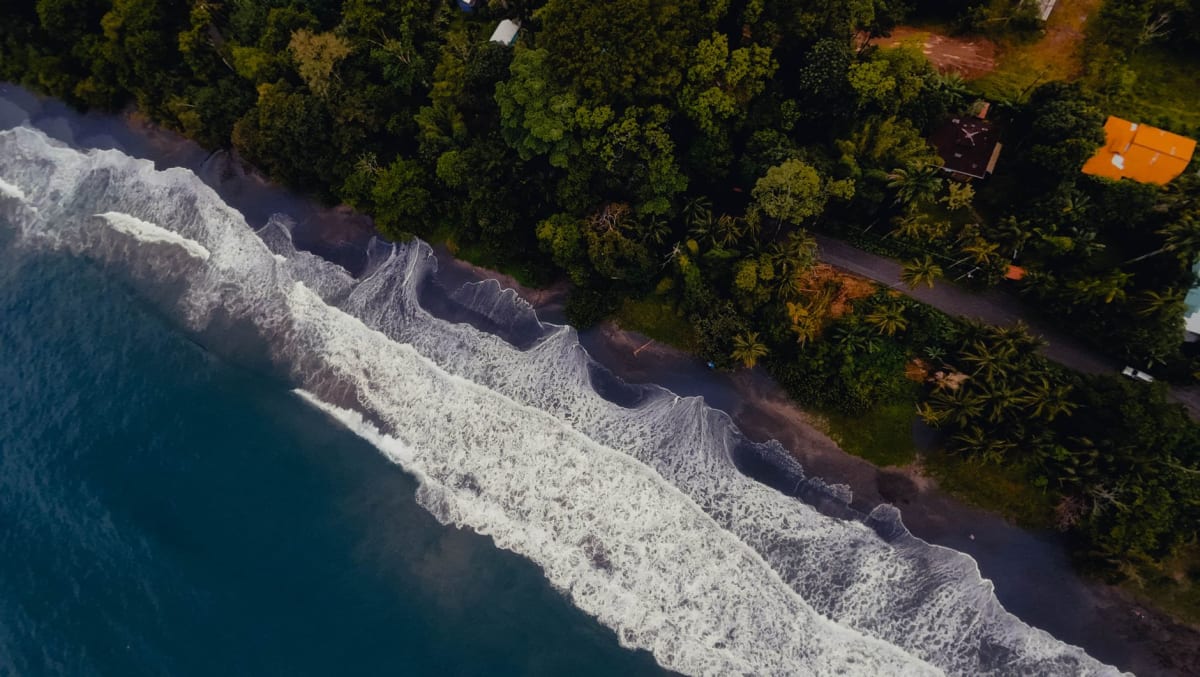
For beginners, Tamarindo Diria Beach Resort sits directly on one of the most consistent teaching waves in the country. The camp structure here is tight—small groups, experienced instructors who understand progression sequencing, and evening video analysis where you actually see what you're doing wrong. A week here costs roughly $800–1,200, including lessons but not accommodation.
For intermediate surfers seeking better-quality waves, Dominical Surfer Camp straddles the sweet spot. It's positioned between the beach breaks of Dominical and the nearby reef breaks of Uvita, so you can practice pocket surfing and barrel positioning without being thrown into the deep end. Instructors here actively select breaks based on daily conditions and your specific weaknesses.
Advanced surfers should target camps near Ojochal, where the local reef breaks—particularly at Fuego Brew Co. beach break and the nearby point breaks—demand real technique. The wave faces here approach 6–8 feet during consistent swells (July–October 2026), and the instruction focuses on rail placement, takeoff mechanics, and barrel positioning rather than the basics.
Browse all surf camps and accommodations in Costa Rica on Booking.com to compare pricing, locations, and guest reviews across different regions and seasons.
Pro Tips From Camp Directors and Local Surfers
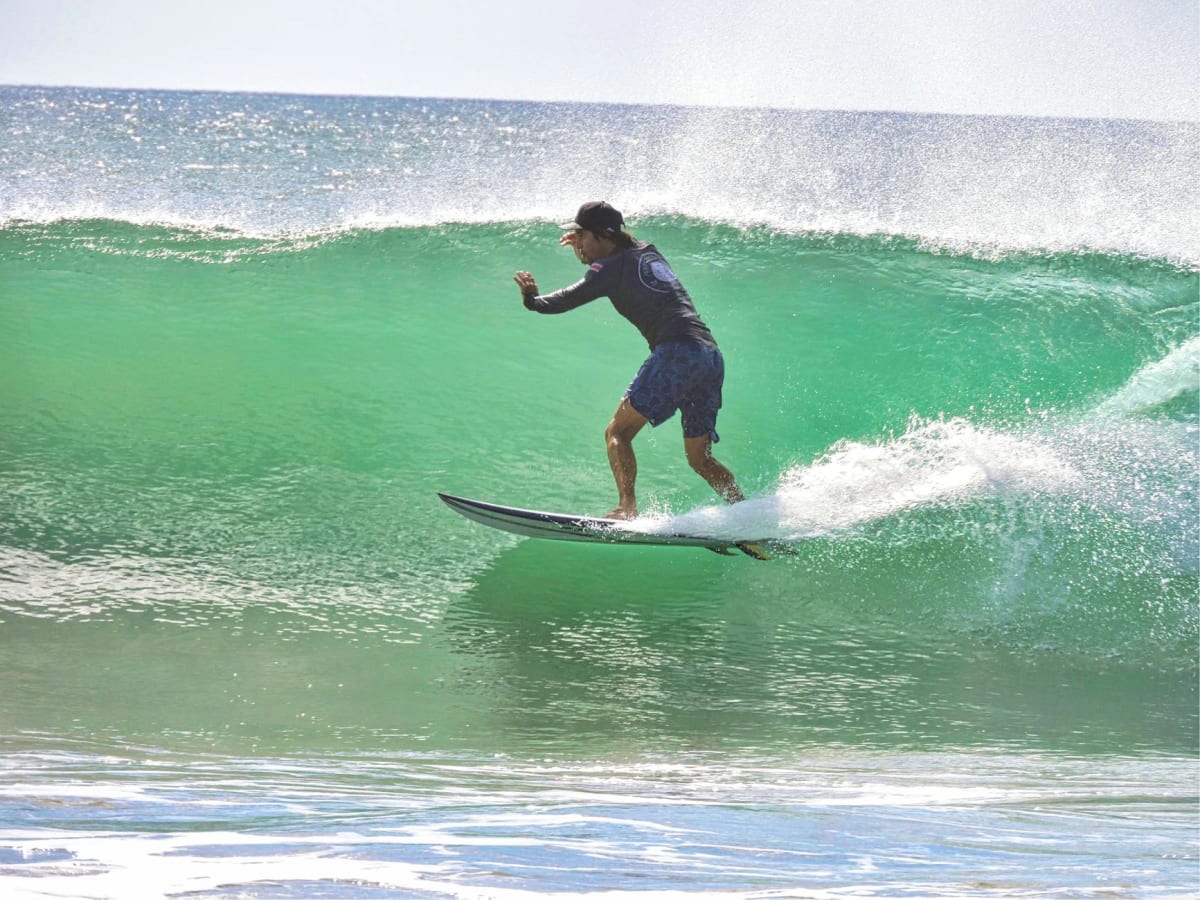
The best camp directors in Costa Rica treat the program like periodized athletic training, not casual tourism. A legitimate week-long camp should progress your paddle fitness on day one, your pop-up and balance on days two and three, and your wave selection and positioning from days four through seven. If a camp isn't systematically building skills, you're not learning—you're just getting wet.
The rainy season (May–November 2026) is genuinely better for progression than the dry season. Yes, you'll see afternoon showers, but the morning glass-off periods are longer, the water is cleaner (rain clears sediment), and there are fewer tourists. Camp instructors have more availability, and you're not fighting thirty other students for instructor attention.
Temperature matters more than most beginners realize. Caribbean water stays around 80–82 degrees year-round, so you can focus entirely on learning rather than fighting hypothermia. Pacific water is also warm, but the Caribbean is more forgiving for longer sessions. If you're booking your first camp and tend to get cold easily, choose the Caribbean.
Accommodation within walking distance of the break itself is worth the extra cost. You're not a tourist—you're an athlete. Having the ability to paddle out before sunrise or catch an evening session while light remains adds ten extra sessions per week that you wouldn't get if you're spending an hour in a shuttle van each way.
Getting There: Flights and Logistics
Most surf camps are a short transfer from one of two main gateways: San José International (SJO) on the Pacific side, or Liberia International (LIR) in the north. Liberia is closer to Tamarindo and the northern camps, while San José serves the central and southern coasts. Search flights to Costa Rica on Skyscanner to compare pricing across both airports—sometimes flying into Liberia saves you two hours of transfer time.
Most camps include airport pickup as part of their package. If they don't, the shuttle services are reliable and cost roughly $40–60 each way. Plan your arrival for late morning if you're hitting a camp that starts instruction the next day. Jet lag is real, and paddling out tired is how injuries happen.
What to Pack (and What You Don't Need)
Camps provide boards, wetsuits (for the few colder months), and basic safety gear. Bring minimal wax and a personal rashguard—your preference matters more than camp standards. A waterproof camera or GoPro is worth the space; camp instructors often record sessions for analysis, and you'll want your own footage. Sunscreen is non-negotiable. The tropical sun is deceptive, and a bad burn on day three means day four, five, and six are miserable.
Avoid overpacking. You'll be wet most of the day, your clothes will smell like salt and board wax, and laundry service is included at every legitimate camp. Bring three days' worth of dry clothes and let the camp handle the rest.
The Real Reason to Go Now
The window for booking a quality camp is narrowing. The best operations have consistent repeat instructors, controlled group sizes, and methodical progression sequencing. As Costa Rica's reputation grows, camps are either staying small and raising prices, or scaling up and diluting quality. The sweet spot for value and instruction quality is the shoulder season (May–June 2026 and September–October 2026)—fewer tourists, more instructor availability, and wave conditions are either consistent (May–June on the Pacific) or just starting to improve (September–October on the Caribbean).
Advanced surfers specifically should book for July through September 2026. This is when consistent Southern Hemisphere swells wrap around, the water is warmest, and the rainy afternoons clear the lineups while improving wave shape and definition.
Search Epic Trips for current Costa Rica conditions before booking. The platform's real-time wave data and historical condition patterns will show you exactly which coast and which camp timing align with your skill level and schedule. A week well-timed is a week that genuinely advances your surfing. A week poorly planned is just an expensive vacation.
Plan Your Trip to Costa Rica
Ready to experience it for yourself? Here's everything you need to book your adventure:
Flights
Search flights to Costa Rica on Skyscanner
Where to Stay
Browse hotels in Costa Rica on Booking.com