
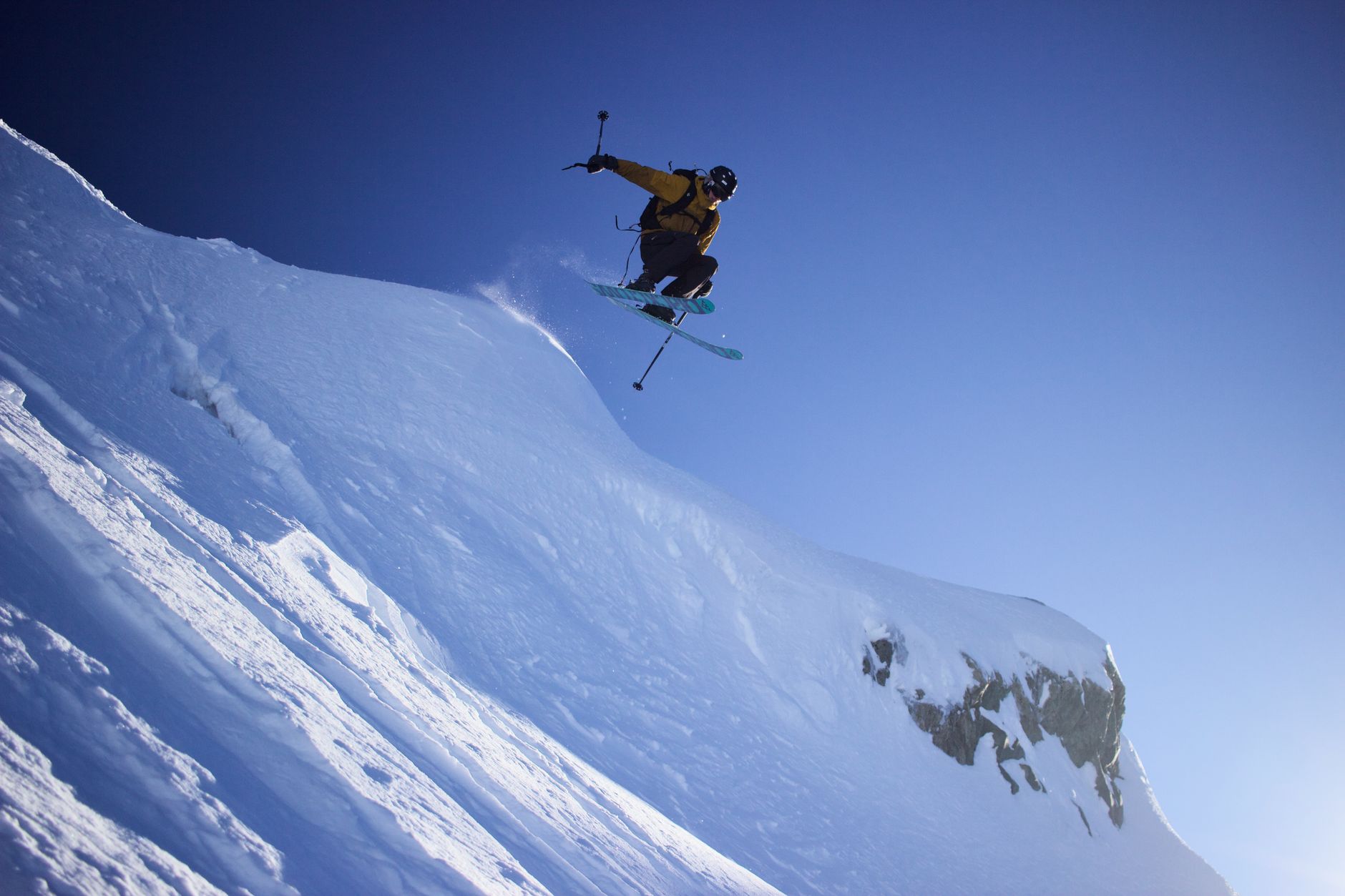
Winter 2026/27 Backcountry Ski Tour Forecasting: Where Snowpack Will Be Most Stable
Backcountry ski touring demands more than fitness and technical skill—it demands respect for avalanche terrain and the discipline to match your equipment choices to actual snowpack conditions. The difference between a safe, rewarding descent and a life-altering mistake often comes down to how well your beacon responds in critical seconds, how reliably your skins grip variable snow, and whether your probe can quickly confirm what your eyes suspect. Winter 2026/27 will bring its own regional snowpack patterns. By combining historical data with real-time Epic Score avalanche assessments, you can identify which ranges—the Selkirks, the Tetons, the San Juans—will offer the most stable conditions during specific windows in December 2026 and January 2027. This guide focuses on gear selection, tour selection, and partner operators that prioritize safety first.
Understanding Regional Snowpack Stability: December 2026 and January 2027
Early winter (December 2026) in the Selkirks of British Columbia typically builds a thinner, more reactive snowpack. Late-season stable bases from 2026 spring melt often reset, and new snow bonds inconsistently to steep north-facing terrain. January 2027 is different: by mid-winter, persistent cold and accumulated snow depth create more predictable layering. The San Juans of Colorado see a similar pattern, though higher elevation and drier continental snow allow slightly faster settling. The Tetons occupy a middle ground—maritime influence from the Pacific creates variable bonds, but January 2027 typically offers stable windows during high-pressure systems.
Before booking any tour, consult the Selkirks Epic Score, Tetons Epic Score, and San Juans Epic Score to cross-reference current avalanche danger ratings with your skill level and intended tour dates. Then select your gear setup accordingly.
Avalanche Safety Gear: The Non-Negotiable Foundation
No skins or skis matter if you cannot locate a buried partner in minutes. Avalanche transceivers (beacons) are the single most critical piece of equipment, and they vary significantly in speed, interface complexity, and reliability under stress.
The Pieps DSP Sport ($400–450) is a three-antenna transceiver designed for ski tourers who want fast, intuitive search without the learning curve of older two-antenna models. Its directional arrows guide rescuers straight to a buried victim, and the interface survives gloved operation in whiteout conditions. Best for intermediate to advanced tourers who tour regularly and can practice quarterly.
The BCA Tracker DTS ($350–380) strips features down to essential search capability. It's lighter, battery-efficient, and easier to master for skiers who tour sporadically. The trade-off: slightly slower pinpointing in complex burial scenarios. Ideal for beginners and intermediate tourers committed to formal avalanche training.
Whichever beacon you choose, practice searching monthly during winter 2026/27. Muscle memory under stress saves lives.
The Black Diamond Ultralite Probe ($50–65) deploys in seconds and reaches victims at typical burial depths (1–2 meters). Its 240-centimeter length and aluminum construction balance weight against reliability. Every touring pack needs one, and backups should stay with your partner.
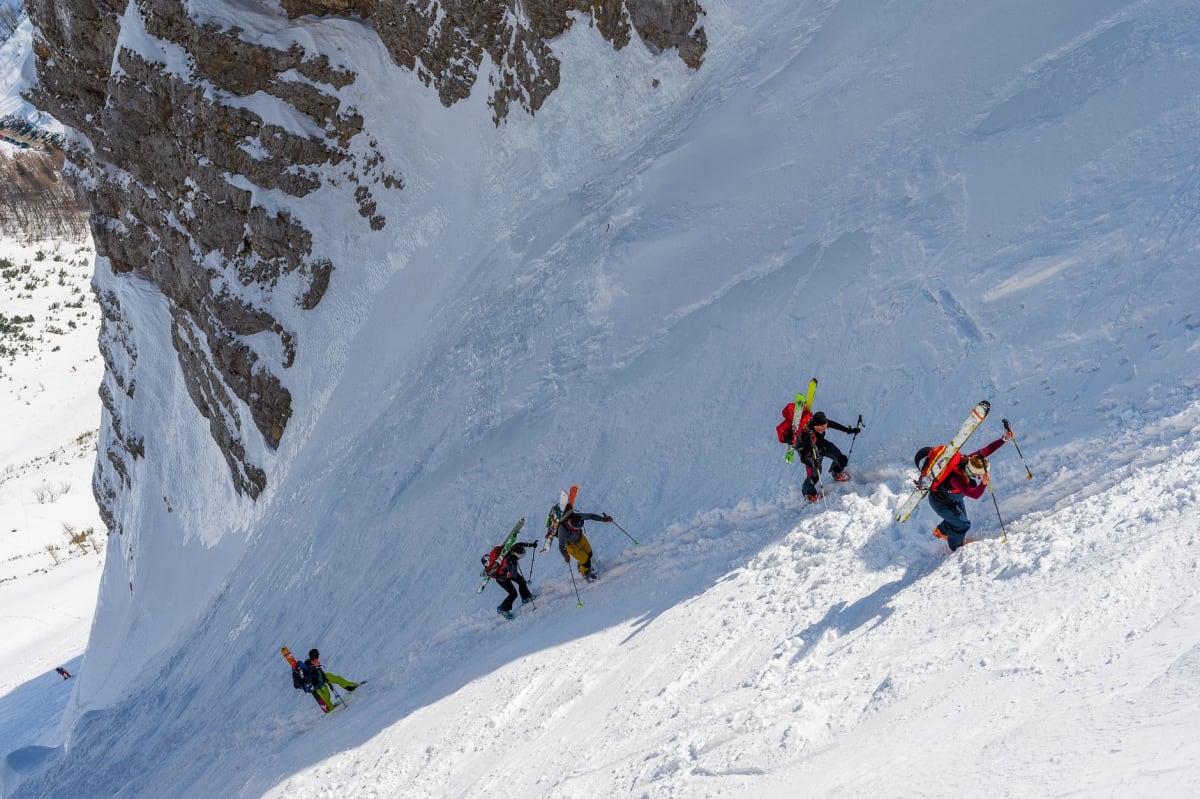
Avalanche airbags like the ORTOVOX AVABAG ($600–800) deploy a balloon that keeps you higher in the slab if caught—statistically improving survival odds in large slides. They require training and regular maintenance (inflator checks every season), but the data supports them for tours in high-consequence terrain. Consider one if you're skiing the north-facing chutes of the Selkirks or remote San Juan bowls.
Skins and Climbing Systems: Matching Snow Conditions to Adhesive Performance
Climbing skins' grip depends on snow temperature and crystal structure. December 2026 snow is often transformed and icy; January 2027 powder is softer and more forgiving. Your skin choice should reflect the conditions you expect on tour dates.
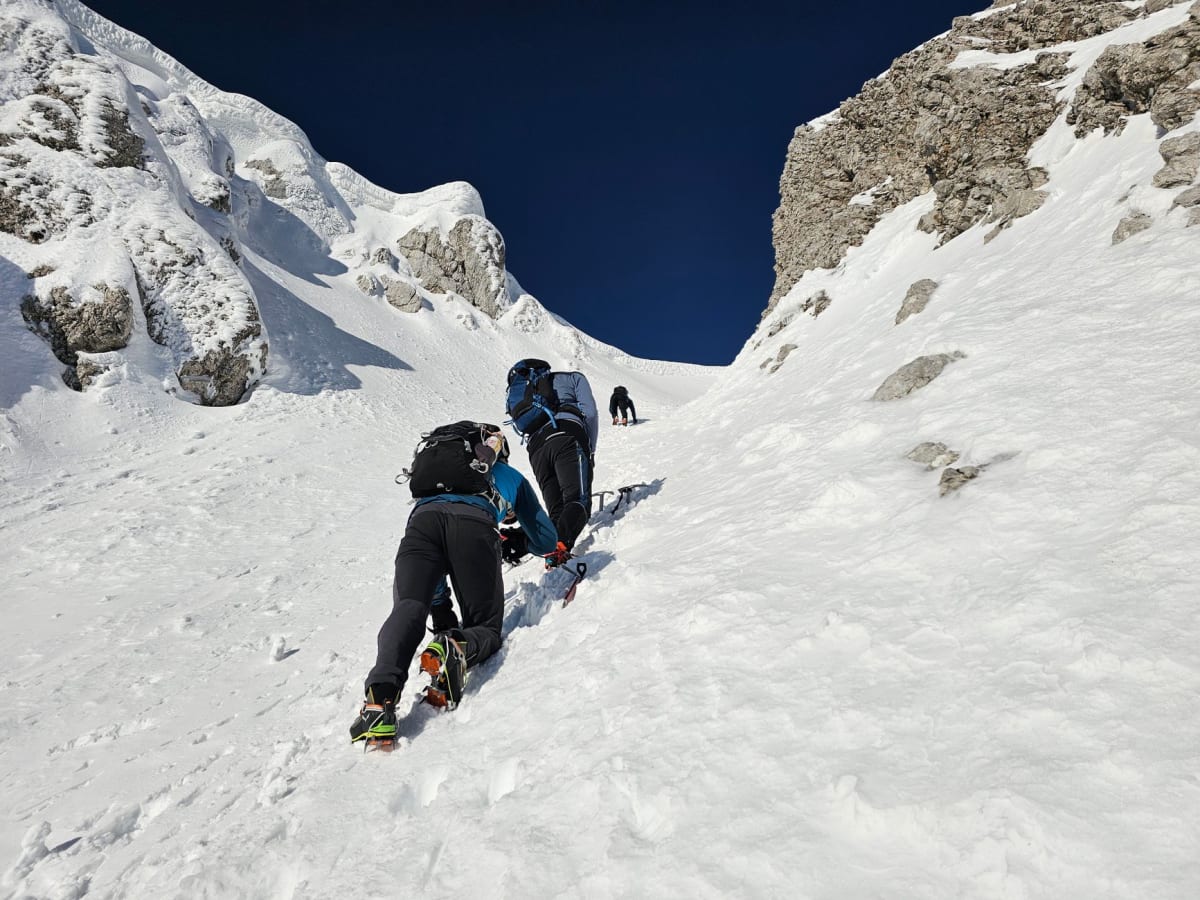
The Pomoca Climb Pro ($200–240 per pair) uses mohair-synthetic blend that excels in variable, icy conditions typical of early December 2026 ascending. The sticky compound grips transformed snow and frozen crust without balling up. Choose these if your tour calendar prioritizes December 2026 or early January 2027 in the Tetons.
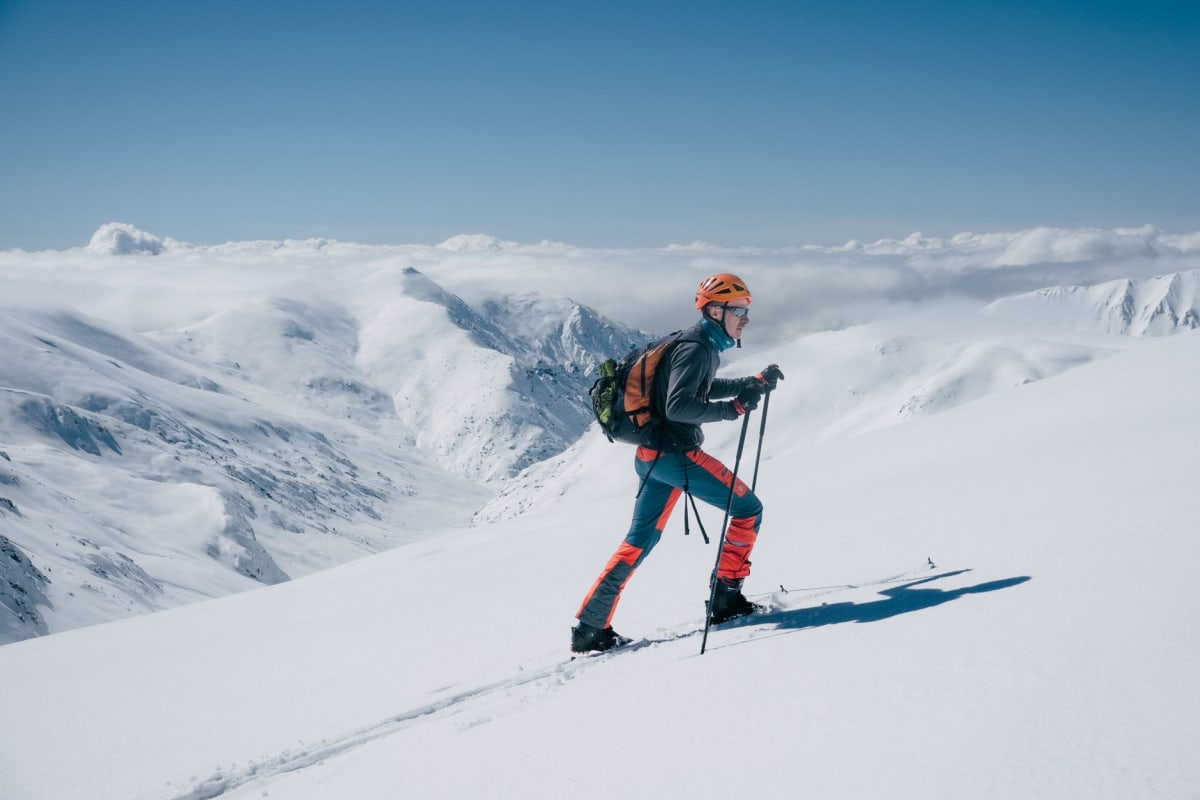
The G3 Alpinist ($180–220) is a pure synthetic offering lighter weight and faster drying—practical if you're changing skins between descents or touring at high altitude in the San Juans. It's slightly less grippy on ice but more durable across long traverses. Mid-winter (January 2027) conditions favor synthetics when snow stabilizes.
Rent skins for your first tour. Borrowing or renting lets you test different widths and adhesive formulations without a $250 commitment, and your guide can recommend the specific type for that day's snowpack.
Skis and Bindings: Weight, Release Sensitivity, and Descent Control
Backcountry skis weigh 300–500 grams less than resort skis, with narrower waists (80–95mm) for efficient climbing. Bindings must release uphill (for skin climbing) and downhill (for safety), but not so sensitively that variable snow triggers false releases.
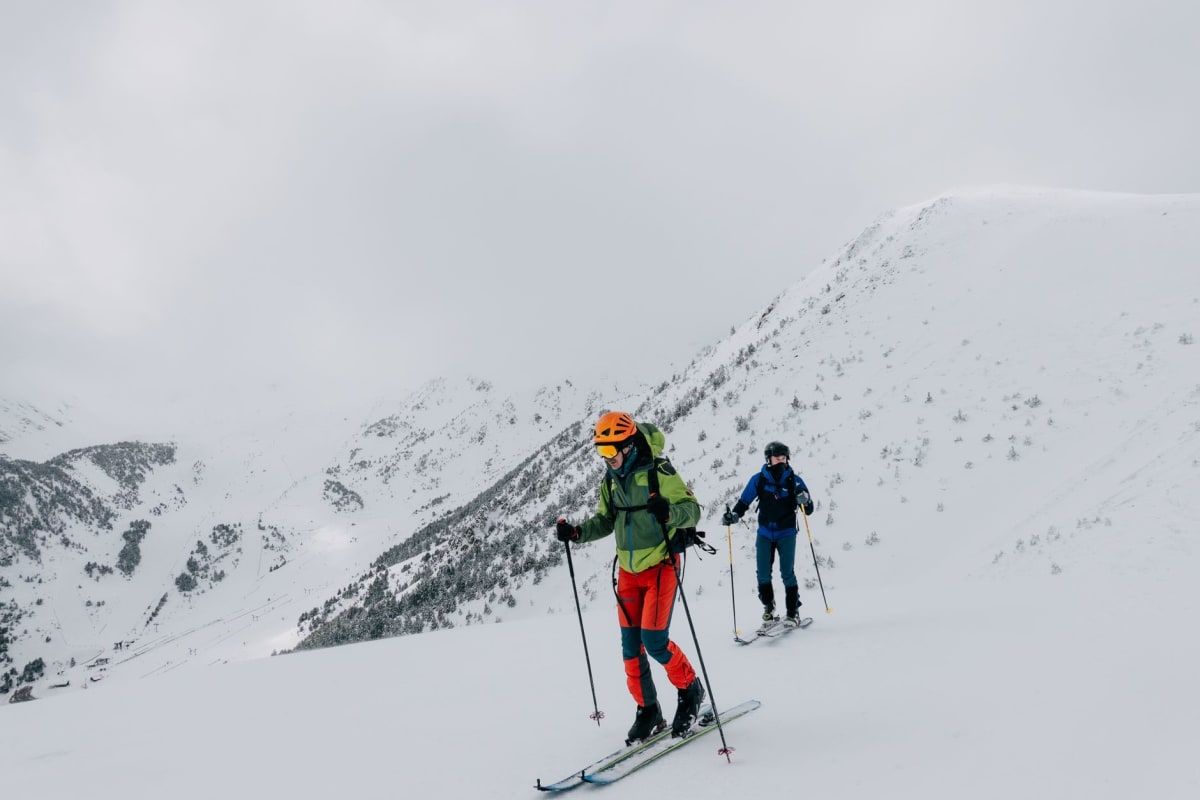
The Dynafit Radical FT 21 ($450–500) is the standard for intermediate tourers. Its tour/resort mode toggle lets you lock the heel for descent safety while releasing cleanly in a fall. The design survives multiple seasons and tolerates sloppy technique. Best for skiers doing 10–20 tours per winter 2026/27 season in the Selkirks or San Juans.
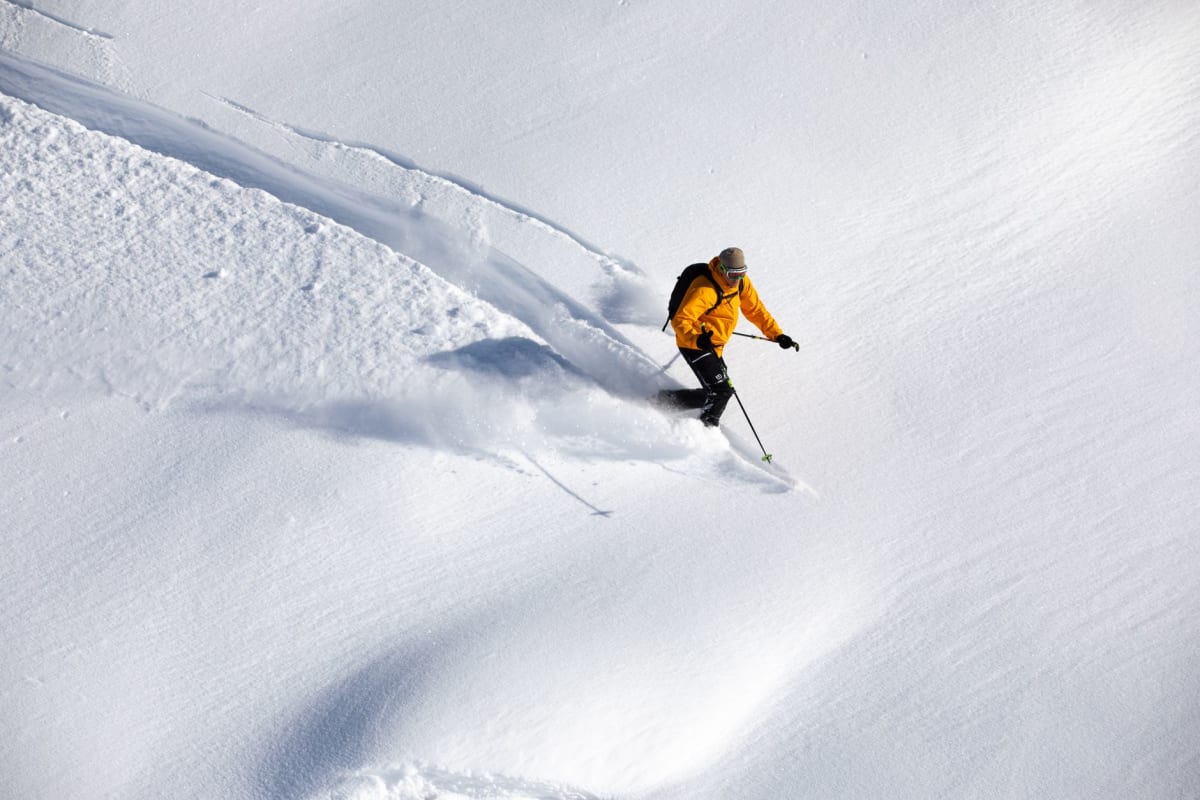
The Marker Alpinist ($500–550) is heavier but offers superior downhill hold and lateral release—critical if you're skiing steep, variable terrain. The heel lock engages positively and won't creep during long descents. Choose this if your January 2027 plan includes sustained steep skiing (40+ degrees) rather than touring meadows.
For skis themselves, test-drive rentals before committing to purchase. A 90mm-waist ski in mid-length (165–172cm, depending on your height and weight) handles Selkirk powder and San Juan chutes equally. Expect to pay $1,800–2,400 for a quality used or new setup; renting costs $40–60 per day, making the math simple for skiers with fewer than 20 tour days annually.
Boots and Bindings Integration: Comfort on 8-Hour Climbing Days
Backcountry boots must walk uphill efficiently and ski downhill securely. They're stiffer and heavier than resort boots but far more versatile than hiking boots.
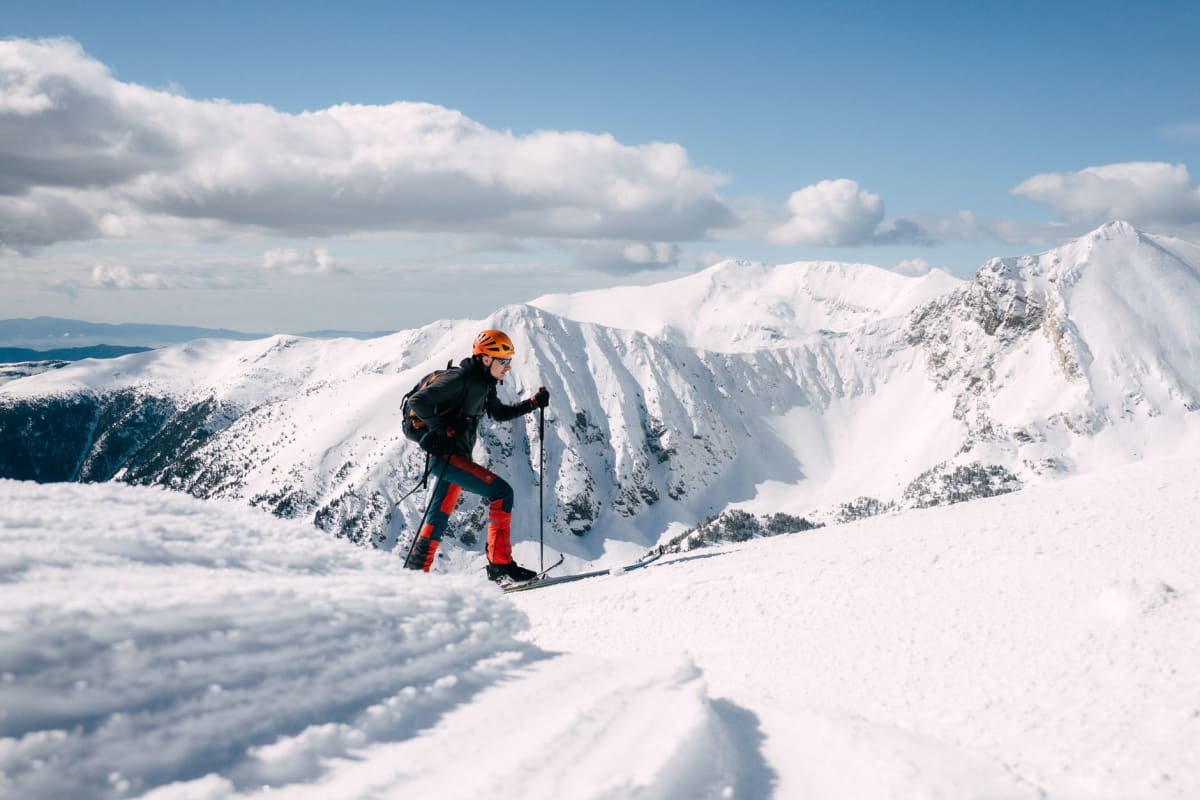
The Scarpa Maestrale XT ($550–600) combines a cuff that locks for descent with ankle flexibility for climbing. The insulated lining keeps feet warm in January 2027 cold, and the wide toe box tolerates thick socks. A solid choice for skiers with narrow to medium feet doing mixed terrain.
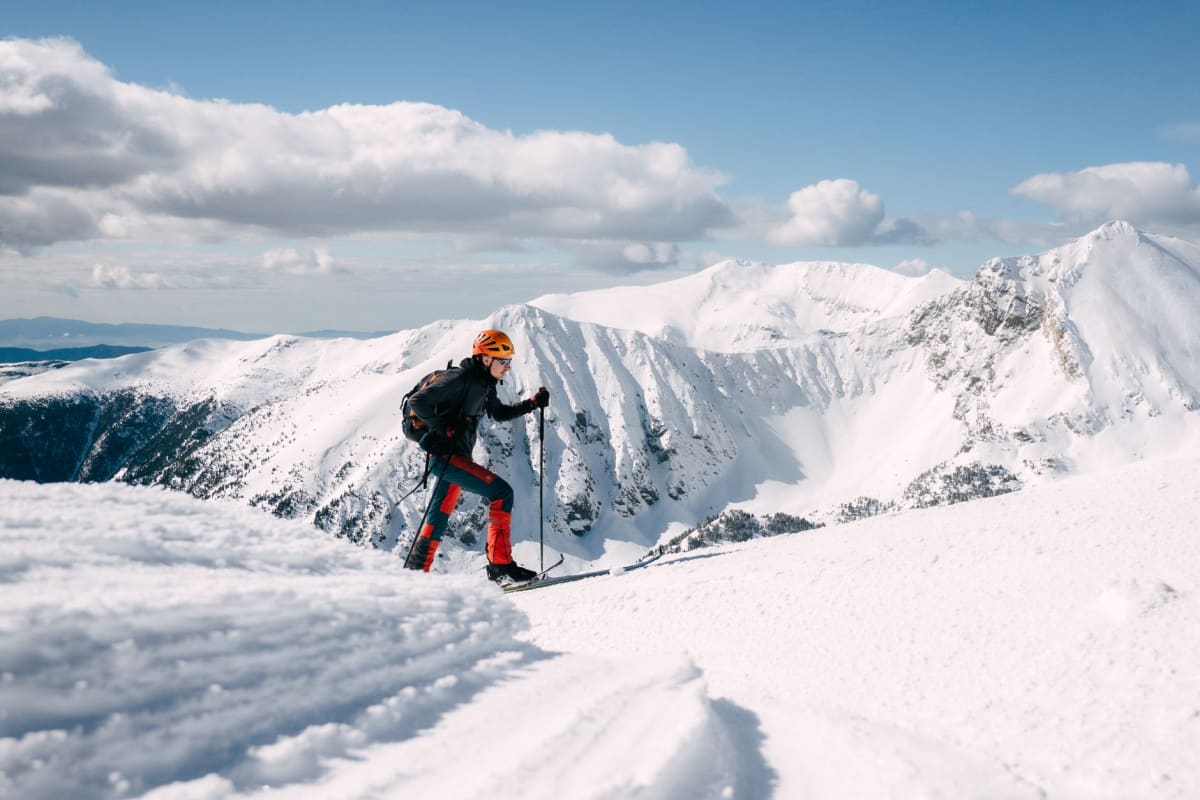
The La Sportiva Solar ($480–540) is lighter (saving 150 grams per boot compared to stiffer models), ideal if you're covering 2,000+ vertical feet per day. The trade-off: slightly less downhill support on variable terrain. Best for fit skiers doing high-volume December 2026 or January 2027 tours in the San Juans.
Layering and Protection: December 2026 and January 2027 Conditions
December 2026 often brings transitional weather—freeze-thaw cycles, wind slab formation, and rapid temperature swings. January 2027 locks into consistent cold. Your clothing strategy must adapt daily.
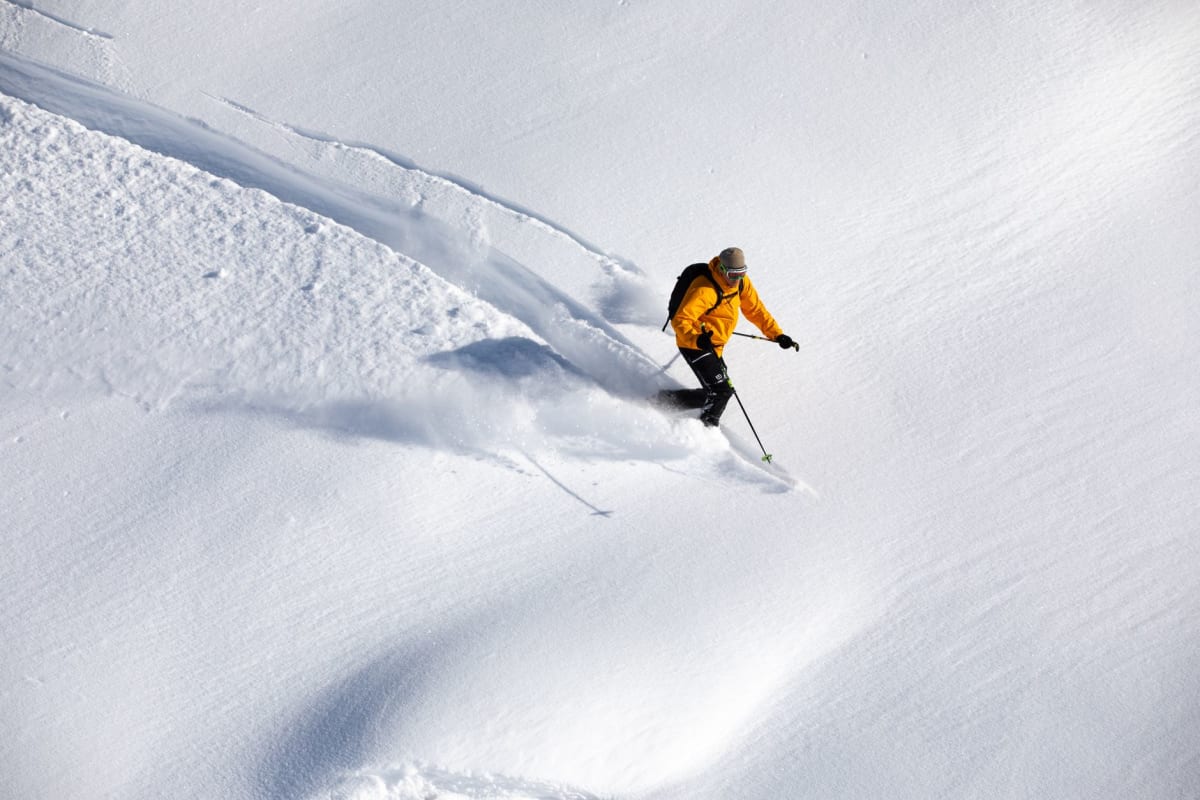
The Patagonia Nano-Air Light Hybrid ($329) layers under shells for climbing and insulates during descents. Its stretch side panels don't restrict arm movement during skinning. Carry one in your pack on every December 2026 or January 2027 tour; you'll use it on 80% of descents.
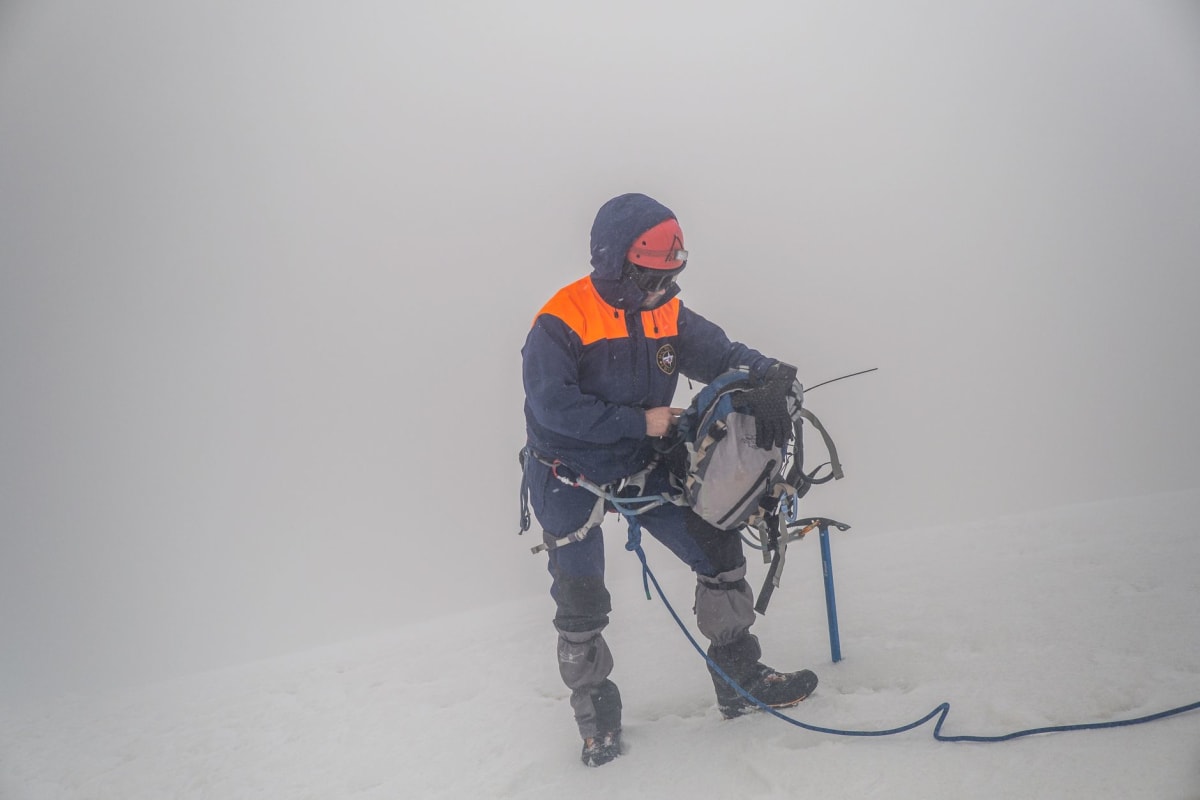
A hardshell like the Arc'teryx Beta SL ($425) weighs 9 ounces and handles wind-driven snow without absorbing moisture. Gore-Tex lining breathes during climbs and sheds sleet on descent. Essential for Selkirk tours, where wind-loaded terrain is constant.
For legs, a lightweight insulated pant ($200–280) under a shell pant ($300–400) gives you flexibility to shed layers during climbs and add protection on windy ridges. Merino wool base layers ($80–120) stay warm when wet—critical for January 2027 touring when skin moisture and snow spray are inevitable.
Selected Tour Operators and Guide Services by Region
Booking a guided tour in December 2026 or January 2027 ensures you're paired with someone reading daily avalanche forecasts and terrain stability in real time. Two solid options:
Raven's Craig Ski Tours (Selkirks, British Columbia) specializes in December 2026 early-season ski touring. Their guides navigate variable snowpack and teach beacon proficiency in live scenarios. Plan for $400–550 per day (includes guide, route planning, and safety briefing). Intermediate to advanced skiers; prior backcountry experience required.
Exum Mountain Guides (Grand Teton, Wyoming) runs January 2027 tours when Teton snowpack stabilizes. Their multi-day itineraries include glacier travel and exposure management. Expect $800–1,200 per day for groups of three to four. Intermediate skiers with mountaineering background preferred; beginners can join foundation courses (five days, $2,800).
Recommended Tour Itineraries by Skill Level and Date
December 2026 (Early Season, Intermediate Level): Saddleback Col, Selkirks. Vertical gain: 1,600 feet, descent: 1,200 feet. Terrain: open meadows transitioning to gullies. Avalanche risk: moderate to considerable depending on weather. Best paired with a guide who reads daily snowpack layering. Expect to encounter wind slab and variable adhesion—ideal for testing skin grip and descent control on gentle slopes.
January 2027 (Mid-Winter, Advanced Level): Middle Teton Ski Descent, Grand Tetons. Vertical gain: 3,100 feet, descent: 3,000 feet. Terrain: alpine couloirs and open snowfields. Avalanche risk: considerable in loaded terrain; low to moderate on north-facing traverses. Only for skiers with 20+ prior touring days and solid beacon-search competency. Hire a Teton guide; the terrain is unforgiving and snowpack feedback is constant.
January 2027 (Mid-Winter, Intermediate Level): Columbine Lake Loop, San Juans. Vertical gain: 2,000 feet, descent: 1,800 feet. Terrain: subalpine forest-to-meadow transitions. Avalanche risk: low to moderate; minimal cliff hazard. Excellent for building January 2027 confidence and practicing skin transitions in variable mid-winter snow. Accessible as a self-guided tour if you have solid avalanche training.
What to Buy vs. What to Rent
Buy: Beacon, probe, boots, skins (or rent skins for first two seasons). These are personal-fit items that define your safety margins and comfort on all-day climbs. Total investment: $1,200–1,600.
Rent: Skis, bindings, shells, and insulation layers until you've completed 15+ tours and know your preferences. Renting spreads cost across seasons and lets you test gear in real conditions before committing. Budget $50–80 per day for full ski-and-boot rental.
Packing Checklist for December 2026 and January 2027 Tours
- Beacon, probe, shovel (in pack)
- Climbing skins and skin waxing cloth
- Insulated jacket and shell pant
- Merino wool base layers (top and bottom)
- Insulated gloves and liner gloves
- Wool hat and neck gaiter (carry two sets)
- Goggles and sunglasses
- Sunscreen and lip balm (SPF 30+)
- Snacks (high-calorie: nuts, dried fruit, energy bars) and 2–3 liters water capacity
- Map and compass (paper, not digital only)
- Headlamp with extra batteries
- First aid kit (blister treatment, pain relief, tape)
- Repair kit (binding screwdriver, spare ski strap, duct tape)
- Avalanche transceiver batteries (extras in warm pocket)
- Emergency whistle and lighter
Gear Cost Summary: Budget, Mid-Range, and Premium Tiers
Budget Tier (Beginner, Guided Tours Only): Rented skis and boots ($60/day), borrowed or rented beacon and probe ($30/day), borrowed insulation layers, hired guide ($400/day). Total per day: $490. Total for 5-day December 2026 trip: $2,450 plus travel.
Mid-Range Tier (Intermediate, 10–15 Tours Per Season): Own boots ($550), own beacon ($400), own probe ($60), own skins ($220), rented skis/bindings ($60/day), own insulation ($600 total), hired guide for December 2026 early-season tour ($500/day) and self-guided


