
Gear Guide — Mountain Biking
Mountain biking demands more precision and personal fit than almost any other sport. Unlike skiing or surfing—where rental quality is usually acceptable—a poorly fitted mountain bike undermines technique, safety, and enjoyment within the first hour. When traveling for a dedicated riding trip, the bike-body interface matters as much as the terrain itself. This guide covers what to buy, what to rent, and how to choose based on the kind of riding you'll pursue and your skill level.
Riding Styles: Picking Your Category
Cross-country (XC) bikes are lightweight, efficient, and designed for climbing and sustained pedaling. They excel on flowy, technical singletrack and are the standard for backcountry touring and multi-day trips.
Trail bikes split the difference—more capable than XC bikes on descents, with stronger brakes and suspension, but still nimble enough for climbing. They're forgiving for intermediate riders and work across mixed terrain.
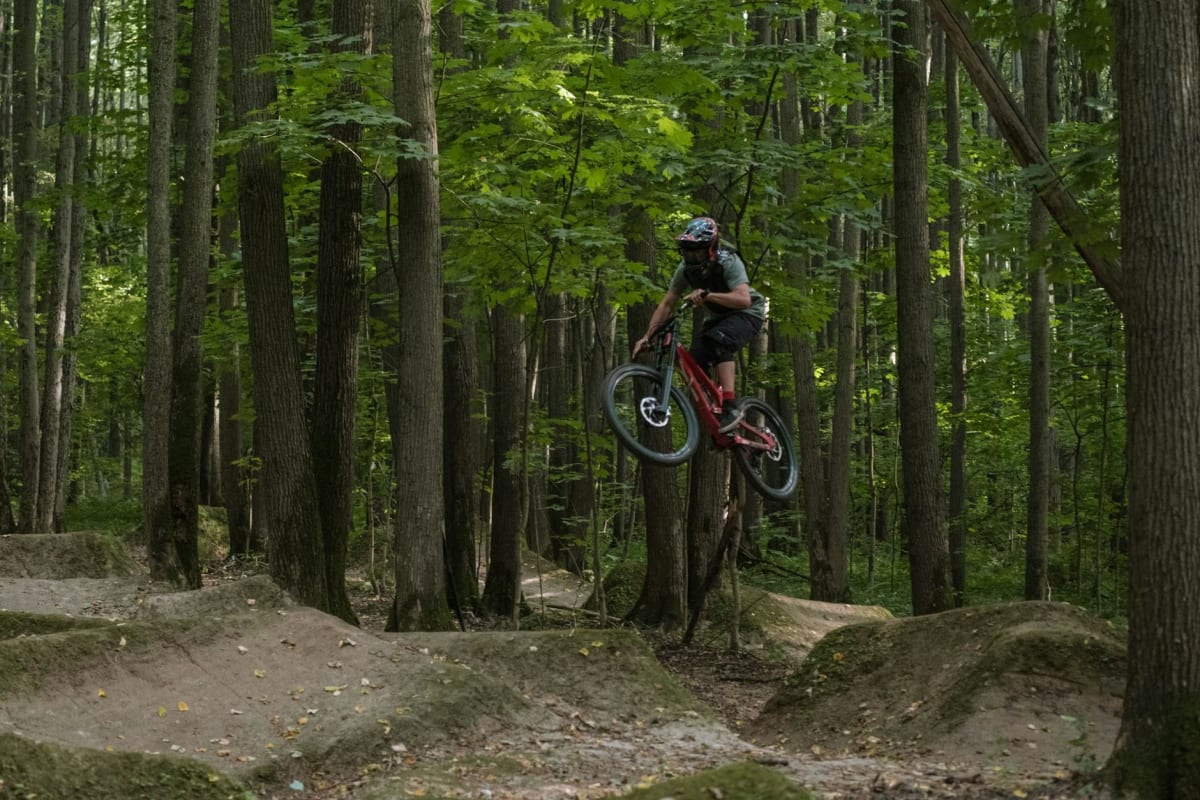
Enduro bikes favor descents without completely sacrificing climbing ability. They have longer suspension travel (140–180mm front, 130–160mm rear), slacker geometry, and stronger components. They demand more fitness and technical skill than trail bikes.
Downhill bikes are purpose-built for gravity—30+ minutes of chairlift-accessed descents. Full suspension, 200mm+ travel, slack angles, and heavy-duty brakes dominate. They're unridable uphill and require shuttle access or lift service.
Your travel destination will often guide this choice. Alpine trails near Whistler, Chamonix, or Moab require different bikes than the rolling forests of the East Coast or UK Lake District.
Gear by Experience Level
Beginner
Start with a hardtail (front suspension only) trail bike in the $600–$1,200 range. Hardtails teach you to read terrain, flow, and weight distribution without the complexity of managing rear suspension. Look for 80–100mm of front travel, modern geometry (slacker than bikes from five years ago), and a decent drivetrain (10-speed minimum).
Shoes and pedals: flat pedals with soft platforms ($50–$100) are safer than clipless for learning. You need confidence bailing. Upgrade to clipless pedals and stiff shoes ($150–$300 per pair) only once you're comfortable.
Helmet: non-negotiable. $150–$300 for a quality helmet with good ventilation and impact protection. Look for MIPS or Rotational Impact Protection technology.
Gloves: protective gloves ($40–$80) keep palms intact in crashes. Padded XC gloves are lighter; heavier enduro gloves add wrist coverage.
Intermediate
You're ready for a hardtail or short-travel trail bike ($1,200–$2,500). Modern geometry has become standard—expect 67–69° head tube angles, reach figures in the 420–450mm range, and 120–140mm suspension travel. A good aluminum or entry-level carbon frame with a decent groupset (Shimano Deore, SRAM SX, or better) will last years.
Clipless pedals are now essential. Shimano SPD-compatible pedals ($100–$200) with half-cleat shoes ($150–$250) let you unclip instantly while keeping your foot close to the platform. This is the standard for serious riding.
Protection: padded shorts ($80–$150) absorb impacts on flat terrain. Add elbow pads ($60–$120) for rockier trails. A chest protector ($150–$250) is overkill unless you're exploring very technical terrain.
Advanced / Expert
Enduro or trail bikes in the $2,500–$5,000+ range. You understand how suspension geometry, damping, and travel affect your riding. Carbon frames are standard. You can feel differences between suspension tuning, drivetrain quality, and braking power.
At this level, bike fit becomes critical. Consider a professional fit (usually $150–$300 at a local shop) to dial in saddle height, reach, and cleats. Small adjustments unlock significant performance gains.
Full protection: chest protector, padded shorts, gloves, and shin guards ($150–$300 combined). A full-face helmet ($250–$500) is worth it if you're riding steep enduro terrain or shuttle-accessed gravity trails.
Shoes and pedals: Specialized Five Ten or similar aggressive flat shoes for technical terrain, or stiff enduro shoes for clipless riding. Expect $200–$350.
Key Gear Categories and Specs
The Bike Frame
Hardtail vs. Full Suspension: Hardtails are lighter, more responsive, and easier to maintain. Full suspension absorbs big hits and gives confidence on rough descents. Hardtails suit XC and flowing trail; full suspension suits enduro and technical terrain.
Travel: Front suspension travel ranges from 80mm (XC hardtails) to 200mm+ (downhill). Mid-travel bikes sit at 130–160mm. More travel isn't always better—it adds weight and makes climbing less efficient. Match travel to terrain.
Geometry: Modern trail bikes have slack head tube angles (66–68°), longer reach, and higher bottom brackets than older models. This geometry is more stable on descents and harder to throw over the bars. Look for actual numbers on the brand's website, not vague descriptions.
Material: Aluminum is affordable, durable, and slightly heavy. Carbon fiber is lighter and more responsive but costs more and requires careful maintenance. Hardtails in aluminum ($600–$1,500) represent excellent value. Carbon frames ($2,000+) are better for enduro and XC racing.
Suspension
Front Forks: Modern air forks ($400–$1,200) are tunable—adjust air pressure for your weight, then dial in compression and rebound damping. Look for tapered steerers (1 1/8" top, 1.5" bottom) and Boost spacing (110mm or 148mm axle spacing), which are now standard.
Rear Suspension: Full-suspension bikes use either a simple hardtail-style pivot (less expensive, simpler) or a multi-pivot design (more complex, often better suspension feel). Don't obsess over linkage design; instead, test-ride and feel how the suspension behaves on your local terrain.
Drivetrain
Gearing: 9-speed (entry-level) to 12-speed (modern standard). 12-speed gives a wider range and closer gear steps, reducing the need to shift. Expect to climb in easier gears than you'd use on road.
Brands: Shimano (Deore, SLX, XT), SRAM (SX, NX, GX), and Microshift all work well. Avoid single-speed unless you're on very flowy terrain.
Chain and Cassette: Modern 12-speed cassettes offer 11–52 tooth ratios on trail bikes, dropping to 10–51 on XC. Wider cassettes make climbing easier; narrow cassettes save weight.
Brakes
Hydraulic disc brakes are universal now. Larger rotors (180mm or 203mm) offer more stopping power; 160mm is the minimum. Look for good modulation (progressive power delivery) rather than just raw stopping power.
Brands worth researching: Shimano (Deore XT/SLX), SRAM Guide, and Formula offer quality hydraulic brakes at reasonable prices. Premium options ($250+ per set) offer better modulation and weight savings but aren't necessary for trail riding.
Wheels and Tires
Wheel size: 29-inch is standard now (more efficient rolling, better terrain-reading). 27.5-inch offers a slightly nimbler feel (some riders prefer it for technical terrain). 26-inch is obsolete for new bikes.
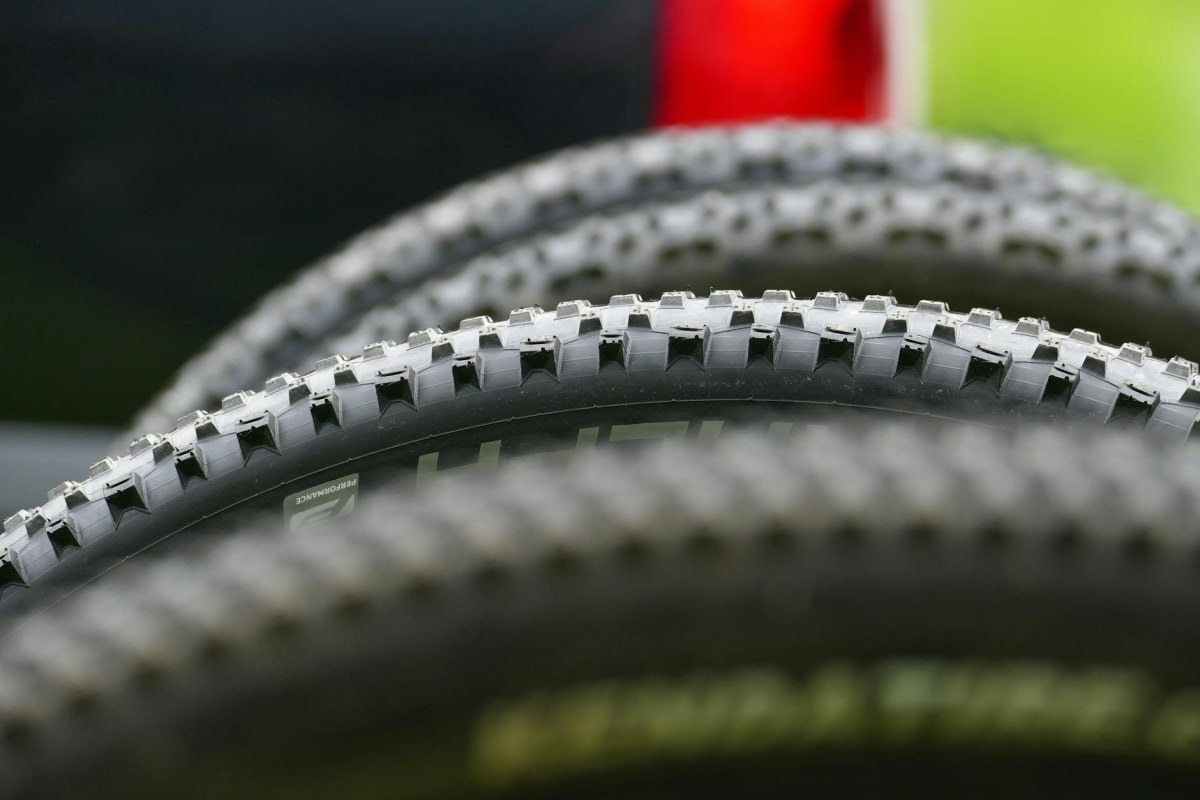
Tire width: 2.3–2.5 inches is typical for trail riding. Wider tires (2.6+) add rolling resistance but offer more grip and comfort on rocky terrain.
Tire type: Look for tires with good cornering grip (Maxxis, Schwalbe, Vittoria make solid options). Budget $60–$120 per tire.
Rims: Tubeless-ready rims are standard. Tubeless setups reduce flats and allow lower tire pressure for better traction and comfort. Conversion kits run $40–$80.
Protection and Apparel
Helmet: Buy a real helmet ($150–$300 with MIPS protection). A bike helmet isn't optional, ever.
Shoes: Flat pedal shoes ($120–$220) for technical terrain; clipless shoes ($150–$300) for XC and enduro. Five Ten is the flat-pedal standard; Shimano and Specialized dominate clipless.
Jersey and shorts: Moisture-wicking jersey ($60–$120); padded shorts ($80–$150) absorb trail impacts. Bib shorts (with straps) stay up better than regular shorts on steep terrain.
Gloves: Protective gloves ($40–$80) keep you safe in crashes. Full-finger gloves offer wrist support; half-finger gloves breathe better.
Pads: Knee pads ($80–$150), elbow pads ($60–$120), and chest protectors ($150–$300) are essential for enduro and technical terrain. Padded shorts double as basic protection.
Rent vs. Buy: A Travel Strategy
Rent the bike. When traveling to a major destination—Whistler, Moab, Lake District, Chamonix—rent locally. Quality rental shops offer recent, well-maintained bikes tuned for local terrain. Shipping a $3,000 bike risks damage; renting a bike for $50–$100 per day is far less stress. Rental shops also have local knowledge: they'll recommend trails, conditions, and hidden gems.
Buy protection and shoes. Wear your own helmet, shoes, and gloves. A helmet is non-negotiable for safety and fit. Shoes affect comfort and efficiency; your feet are too personal to rent. Gloves and pads travel easily.
Buy if you're doing multiple trips. If you're riding 4+ days or planning return trips within a year, buying a hardtail or trail bike ($1,200–$2,500) makes financial sense.
Ship your bike if it's valuable. If you own a $4,000+ bike and want to ride it abroad, use a bike shipping service (usually $200–$400 each way) or pack it in a bike travel case ($150–$400). Many airlines charge oversized baggage fees; calculate total cost before deciding.
Packing Checklist for a Mountain Bike Trip
Bike and protection:
- Helmet
- Gloves (full-finger and half-finger if possible)
- Padded shorts
- Jersey or ride shirt
- Socks (merino wool, 2–3 pairs)
- Shoes (clipless or flat)
- Jacket (waterproof or breathable windproof, depending on season)
On-bike maintenance:
- Multi-tool with Allen keys (3–6mm)
- Chain lube
- Spare brake pads (if shipping your own bike)
- Spare tube or tubeless patch kit
- Tire levers
- Portable pump
Personal care:
- Sunscreen (high SPF; reapply every 90 minutes)
- Chamois cream ($15–$25)
- First aid kit (blister treatment, bandages, antibiotic)
- Deodorant and hygiene items
- Recovery: compression shorts, foam roller, or massage gun
Optional by destination:
- Fenders (muddy seasons, late fall/spring)
- Platform pedals and flat shoes (learning phase or very technical days)
- Knee or elbow pads (rocky terrain or advanced difficulty)
Price Ranges: Budget, Mid-Range, Premium Builds
Budget Build ($1,200–$1,800):
- Aluminum hardtail frame, 100mm travel, modern geometry
- Shimano Deore 10-speed drivetrain
- Hydraulic disc brakes, 160mm rotors
- Aluminum alloy rims, tubeless-ready
- Helmet, gloves, jersey, shorts, shoes
- Total: around $1,500 with used gear or sales
Mid-Range Build ($1,800–$3,500):
- Aluminum trail bike, 130mm suspension, or entry-level carbon hardtail
- Shimano SLX or SRAM NX 11–12 speed
- Hydraulic disc brakes, 180mm rotors
- Better tires, wider range of gearing
- Good protection (padded shorts, elbow pads, helmet)
- Total: $2,500–$3,000
Premium Build ($3,500–$6,000+):
- Carbon full-suspension trail or enduro bike, 140–160mm travel
- Shimano XT/SLX or SRAM GX Eagle 12-speed
- Premium brakes (Shimano XT, SRAM Guide), 203mm rotors
- Carbon wheels, high-quality tubeless tires
- Full protection suit, premium shoes, helmet with MIPS
- Total: $4,500–$6,000+
Finding Local Knowledge at Your Destination
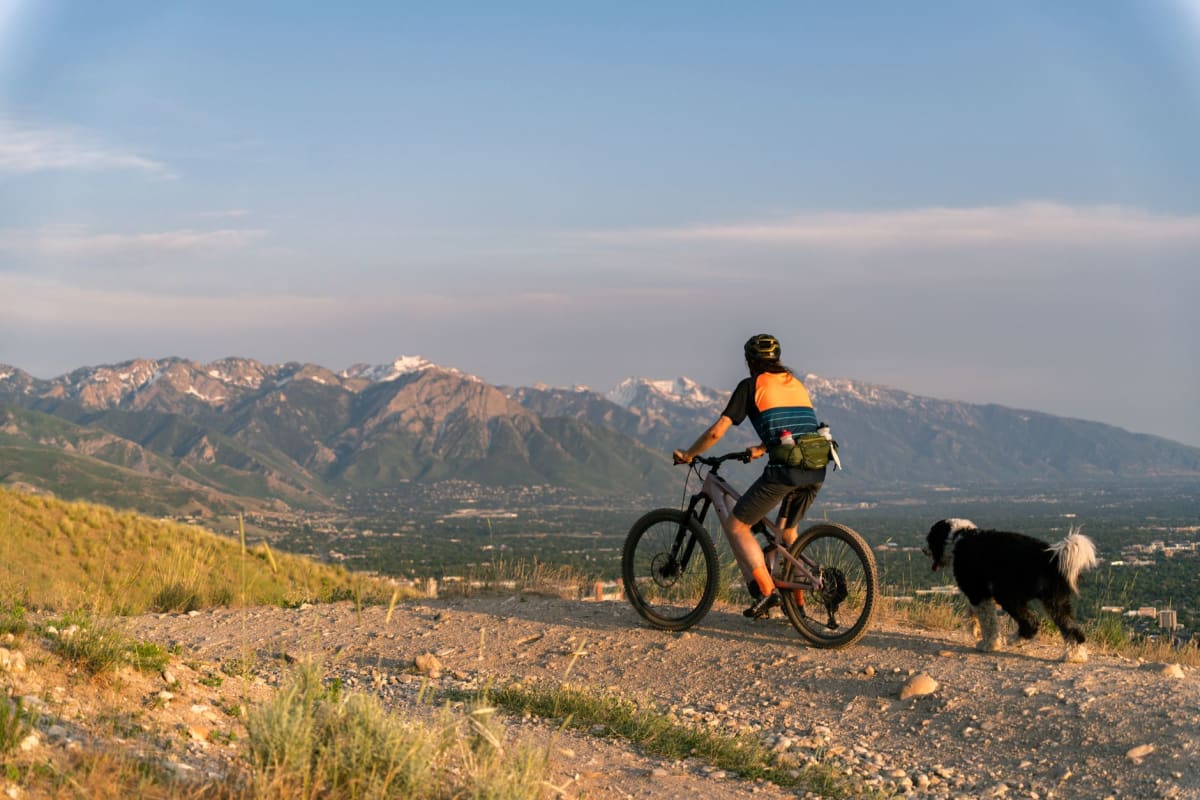
Before you arrive, reach out to local bike shops or guides. Most mountain biking destinations have active shops staffed by locals who know conditions, skill levels, and hidden trails. They'll rent you the right bike and offer beta that no guidebook covers.
Major destinations have established communities: Whistler Bike Park (whistlerblackcomb.com) has official trails and shuttle services; Moab visitor center can connect you with local guides; European resorts in France and Switzerland list sanctioned bike parks and guides. Join local Facebook groups or Reddit forums—riders are generous with current conditions and recommendations.
Test-ride before committing to buy. Most shops let you demo bikes; spend 20 minutes on local terrain before signing a rental agreement. A bike that feels sluggish or twitchy in the first 500 feet won't improve.
Respect local trail etiquette: yield to hikers, walk sections you can't ride cleanly, and report trail damage. The mountain biking community is tight; your reputation as a visiting rider matters.