
Winter 2026/27 Backcountry Ski Planning: How to Read Snowpack Forecasts Like a Guide
Backcountry skiing in the December 2026–February 2027 season demands more than waxed edges and strong legs. It demands respect for snowpack stability, and that respect begins long before you clip into your bindings. The difference between a safe, rewarding tour and a dangerous one often comes down to a single decision made three days before you leave—reading a forecast correctly and choosing your destination, timing, and guidance level accordingly.
This guide teaches intermediate skiers how to decode avalanche forecasts, interpret Epic Score stability data, and match your gear selection to real snowpack conditions. We'll walk through a case study showing why January 2027 in the Tetons presents a fundamentally different risk profile than December 2026 in the Cascades. You'll learn when hiring a guide is non-negotiable, when you're ready to go out with a trusted partner, and how your equipment choices shift based on what the snowpack is actually telling you.
Understanding Avalanche Forecasts and Snowpack Models
Before you touch your skis, you need to read the Avalanche Forecast for your intended region. In North America, the Collaborative Avalanche Forecasting System (CAFS) publishes daily bulletins for areas like the Cascades, the Northern and Central Rocky Mountains, and the Tetons. Each bulletin assigns a danger rating (1–5) and describes the specific avalanche problem: wind slab, persistent weak layer, wet loose, or depth hoar.
The critical move is reading why the forecast says what it says. A Level 2 Moderate danger in December 2026 often stems from early-season wind slab—snow that has been scoured from exposed ridges and deposited as stiff, breakable slabs on lee slopes. This problem typically resolves or becomes predictable within a few hours of solar gain. January 2027 brings a different story: by then, buried persistent weak layers (often surface hoar or depth hoar from early December) are festering several feet below the surface. A Level 2 in January can hide a much deeper, more reactive problem. Same danger rating, utterly different terrain choices.
The Avalanche Forecasting Community → maintains region-specific bulletins you should check 5–7 days before your trip. Cross-reference those with Epic Score's stability data for your specific zone. Stable terrain (north-facing, below treeline, wind-protected slopes under 30 degrees) can be safe even at Level 2. Reactive terrain (wind-loaded gullies, convex rollovers, south-facing aspects in late afternoon) demands Level 1 Minimum.
Gear for Reading Conditions: The Forecasting Tools
You cannot read what you cannot see. A solid shear card (or stability test kit) lets you dig and assess the snowpack in real time. Standard kits include a compression test frame, a shear card, and a depth ruler. Practicing these tests before December 2026 is non-negotiable. Check CAIC's snow study guides → for free, detailed instruction on compression tests and Extended Column Tests (ECT). Budget 40–80 USD for a basic kit if you're buying; most ski shops rent them.
Bring a small notebook and waterproof pencils. Log what you find: crystal types, weak layers, bond quality, and the test results. Over several tours in December and January, you'll build intuition for how the specific snowpack in your region behaves. This is how guides develop their decision-making edge.
Avalanche Safety Gear: Non-Negotiable Equipment
An avalanche beacon (transceiver), probe, and shovel are the absolute minimum. You do not negotiate here. The Ortovox Beacon 3 (370–450 USD) is a dual-frequency transceiver with a reliable switch mechanism, fast search function, and enough battery life for a full season. Ortovox's interface is straightforward; the three-antenna design handles deep burials well. If you're new to beacons, practice in September 2026 with a guide or mentor until burial searches become muscle memory.
The Black Diamond Tour Shovel (100–130 USD) is lightweight (under 3 pounds) and durable. An aluminum shaft collapses into a compact pack bundle; the scoop is large enough for excavation but not so heavy you'll resent carrying it uphill. Pair it with a Black Diamond Carbon Probe → (50–70 USD), which assembles fast and is rigid enough for accurate probing even in dense consolidated snow.
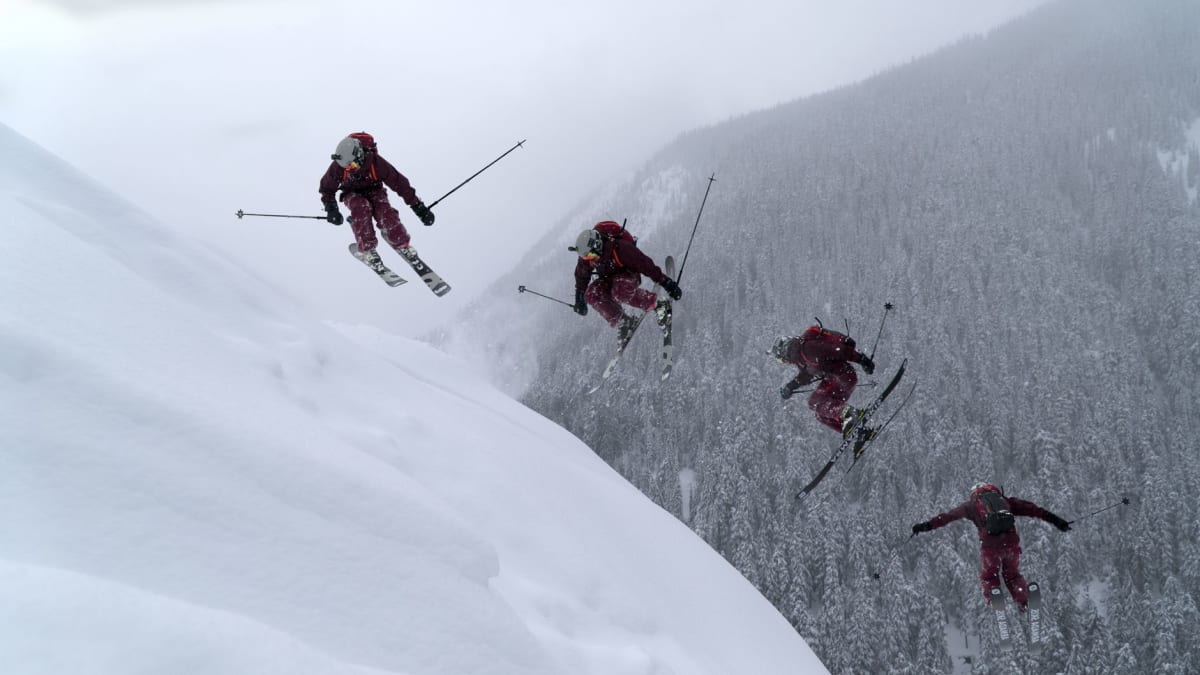
An avalanche airbag vest (pack with integrated airbag) is strongly recommended for December 2026 and mandatory for January 2027 tours in avalanche terrain. The Mammut Removable Airbag System (RAS) (650–800 USD) lets you carry a 20-liter pack on non-avalanche days and swap in the airbag cartridge for committing terrain. Studies show airbags increase survival odds by about 25 percent if you deploy correctly and quickly. Practice deployment on flat ground until your fingers know the motion.
Skis and Bindings: Matching Equipment to Terrain and Risk Level
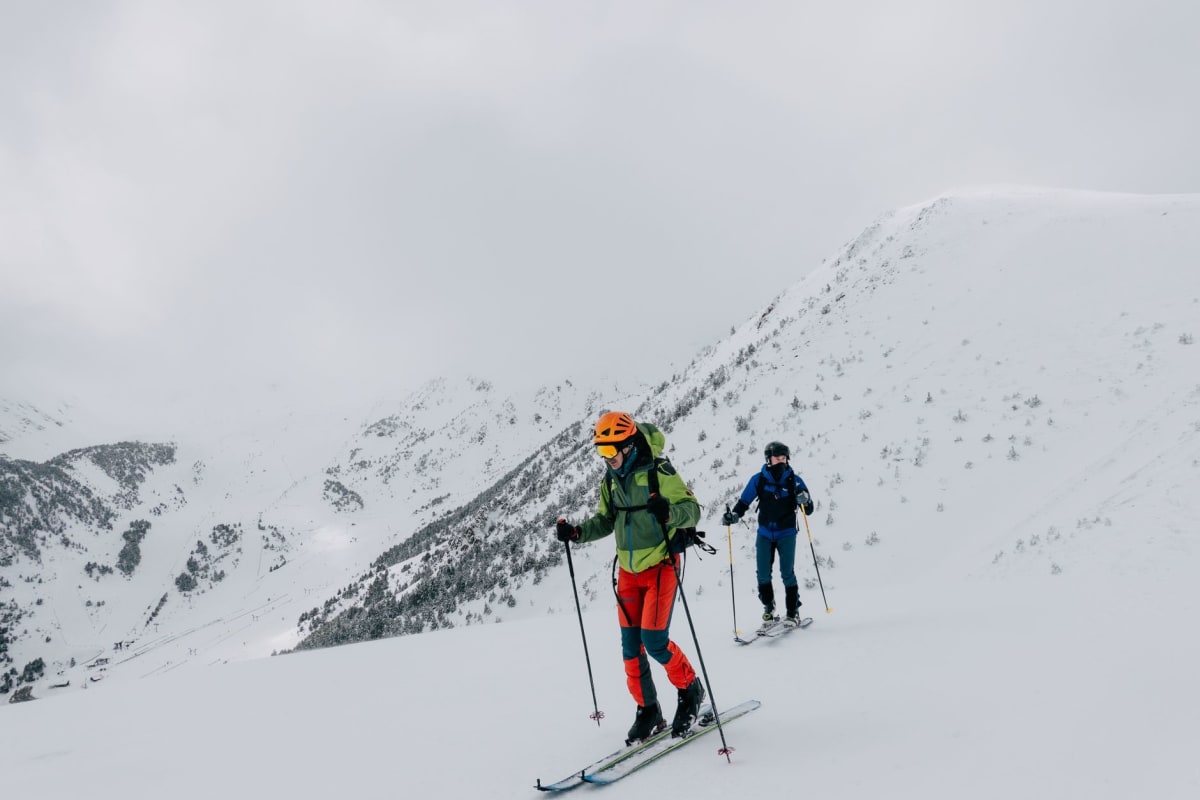
Intermediate backcountry skiers in December 2026 benefit from a directional, medium-width ski (90–107 mm underfoot) that climbs efficiently and still floats in variable snow. The Atomic Backland 107 (650–750 USD) is a proven platform: moderately stiff flex, modest rocker for float, and a waist width that handles both groomed skin tracks and untracked powder. It's forgiving on variable snow quality, which is common in early winter.
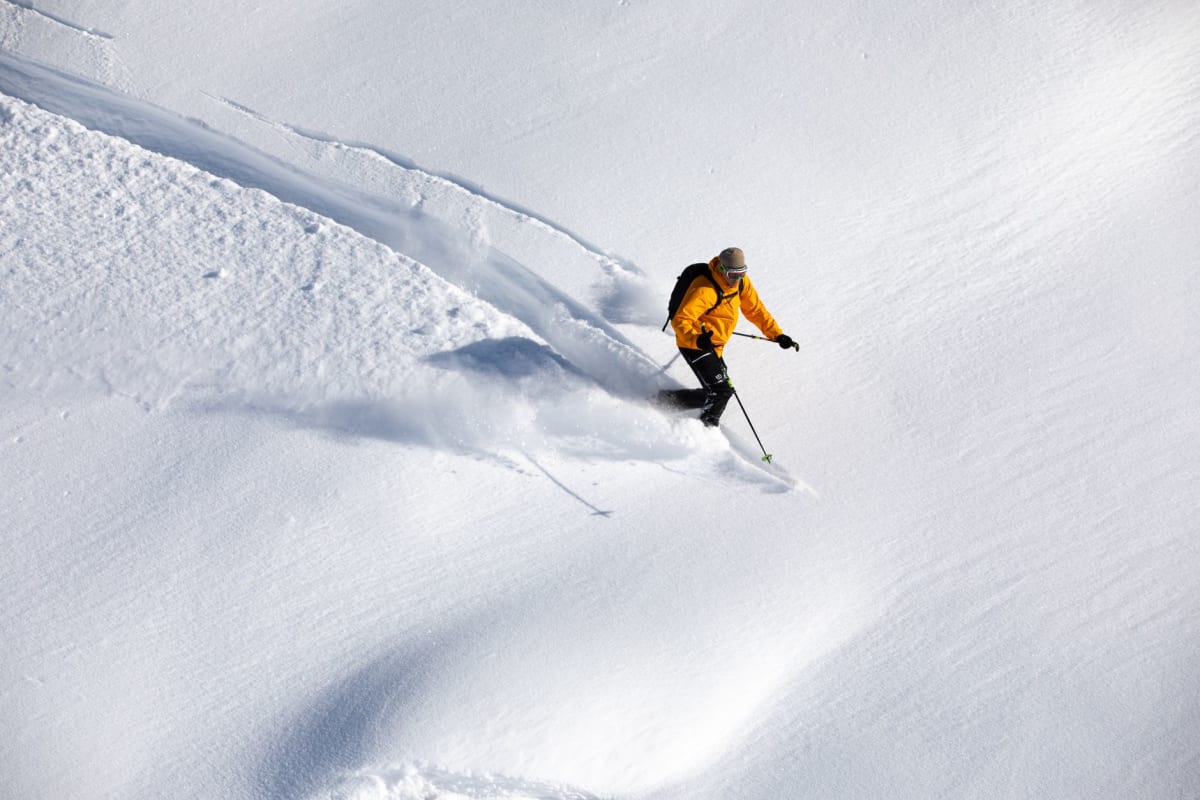
Pair your skis with the Marker Kingpin 13 TN (450–550 USD), a reliable uphill-downhill binding with a true heel-lift, solid braking system, and predictable release. The "13" DIN range handles intermediate skiers well. The TN (Technical Norm) release is consistent in a wide range of snow conditions—critical when you're transitioning between climbing and descent multiple times per day.
If you're renting skis and bindings for a December 2026 trip, many ski towns (Teton Village, Bend, Chamonix) offer backcountry packages. Renting makes sense if you're testing a new style or taking a single trip. Once you commit to 10+ days per winter season, buying becomes economical.
Boots and Skinning Efficiency
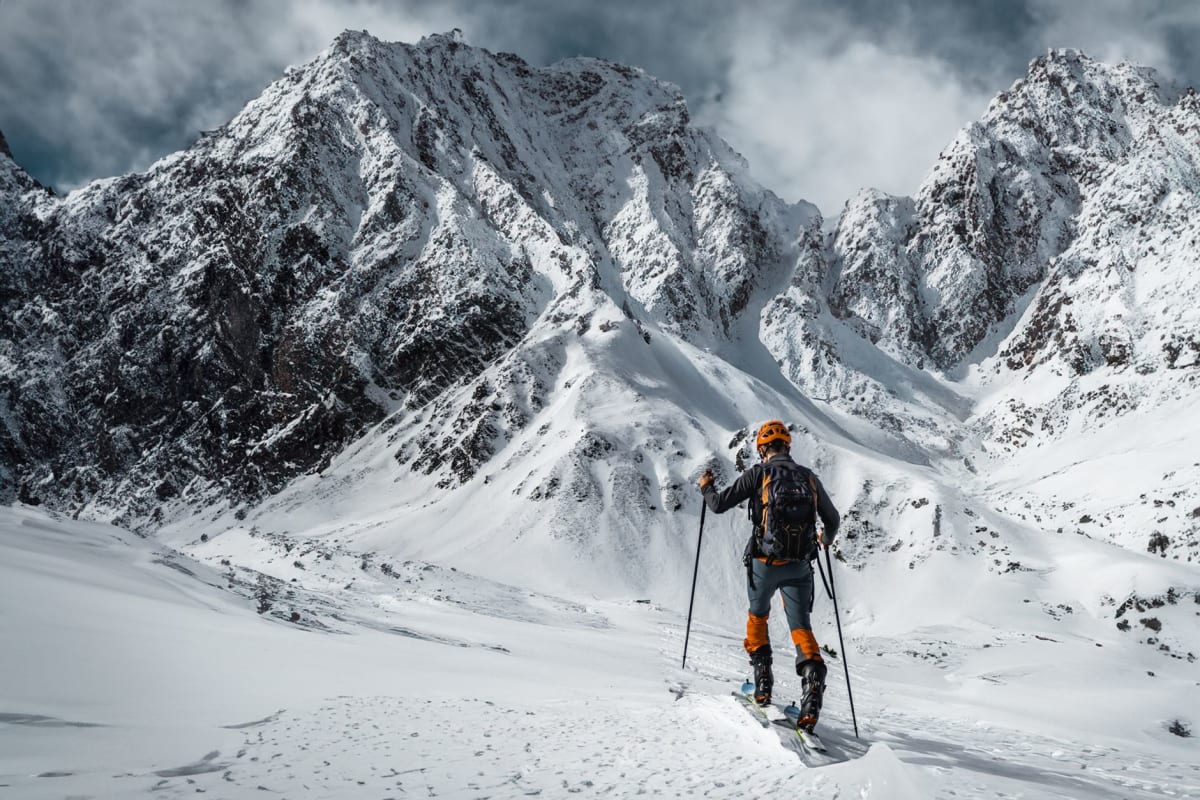
Your boot choice directly affects how much energy you burn climbing. The Scarpa Maestrale (500–600 USD) is a true backcountry boot: lightweight, with a comfortable climbing heel rise (about 2 inches), and stiff enough that you won't fatigue on descents. The liner is thermoformable, so your feet won't blister on long January 2027 tours.
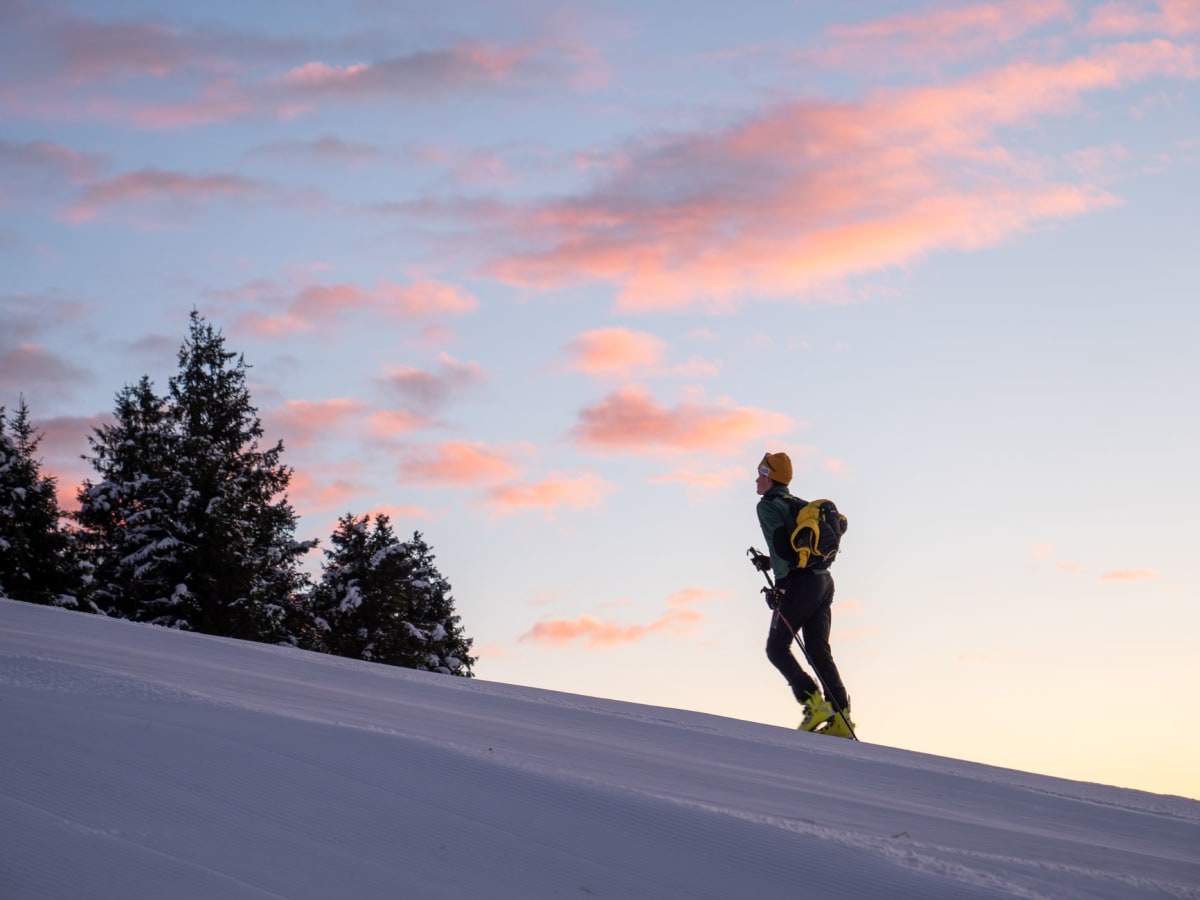
Upgrade your skins. The Pomoca Race Pro (200–280 USD per pair) uses a higher-density hair base that grips better in icy December conditions and transitions smoothly into softer snow as the season progresses. Buy two sizes if you're between lengths; one set should be 2–3 mm shorter (for very steep climbing), one slightly longer for general touring. The glue formula matters: cheaper skins lose grip as temperatures drop below freezing.
Case Study: December 2026 vs. January 2027 in the Tetons and Cascades
Let's compare two scenarios. In early December 2026, the Northern Tetons typically see Level 2 Moderate avalanche danger driven by fresh wind slab. The problem: wind-loaded gullies on east-facing slopes above 9,500 feet. The opportunity: untracked powder, stable slopes in protected terrain, and reasonable visibility. A competent intermediate skier with a guide can safely tour slopes below treeline, older-snow aspects, and mellow ridge terrain. Your equipment: standard backcountry kit, airbag recommended but not imperative if you avoid obvious wind-load zones.
Same zone, January 2027. By then, a Layer cake has formed: November depth hoar buried beneath December wind slab, and surface hoar layers added in early January. Forecasters flag "persistent weak layer with poor bonding." Level 2 still, but the reaction zone is now 200+ vertical feet of terrain above your position. A slope that looked safe at your feet might trigger from higher up. A guide is no longer optional—it's essential. Your gear needs upgrade: airbag now mandatory, higher DIN binding for more secure release, and arguably a narrower, stiffer ski for precision on refrozen crust.
This is the difference between reading a forecast and understanding what it means for your trip timing and terrain choices.
When to Hire a Guide: The Honest Framework
Hire a guide if:
- The avalanche forecast mentions persistent weak layers or deep slab problems (January–February 2027 is high-risk season).
- You're unfamiliar with the specific terrain or region.
- Snow stability is uncertain (Level 2 or higher).
- You haven't practiced excavation and stability tests in the past 12 months.
Go with a trusted partner (no guide) if:
- Danger is Level 1 (Low) and the forecast explicitly notes no avalanche concern on your planned slopes.
- You're skiing below treeline, mellow rolling terrain, and established skin tracks.
- Both skiers have 3+ seasons of backcountry experience and solid decision-making habits.
The cost of a guide is 300–600 USD per day depending on location and group size. A dangerous decision costs far more.
Clothing and Layering for Winter 2026/27 Backcountry Conditions
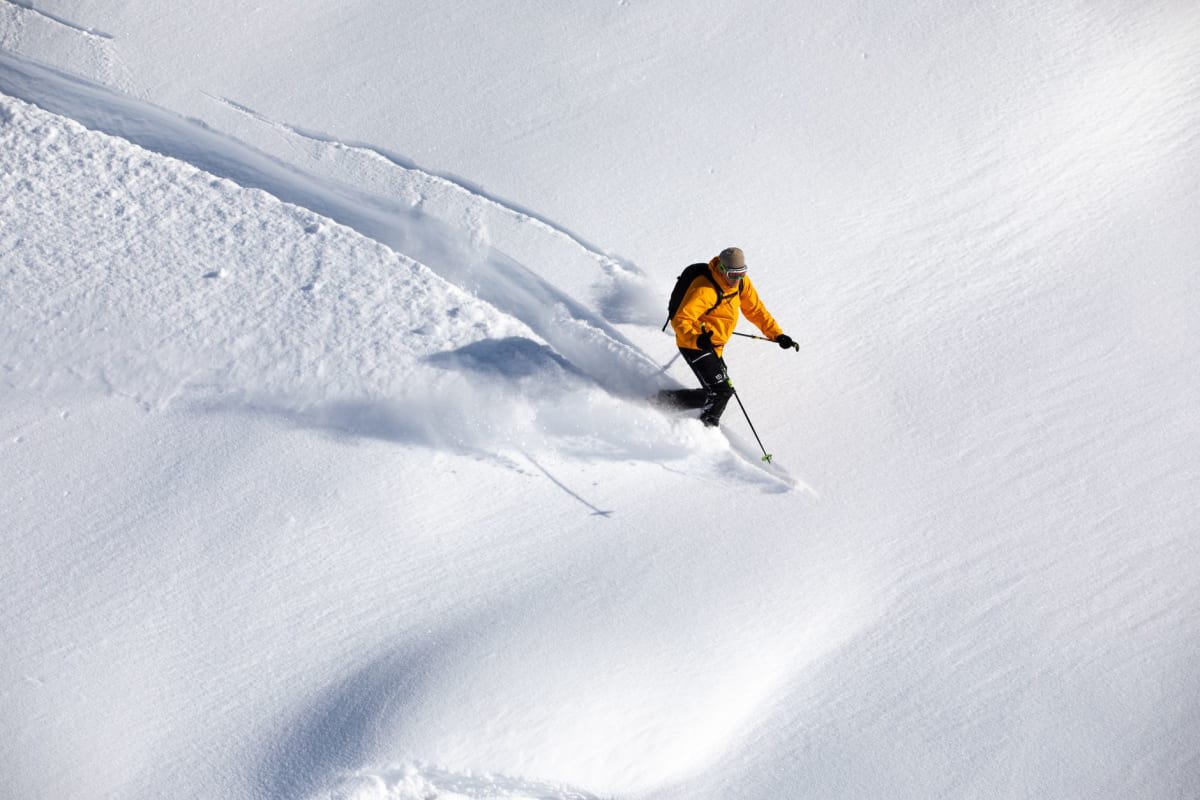
Backcountry touring generates enormous heat on the uphill; you need to shed layers fast without getting cold. Start with a quality merino base layer (Smartwool or equivalent, 60–90 USD), then add an insulating mid-layer you can unzip: the Patagonia Nano Puff Hybrid (200–250 USD) packs light, breathes well when you're climbing, and retains heat when you stop. Bring a windproof shell (Arc'teryx, Mammut, or Patagonia, 300–400 USD) and stuff it in your pack.
Hands matter. Lobster mittens keep fingers warmer than gloves; budget 80–120 USD for a quality pair (Rab, Mammut, or Black Diamond). Carry a liner glove inside your pack for transitions. Socks: merino blend, bring two pairs. One will get damp on the uphill; the second stays dry for the descent and post-ski hours.
Packing Checklist for December 2026–February 2027 Backcountry Tours
- Skis, boots, bindings, poles
- Skins and skin cleaner/waxes
- Avalanche beacon, probe, shovel, airbag vest
- Compression test kit or shear card
- Baselay (merino), mid-layer (insulation), shell jacket
- Mittens and liner gloves
- Hat (balaclava for January–February)
- Two pairs of socks
- Goggles and sunglasses
- Sunscreen and lip balm (SPF 30+)
- Snacks: energy bars, nuts, nut butter packets (500+ calories)
- 1–1.5 liter water bottle or hydration reservoir
- Multi-tool or knife
- Repair kit: spare skin, base tape, duct tape, zip ties
- Headlamp or small flashlight (for early starts in December)
- Emergency whistle
- First aid kit (blister treatment, pain relief, bandages)
- Avalanche forecast printout or notebook
- Phone (fully charged, in waterproof bag)
- Topographic map of your planned area
Rent vs. Buy: Practical Advice for Winter 2026/27
Buy: Boots, bindings, and beacon. These are personal fit items, and you'll use them dozens of times over multiple seasons. Buy in September 2026 to allow time for custom liner fitting and adjustment.
Rent: Skis (on your first 2–3 trips), airbag vest (unless you commit to 15+ days per season), and any clothing you're not sure about.
Budget for the season (December 2026–February 2027):
| Category | Budget Tier | Mid Tier | Premium Tier |
|---|---|---|---|
| Skis (buy) | 400–550 USD | 650–850 USD | 900–1200 USD |
| Boots (buy) | 350–450 USD | 500–650 USD | 700–900 USD |
| Bindings (buy) | 300–400 USD | 450–600 USD | 650–850 USD |
| Beacon / Probe / Shovel (buy) | 400–500 USD | 550–750 USD | 850–1100 USD |
| Skins (buy) | 120–160 USD | 200–300 USD | 300–400 USD |
| Airbag Vest (rent or buy) | Rent 50/day | Buy 500–700 USD | Buy 750–1000 USD |
| Clothing Bundle (gloves, layers, etc.) | 300
© 2026 Epic Trips. All rights reserved.
|