
Windsurfing's Top Spots This Summer: Where Wind, Water, and Skill Collide
The moment your board lifts off the water—that instant when physics and commitment align—you're no longer windsurfing. You're flying. It's June through August, and across the planet, specific stretches of coastline are generating the consistent wind patterns and water conditions that transform ordinary sailors into legend. These aren't the overcrowded resort towns where everyone takes one lesson and calls themselves a windsurfer. These are the spots where the wind reads like a language, where locals have spent decades learning the rhythm of thermal cycles and seasonal swells, and where your own progression accelerates because the conditions demand it.
If you're serious about windsurfing this summer, you already know that destination matters more than most sports. The difference between a mediocre week and a transformative one comes down to wind consistency, water temperature, skill-appropriate breaks, and access to coaching that actually understands your level. Summer 2026 is shaping up to be exceptional across the world's premier windsurfing zones, and we've identified five destinations where the Epic Score data shows sustained excellence from June through August.
The Mechanics of Summer Wind: Why These Months, These Places
Windsurfing thrives on specific atmospheric conditions that vary dramatically by latitude and season. The Atlantic trade wind belt intensifies in June and sustains through August, creating predictable morning thermals and afternoon sea breezes in the Northern Hemisphere. Meanwhile, southern destinations experience their dry seasons and corresponding wind patterns with clockwork reliability. The Epic Score for these months reflects consistent wind speeds (12–22 knots for intermediate riders, 15+ for advanced), water temperatures warm enough for minimal wetsuit requirements, and swell patterns that complement thermal wind cycles rather than fight them.
Your location this summer determines whether you're waiting for wind or riding it daily. That's not hyperbole—it's the difference between progression and frustration.
Cabarete, Dominican Republic: The Year-Round Capital Gets Better
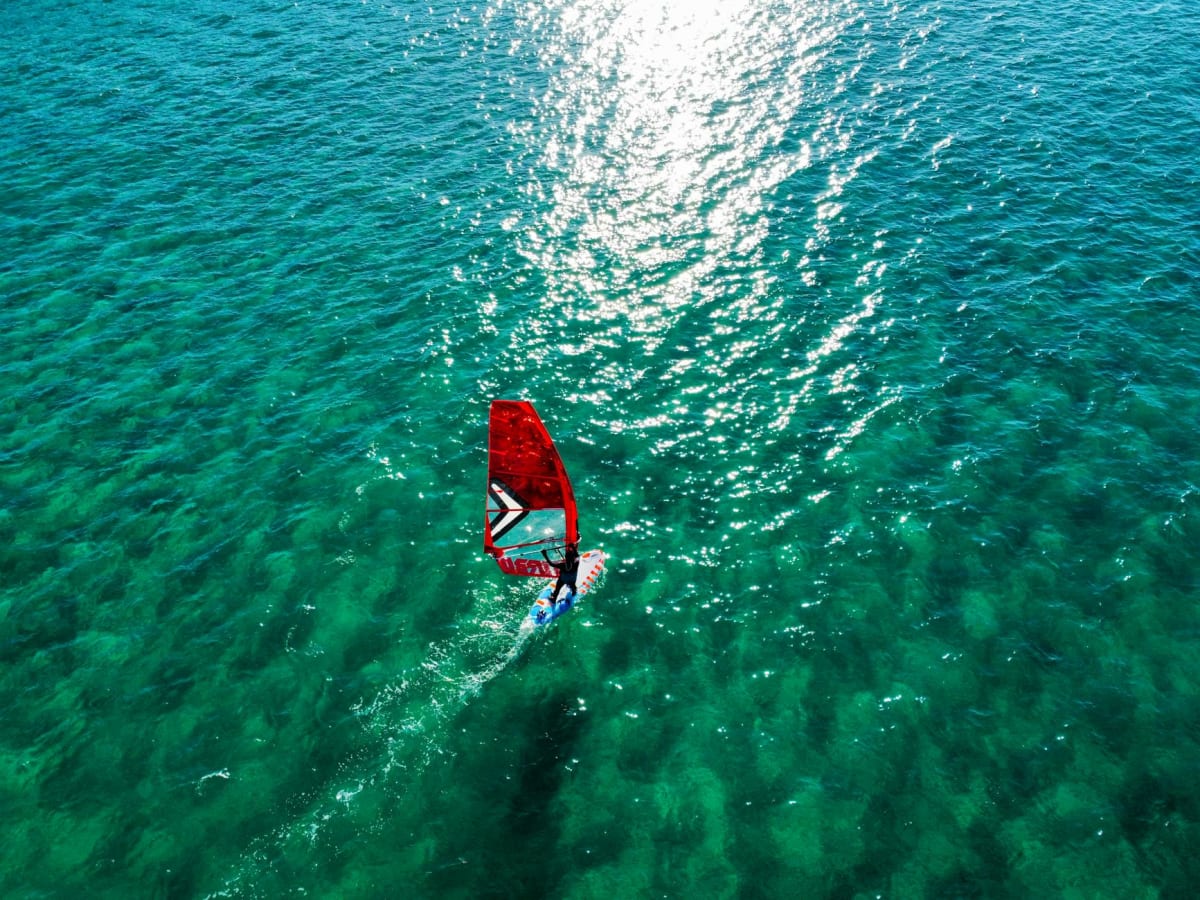
Cabarete has held the windsurfing crown for decades, and summer 2026 is no exception. The trade winds here blow with such consistency that local schools operate on daily schedules rather than hoping for wind windows. June through August sees average wind speeds of 14–18 knots in the morning, building to 18–24 knots by afternoon. The water sits at 82–86°F, making a rash guard sufficient for most riders. Cabarete's shallow lagoon offers protected learning zones, while the reef breaks beyond generate the kind of waves that reward committed sailors with genuine air potential.
The Cabarete scene has matured significantly. You'll find boutique wind hotels mixed with dedicated instructional operations. The Kite Club Hotel occupies prime real estate directly on Cabarete's main beach and caters specifically to wind athletes—which means the property manager understands why you need a shaded gear wash-down station and direct beach access. The hotel maintains partnerships with local instructors and offers package deals that bundle accommodation with lessons.
For broader searches, browse all hotels in Cabarete on Booking.com to compare options across the beachfront. Many properties now market themselves to windsurfers specifically, so filtering by "beach sports" or "water sports" surfaces relevant results.
Beyond the hotel itself, Cabarete's ecosystem of schools and rental shops is unmatched. Cabarete Windsurfing Center operates from the beach daily and employs instructors who understand progression methodology rather than merely offering "lessons." The Dominican coast doesn't see Atlantic hurricane season ramp up until September, so June through August is genuinely low-risk for weather disruption.
Search flights to Cabarete on Skyscanner—most travelers route through Santo Domingo or Santiago de los Caballeros, both under two hours' drive from the resort strip.
Tarifa, Spain: European Summer Consistency with Alpine Wind
If you're windsurfing in Europe this summer, Tarifa remains the continental standard. Positioned at the convergence of the Atlantic and Mediterranean, Tarifa's Strait of Gibraltar alignment creates predictable westerlies and easterlies depending on pressure systems. Summer 2026 forecasts show the prevailing pattern: light mornings (8–12 knots) building to strong afternoons (16–20 knots) four to five days per week. Water temperature peaks at 72–75°F in August, requiring a 3mm wetsuit.
The southern Spanish coast has developed world-class infrastructure over decades. Search accommodations in Tarifa on Booking.com to find beachfront properties that cater to windsurfers. Many properties offer board storage and rinse stations as standard amenities. Local schools like Cabrinha Tarifa operate from dedicated facilities with equipment inventories that span beginner through advanced boards and sails.
Tarifa's advantage lies in its international community. You'll share the water with accomplished windsurfers from France, Germany, Austria, and beyond—a culture that emphasizes skill development and progression. The town itself offers genuine Spanish dining and nightlife between sessions, which matters more than guidebooks admit when you're spending a week in one location.
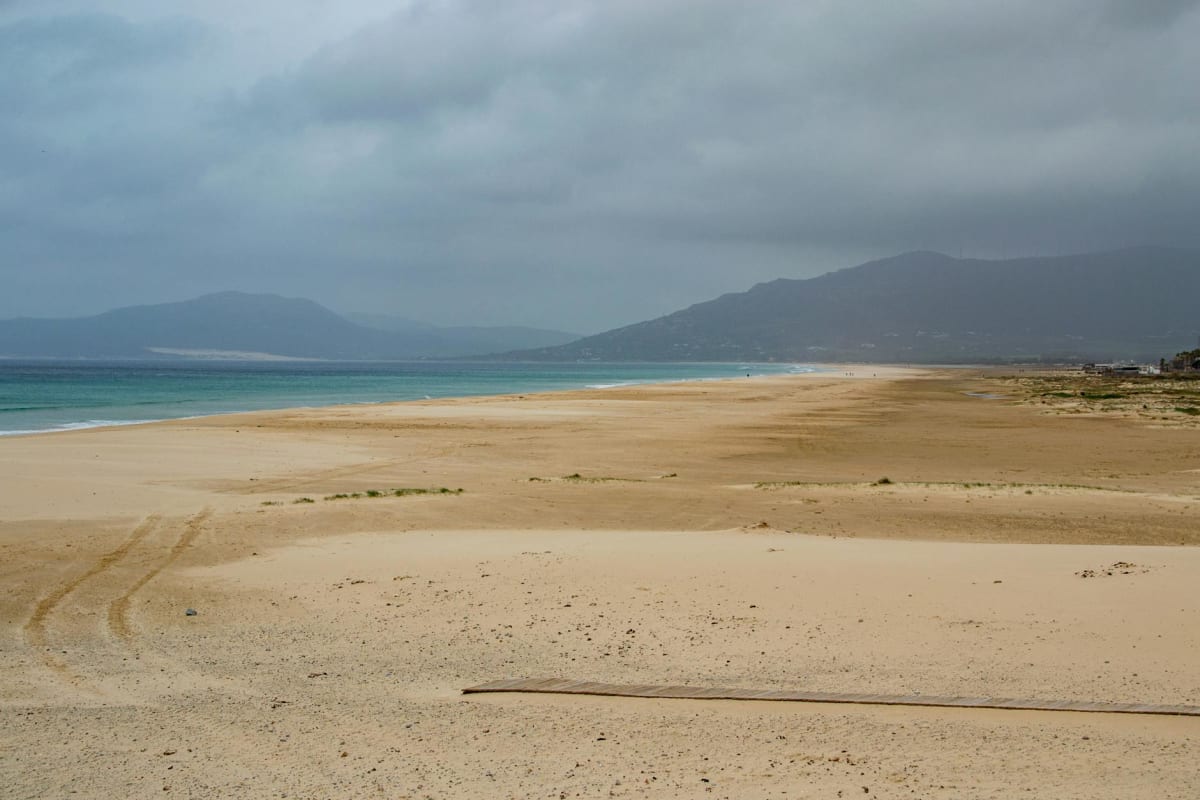
Find flights to Tarifa on Skyscanner—most arrive in Málaga (about 2.5 hours south) or Seville (3 hours north).
Maui, Hawaii: Summer Swells Meet Consistent Wind
Maui's north shore gets the press for winter conditions, but summer 2026 brings a different magic: warm water (79–82°F), smaller but cleaner swells, and the consistent northeast trade winds that Hawaii's geography funnels into particular bays. June through August sees average winds of 12–16 knots in morning hours, building to 16–20 by afternoon. The Epic Score here reflects reliability more than raw power, but that consistency allows progression-focused sailors to log serious hours.
Ho'okipa Beach Park remains legendary among committed windsurfers. The break requires respect—it's not beginner-friendly—but intermediate to advanced sailors gravitate here for the combination of wave quality and wind reliability. For learners, Kanaha Beach (also on Maui's north shore) offers shallow, protected conditions with thermal wind cycles that start light and build gradually.
Accommodation options near the north shore range from casual beach houses to larger resort properties. Search hotels near Kanaha Beach on Booking.com to find properties within walking distance of launch sites. Many small properties cater specifically to water sports athletes and offer gear storage and board repair resources on-site.
The Hawaiian Islands operate on island time, which translates to laid-back instruction and a culture that prioritizes safety and respect for ocean conditions. Local schools are genuine, non-commercial operations run by sailors who've spent careers reading Maui's specific wind patterns and swell directions.
Search flights to Maui on Skyscanner—most travelers use Kahului Airport, about 45 minutes from the north shore.
Pozo Izquierdo, Gran Canaria: Thermally Driven Perfection
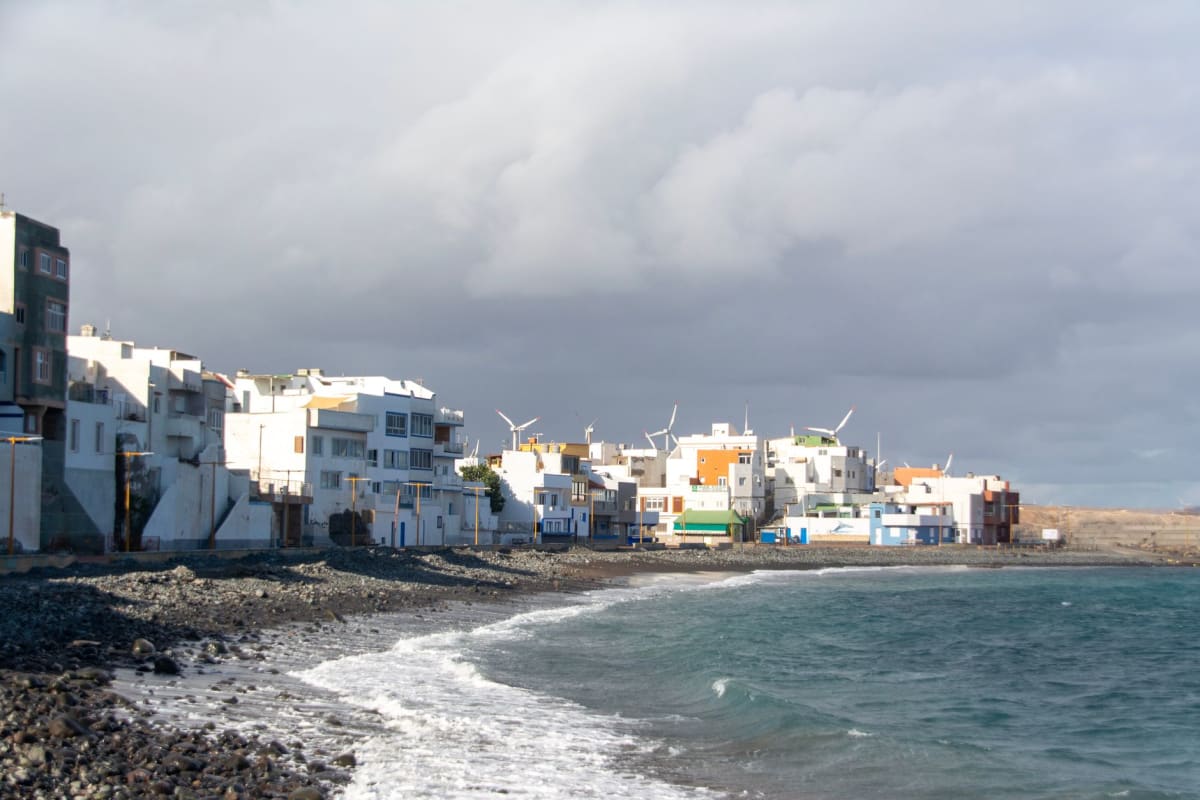
The Canary Islands sit at the Atlantic's shoulder, where African heat and maritime influence create unique atmospheric dynamics. Pozo Izquierdo, on Gran Canaria's east coast, experiences some of Europe's most reliable summer thermals. June through August brings consistent northeast trades (12–16 knots mornings, 16–24 afternoons) driven by the temperature differential between the Sahara and the Atlantic. Water runs 70–73°F—cool enough to require a 3mm suit but warm enough that extended sessions feel comfortable.
Pozo Izquierdo hosts international windsurfing events for good reason: the conditions deliver day after day. The beach itself offers multiple wind zones—more protected areas for learners, open reef breaks for intermediate sailors, and dramatic wave-to-wind combinations for advanced riders seeking air time and rail-to-rail carving.
Browse accommodations in Pozo Izquierdo on Booking.com to find beachfront hotels that cater to windsurfers. Many properties offer board rental, storage, and instructor referrals as part of their service model. The village itself is small and focused, which means less tourist noise and more genuine local flavor.
Summer 2026 conditions at Pozo Izquierdo should be exceptional. The seasonal pressure patterns favor sustained easterlies, and the water temperature remains warm enough for extended sessions without thermal stress. This is the destination for sailors seeking guaranteed wind with genuine technical variety across skill levels.
What to Pack Beyond Your Board
Assuming you're traveling with your personal equipment or planning to rent locally, focus on the ancillary gear that determines comfort and progression. A quality rash guard rated for your destination's water temperature prevents chafe and UV exposure. Most summer 2026 destinations don't require heavy wetsuits, but a 3mm spring suit gives thermal flexibility for water temperatures between 65–75°F. Footwear designed for reef walking prevents cuts and punctures—beaches in Tarifa and Gran Canaria have legitimate rocky sections that demand protection.
Bring a dedicated waterproof bag for electronics and travel documents. Beach environments are corrosive to standard luggage. A mesh gear bag allows rinsed equipment to dry while you sleep, and a portable wash station (basically a garden sprayer) extends equipment lifespan significantly in salt water environments.
Mental preparation matters more than most gear. Summer 2026 destinations attract skilled sailors, which means you'll be learning in an environment where progression is visible and expected. Bring a journal, record your sessions, and document what the wind felt like, how your body responded, and what you want to work on next session. That documentation accelerates learning more than any equipment upgrade.
Insider Perspective: What the Community Actually Knows
Real windsurfers don't chase swell forecasts the way surfers do—they chase wind patterns. The experienced sailors heading to these destinations in June 2026 are watching barometric pressure trends, not social media clips. They book accommodation with cancellation flexibility because the best wind weeks don't announce themselves on Instagram. They arrive a few days early to check water conditions, local hazards, and which beach breaks are actually working versus which ones photograph well.
The community consensus on summer 2026 is quietly optimistic. El Niño patterns typically enhance Atlantic trade wind intensity through the Northern Hemisphere summer, which suggests Cabarete and Tarifa should see above-average wind days. The Canary Islands typically benefit from this same pattern, making Pozo Izquierdo potentially exceptional. Maui's summer thermal patterns are historically reliable, though less dramatic than trade wind destinations—it's the consistency that matters.
Connect with local schools before you book. A genuine windsurf instructor—not a generic "water sports instructor"—can tell you specifically what June through August conditions look like in their region, what skill level your progression has reached, and whether a particular destination matches your current abilities. Most schools respond to direct email inquiries and will give honest assessments rather than sales pitches.
Getting There: Logistics for Summer 2026
Each destination connects through different hub airports and carries different logistical considerations. Dominican Republic typically routes through North America, making it ideal for stateside travelers seeking minimal time investment. Europe's destinations (Tarifa, Pozo Izquierdo) connect through major continental hubs with frequency and price advantages for European-based sailors. Maui requires commitment—the 11-hour flight from the mainland means you're booking minimum week-long stays to justify the travel time.
Consider proximity to your home location when balancing destination choice against travel fatigue. A week in Cabarete from North America involves less total travel time than the same week in Tarifa, even though both destinations offer comparable wind conditions. Factor that into your decision alongside accommodation costs and seasonal pricing.
Search flights to Santo Domingo on Skyscanner for Caribbean routing, Málaga for European destinations, and Kahului for Hawaii. All three are major hubs with competitive pricing and frequent connections.
What's Next: Finding Your Exact Conditions Match
These five destinations represent summer 2026's gold standard for windsurfing, but the Epic Score data tracks dozens of secondary locations with excellent June–August conditions. Whether you're seeking maximum wind hours, wave riding opportunities, beginner-friendly progression zones, or advanced technical challenges, the specific conditions match your skill level and goals.
Search Epic Trips for live wind forecasts and historical conditions data across these destinations. The platform breaks down Epic Scores by month, showing you exactly when each location peaks and which skill levels it suits best. You'll find community reviews from sailors who've spent time at each location, detailed forecasting tools that let you plan around pressure systems, and real-time updates as summer 2026 unfolds.
The difference between a good windsurfing trip and a transformative one comes down to information and timing. Commit to a destination that matches your current abilities, book early enough to secure quality accommodation, and prepare mentally for the skill acceleration that awaits when conditions are truly optimal. Summer 2026 is calling.
Plan Your Trip to Global
Ready to experience it for yourself? Here's everything you need to book your adventure:
Flights
Search flights to Global on Skyscanner
Where to Stay
Browse hotels in Global on Booking.com
Activities & Experiences
Book windsurfing experiences in Global on GetYourGuide
Check the Epic Score
See conditions data for Global on Epic Trips