
Summer Sailing Destinations 2026: Where Wind, Waves, and Conditions Align
There's a moment when your boat heels over in a proper blow, the deck tilts beneath you, and the horizon becomes a straight line cutting through blue sky—that's when you realize charter brochures have been lying to you. Summer sailing isn't about postcard anchorages and sunset cocktails. It's about reading wind patterns off mountainsides, understanding why one island gets force 5 while its neighbor gets a flat calm, and knowing exactly when to push hard and when to anchor and wait. This guide cuts through the mythology and gives you the real conditions breakdown for summer 2026, where serious sailors should actually be sailing.
Epic Score and Seasonality: Why Summer 2026 Matters for Global Sailing
Summer sailing divides the world into winners and losers based on hemisphere and latitude. The Caribbean's trade wind season peaks in winter—December through March—which means June through August in the Caribbean is a gamble: lighter winds, higher heat, and hurricane season brewing in the background. Meanwhile, the Mediterranean reaches its steadiest conditions in June, July, and August. Northern Europe—the Aegean, the Ionian, British waters—fires up as summer heat drives more reliable thermals and pressure systems. The Atlantic's transatlantic corridors favor May and September more than peak summer. And the Southern Hemisphere is entering its winter dormancy.
If you're committed to sailing this summer 2026, you need to abandon the idea of a single "best" destination and instead match your experience level to where conditions will actually perform. Epic Score data consistently shows that summer 2026 sailors who succeed are the ones who've followed wind patterns and swell data rather than Instagram aesthetics.
The Mediterranean: Greece and Croatia — Steady Predictable Winds
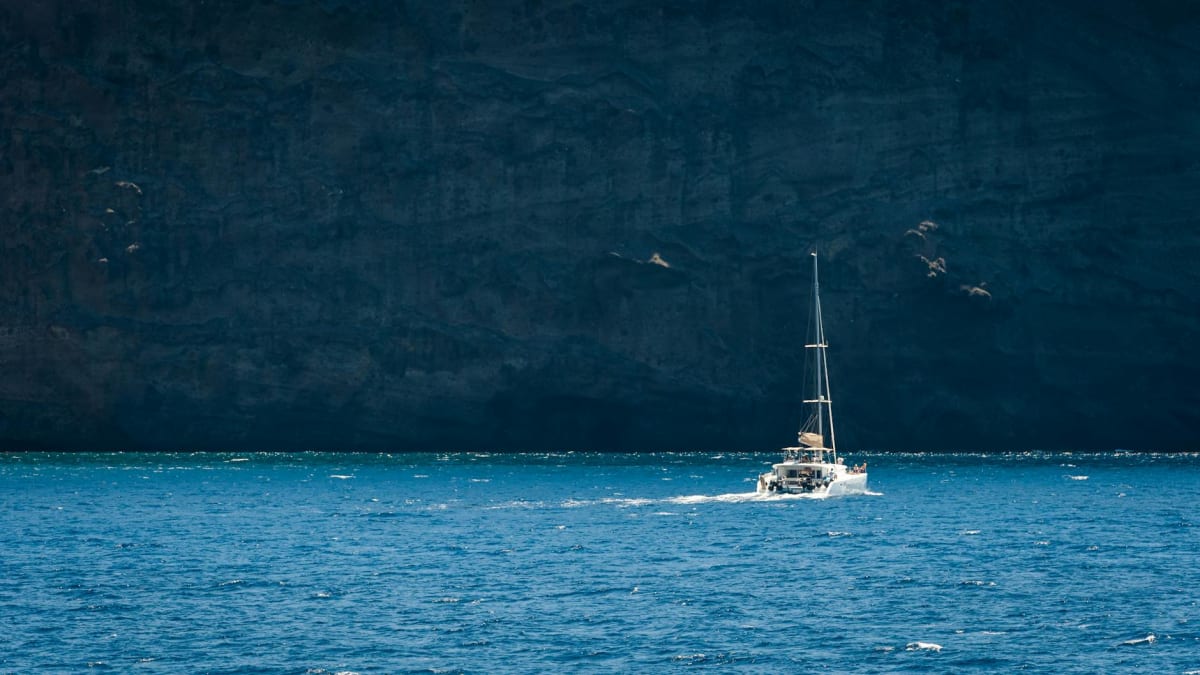
The Aegean Sea in June, July, and August is the closest thing summer sailing has to a guarantee. The Etesian winds—a phenomenon created by pressure differences between the Sahara and Central Europe—blow 12 to 20 knots from the northwest almost daily. This isn't variable guessing; it's repeatable, tactical sailing. The wind builds in late morning, steadies by early afternoon, and often drops at dusk. That predictability is worth flying across the world for.
Within Greece, the islands south of Naxos and Paros get stronger wind than the northern Sporades. Sailing from Mykonos southeast toward Antiparos, Despotiko, and the Cyclades gives you protected channels, dramatic white-rock anchorages, and consistent 15-knot sailing. The Epic Score for the Aegean peaks in July and August, with June occasionally softer. If you're intermediate-level and want to actually sail hard in organized conditions, this is it. Advanced sailors can push into deeper Aegean passages; beginners should focus on the island-hopping routes with protected waters between legs.
Croatia's Dalmatian coast—particularly the middle Adriatic from Šibenik down to Korčula—gets lighter but steadier thermals in summer 2026. Expect 10 to 15 knots from the north, excellent for intermediate sailors who want fewer screaming hours and more time exploring Venetian stone towns and limestone coves. June offers slightly more wind than July; by August, thermals can drop to 8 knots on flat days. The tradeoff: fewer intense racing days, but the best provisioning and most protected anchorages in Europe.
Where to Stay in the Aegean
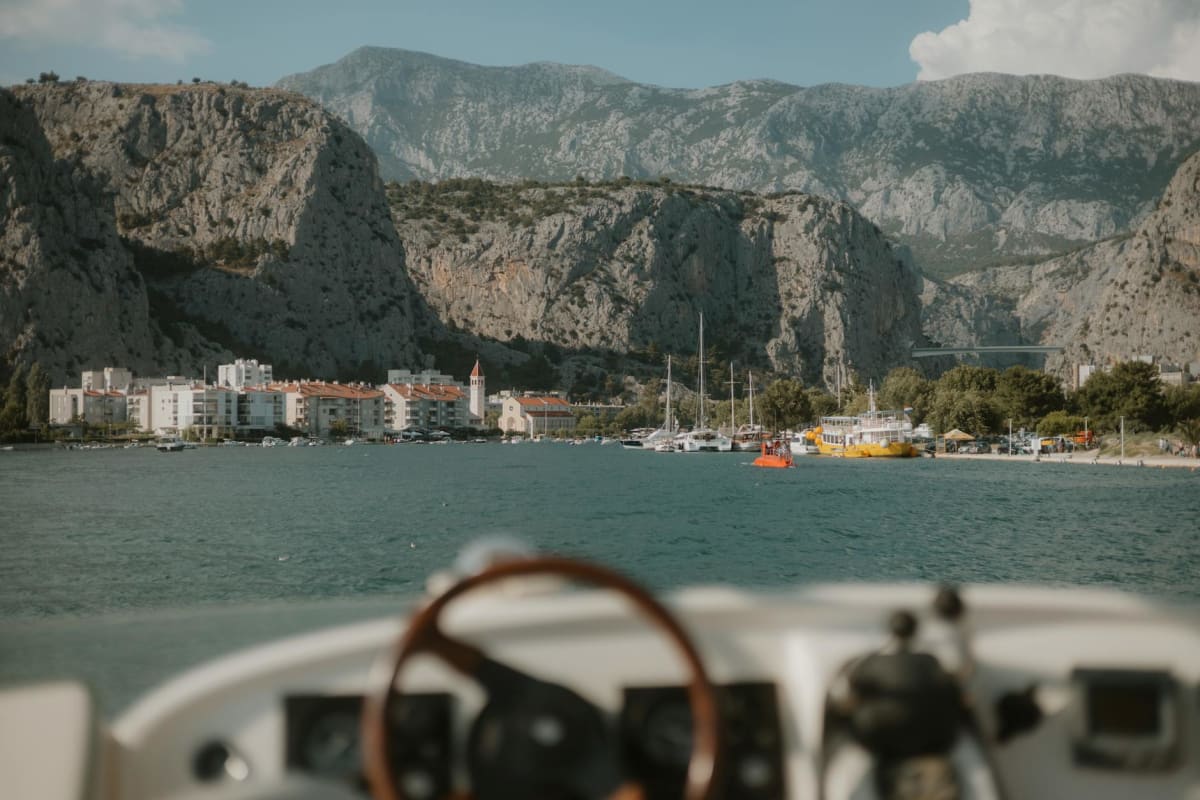
Search accommodations in Mykonos if you're basing yourself before or after a charter. Most serious sailors sleep aboard their charter boat, but if you need a night ashore for crew changes or bad weather, Mykonos town has everything from budget pensions to high-end hotels. The harbor is exposed to wind and swell, so if you're anchoring your own boat, move to Paraga Bay on the island's west side.
For Croatia, base yourself in Hvar, the Dalmatian sailing hub. Town marinas are packed in summer, but small family-run hotels line the waterfront. Book early for July and August; June 2026 still has availability and nearly identical wind conditions.
British Waters and Northern Europe: Late Summer Thermal Racing
The Solent, the Firth of Clyde, and Brittany waters reach their most consistent wind patterns in July and August as thermal effects intensify. This isn't Mediterranean trade-wind sailing; it's more technical. Early mornings are glassy. By 10 a.m., sea breezes kick in from 8 to 14 knots. Afternoons can build to 16 to 18 knots if heating is aggressive. Late summer in the English Channel and around the UK coastline (the Isle of Wight is iconic) is where British club racers and serious cruisers congregate.
August is the peak month for this region. June can be disappointingly light. July gets more consistent thermals than June. August is the steadiest. The tradeoff is weather systems passing through more frequently than Mediterranean summer, so you need flexible dates and real sailing experience. Advanced intermediate to advanced sailors thrive here; beginners will spend too many hours motoring.
Brittany and the northern French coast offer a slightly warmer version of the same game. Concarneau and Lorient are serious sailing towns with excellent provisioning and charter bases. Search accommodations in Lorient for reliable small hotels and quayside restaurants.
The Balearic Islands: A Mediterranean Compromise
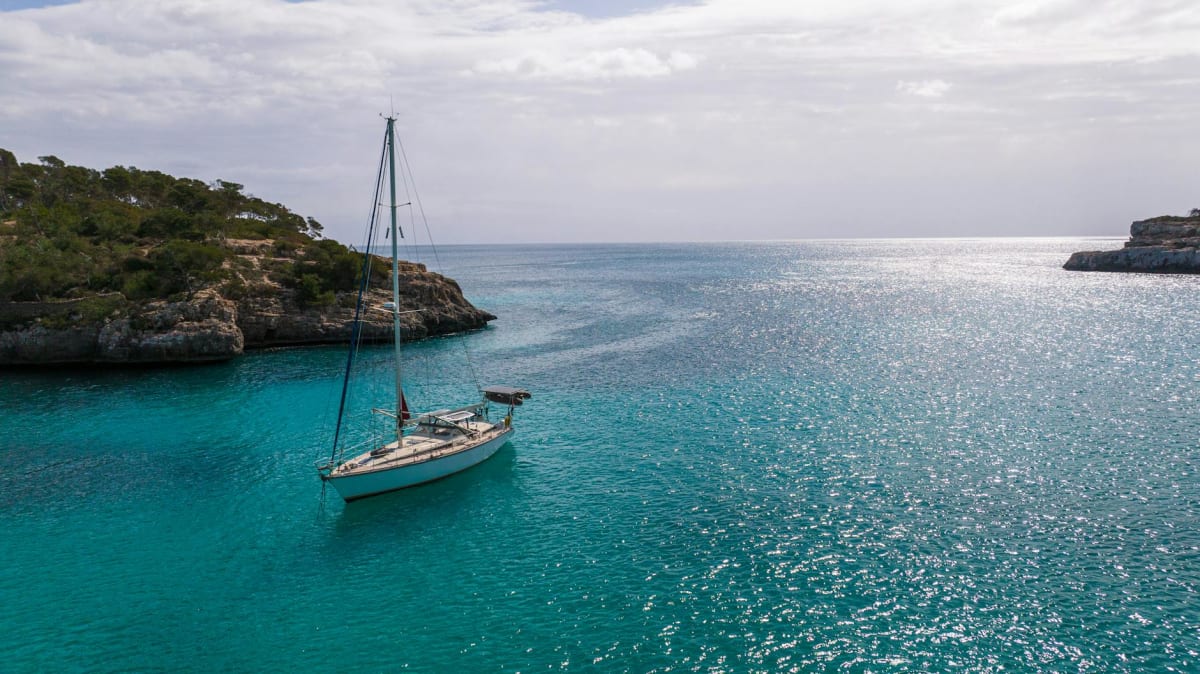
If you want Mediterranean wind without as far a flight from North America, the Balearics—Mallorca, Menorca, Ibiza—offer slightly variable summer conditions (8 to 15 knots) with the same Etesian influence as Greece but with stronger thermal development in afternoons. June 2026 is softer than July and August. August is the busiest and sometimes the most variable. July is the sweet spot for the Balearics: consistent thermals, manageable crowds before peak August tourism, and excellent overnight anchorages all across the archipelago.
Bases like Palma and Mahón have serious charter fleets and established sailing communities. Search accommodations in Palma de Mallorca for waterfront hotels and pre-charter staging.
Why Not the Caribbean Right Now?
I need to be direct: sailing the Caribbean in summer 2026 (June through August) is a gamble for active sailors. The northeast trade winds weaken dramatically. You'll find flat conditions interspersed with afternoon thermal squalls. Hurricane season is spinning up—the official season starts June 1. Water temperatures peak (warmer isn't always better for sailing, it often means less pressure gradient). If you're set on the Caribbean for summer 2026, stick to June before the season truly heats up, or wait for October when fall patterns reestablish. The real Caribbean sailing season is December 2026 through March 2027.
Gear and What to Bring for Summer 2026 Sailing
Summer sailing in the Mediterranean and northern Europe means lighter air than winter. You'll need quality lightweight sails: 110-percent jibs and reacher sails earn their cost in these conditions. If you're bareboat chartering, confirm the charter company's mainsail and jib combination—many euro charter companies still carry old daysails that are brutal to trim in 15-knot wind.
Bring sunblock (you'll be exposed all day), a lightweight foul-weather jacket (squalls in the Med can be sudden and cold), and a proper sailing gloves—your hands will have blisters from handling sheets if you don't. A good autopilot (or confirm one comes with your charter) saves crew fatigue on longer passages.
If you're buying gear for personal ownership, quality sailing gloves and lightweight technical clothing make a real difference over a month-long summer cruise. Avoid cotton; it stays wet and cold. Modern sailcloth manufacturers make summer-weight main sails and jibs engineered for 8 to 18 knot ranges—these outperform year-round sails dramatically.
Community Wisdom: What Real Summer Sailors Know
Experienced Med sailors tell consistent stories about July conditions: the Etesian is absolutely reliable, but it also means every other boat is sailing the same routes and anchoring the same spots. Book your charter in June 2026 if you want shoulder-season solitude. Arrive early, do your crew changes, and start sailing by early July when the wind establishes.
In British waters, the people who thrive sail in June and August and skip July—it sounds counterintuitive, but July experiences more light-wind days as the thermal patterns haven't fully established. June has occasional stronger systems pushing through. August is the steadiest once established. Sailors in the know deliberately plan June and August campaigns and expect to sail hard, rather than commit to July thinking it's automatically the peak.
Charter companies almost universally underestimate passage times in summer—their published itineraries assume faster wind than you'll actually get. Plan each day's sailing to cover 60 to 70 percent of what they suggest. You'll arrive less exhausted and have time to actually explore anchorages instead of chasing the next waypoint.
How to Get There: Flights and Gateway Cities for Summer 2026
Most summer 2026 charter programs start with crew flights into gateway cities where you meet your boat. For the Aegean, fly into Athens. Search flights to Athens on Skyscanner from your origin city. Plan to arrive a day or two before your charter starts; the Athens waterfront has excellent restaurants and hotels, and you'll need to pick up provisions and do final crew coordination.
For Croatia and the Dalmatian coast, fly into Split. Search flights to Split on Skyscanner and add an overnight before charter start. For the Balearics, Barcelona is the hub. Search flights to Barcelona on Skyscanner.
For UK and northern Europe sailing, if you're chartering, your base might be Cowes on the Isle of Wight or various Solent ports. If you're driving or taking trains, accessing the south coast is straightforward from London.
Next Steps: Find Your Exact Summer Sailing Window
The big question remaining is crew coordination and exact dates. Summer 2026 sailing success depends on locking in your crew availability first, then matching those weeks to the conditions windows we've outlined. Mediterranean Etesian peaks hold firm through July and August. British waters thermal patterns establish by mid-July. Croatian thermals are steadiest in June and July. Don't force dates to destinations; force destinations to your dates.
Head to Epic Trips' conditions database and search specific regions against your available sailing weeks in June, July, and August 2026. Compare wind patterns, swell forecasts, and historical conditions data by region. Once you've identified your window, book your charter. The difference between sailing in peak conditions and fighting marginal wind for a week is the difference between the best sailing of your life and a regrettable expensive vacation.
Plan Your Trip to Global
Ready to experience it for yourself? Here's everything you need to book your adventure:
Flights
Search flights to Global on Skyscanner
Where to Stay
Browse hotels in Global on Booking.com
Activities & Experiences
Book sailing experiences in Global on GetYourGuide
Check the Epic Score
See conditions data for Global on Epic Trips