Ski Japan's Hidden Powder Bowls: Why November 2026 Is Your Window Before the Crowds
November doesn't sound like ski season. It sounds like the warm-up month, the time when you're still thinking about summer and the snow forecast feels optimistic. But in Nagano Prefecture, November 2026 is a narrow, genuine window—one that serious skiers are already circling on their calendars because it delivers something the rest of the season cannot: consistent early powder, virtually empty slopes, and the kind of snow quality that depends entirely on timing and cold fronts, not resort infrastructure.
The data backs this up. Sustained orographic precipitation patterns push cold air masses off the Sea of Japan starting in late October and intensifying through November, dumping measurable snow across the high-altitude bowls of Shiga Kogen and Madarao before the peak winter push arrives in December. By the time December crowds materialize, November skiers have already logged their best untracked days. The window closes fast—by mid-December, lift lines return and the advantage evaporates.
Why Nagano Prefecture, Why November
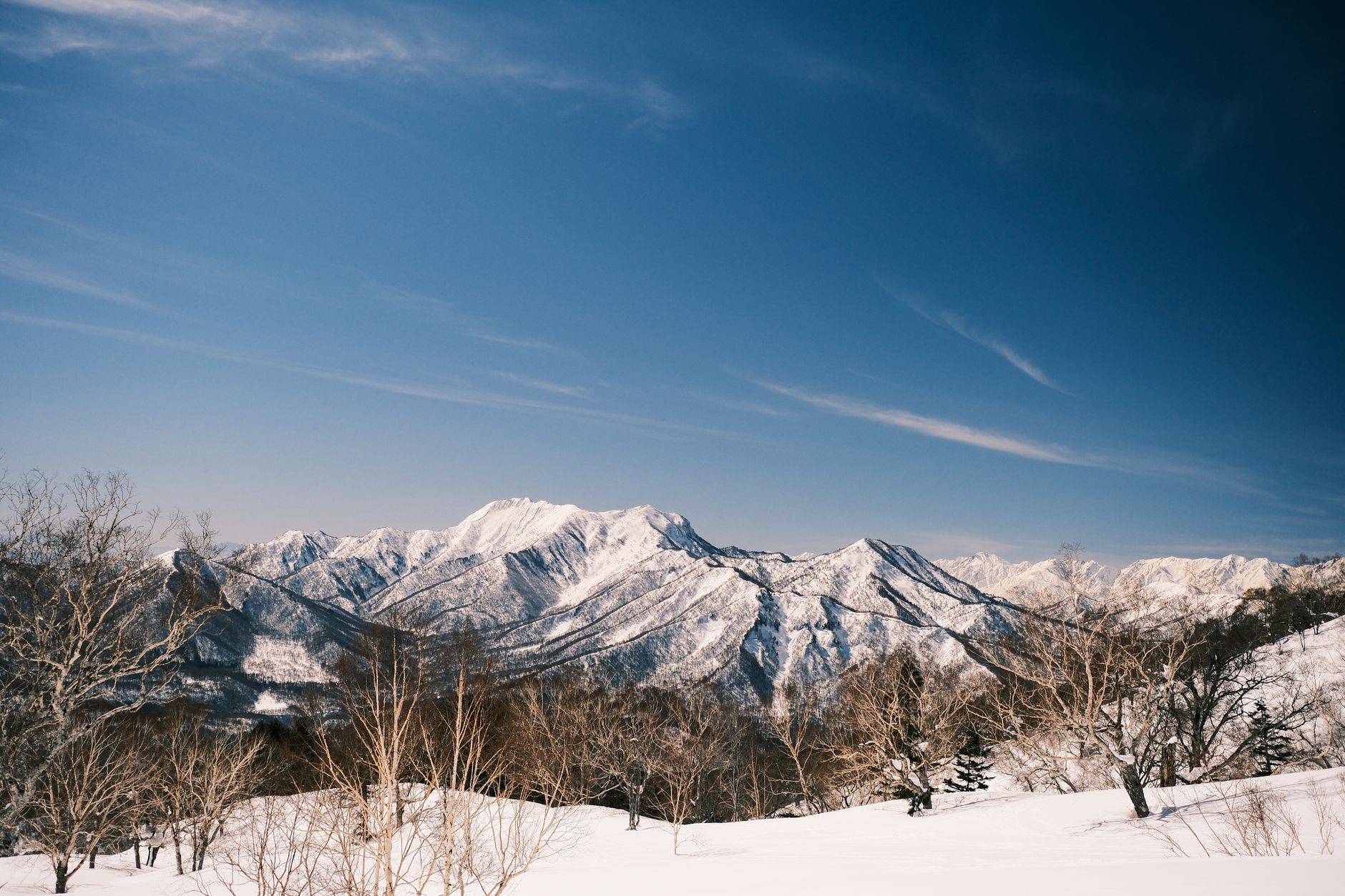
Japan's backcountry zones don't compete with North American or European lift access. They compete on one metric: consistency. Nagano's elevation, proximity to the Sea of Japan, and orographic setup mean snow arrives earlier and more reliably than lower-altitude resorts elsewhere in the country. November conditions sit in a sweet spot—cold enough for sustained accumulation without the extreme cold that locks down access in January and February.
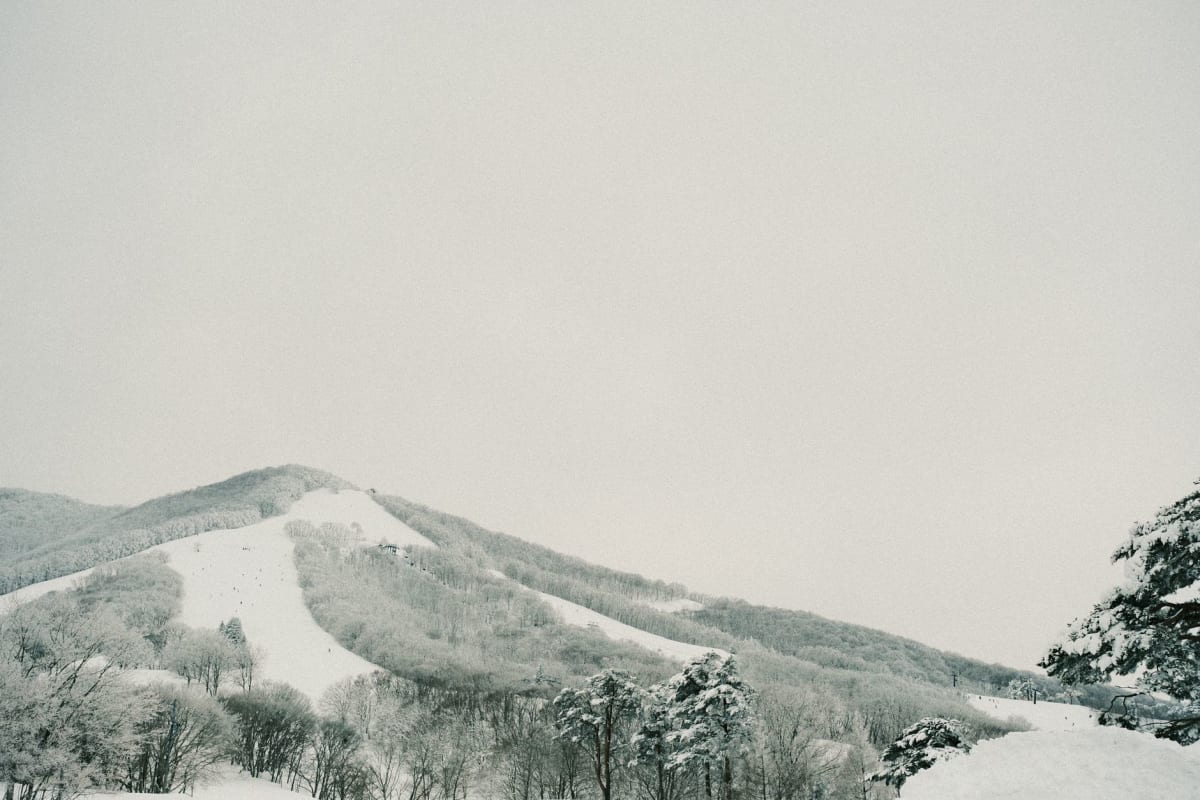
The trade-off is real: you're not skiing big vertical here. You're skiing tight, technical terrain through dense tree coverage with variable snow quality that demands skill and patience. The reward is solitude and genuine untracked powder days before the commercial machine turns on.
The Specific Zones: Shiga Kogen and Madarao
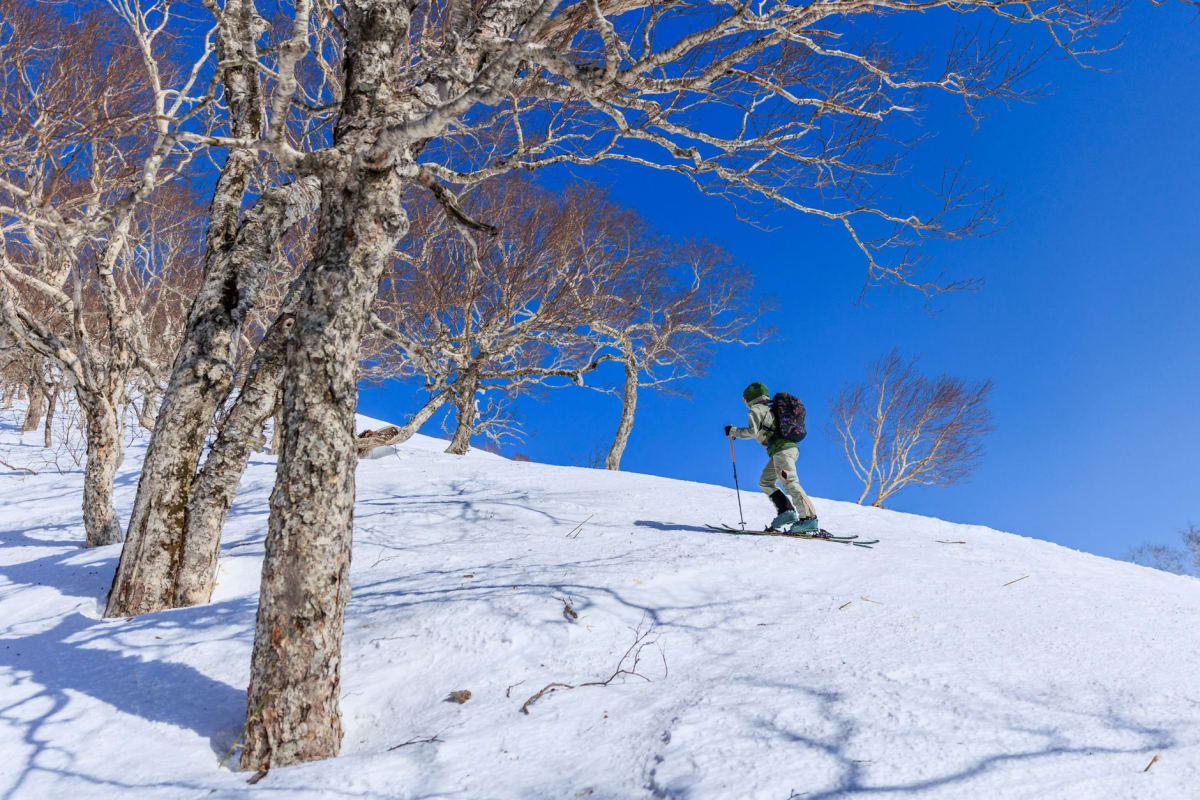
Shiga Kogen is the obvious choice—it's the largest ski area in Japan by area, with 21 interconnected zones. But most visitors stick to the groomed runs and lift-served terrain near the base. The real terrain sits in the upper bowls and tree runs accessed from higher lifts. November here means light crowds on the groomers and trackable powder in the trees once you push past the casual skier zone. Expect tight-to-moderate tree spacing, variable snow depth, and the kind of terrain that rewards edge control over speed.
Madarao, just north of Nagano proper, is the deeper play. It's smaller, steeper, and less developed than Shiga Kogen—think more backcountry-adjacent resort than high-volume destination. November early-season snow here is firm, consistent, and less tracked because fewer people know to go. The Madarao area receives exceptional orographic precipitation and the terrain is genuinely technical. This is where you go if you're past the intermediate stage and confident in variable conditions.
Where to Stay
Skip the mega-resort hotels in the main Shiga Kogen base villages. Stay in the smaller mountain towns—Yamanouchi or Nozawaonsen—where local guesthouses and smaller lodges cater to people who are actually here to ski. These aren't luxury plays; they're functional bases with onsen access (critical for recovery) and local knowledge. Many offer direct shuttle access to upper mountain trailheads and backcountry entry points that tourists miss.
For Madarao, stay in the village itself. The infrastructure is smaller and more intimate, which is the point. You're trading downtown convenience for proximity to the mountains and a genuine local experience.
What to Bring
Japan's early season snow is dense and variable. You need skis that handle both packed powder and the occasional boilerplate: Volkl's All Mountain directional skis perform here because they're built for exactness in variable snow, not just float. If you're just getting into variable conditions, a 92-98mm waist all-mountain ski from a reputable maker (not a pure powder ski—wrong tool) will manage the terrain and teach you the discipline you need.
A rigid avalanche safety setup isn't optional if you're venturing into untracked territory. Beacon, probe, shovel—know how to use them. The terrain isn't extreme, but the consequence of being unprepared is identical to anywhere else.
Pro Tips: Timing Within the Window
November 2026 breaks into two phases. Early November (1st–15th) is transitional—you'll get skiable snow but it may still be sparse at lower elevations. Mid-to-late November (15th–30th) is where the cold pattern locks in. Watch for sustained low-pressure systems moving through the region around November 18–28. That's your high-probability window for significant accumulation.
Cold fronts passing through every 4–5 days mean new snow is predictable but not guaranteed. Check avalanche forecasts constantly—the Japanese Avalanche Network (JAN) updates daily and provides region-specific risk assessment.
Go midweek. Japanese holidays cluster around specific dates; November 23rd is a national holiday. Avoid the surrounding days if you want empty slopes. Tuesday through Thursday deliver the fewest bodies.
Getting There
Fly into Narita or Haneda (Tokyo), then take the Shinkansen to Nagano Station (90 minutes). From there, buses and rental cars reach Shiga Kogen in 90 minutes and Madarao in two hours. The infrastructure is reliable, though not luxurious. Budget travel time seriously—Japanese rail is punctual but connections require planning.
Close the Window Now
November 2026 is real. Conditions are data-backed, the season window is narrow, and crowds haven't arrived. Once December hits, the advantage disappears. The powder is still there, but so are 10,000 other people.
Plan now. Book accommodations for November 18–28, 2026. Check updated conditions on Epic Trips' Nagano Prefecture ski guide as the season approaches. This window doesn't stay open long.
Plan Your Trip to Nagano Prefecture, Japan
Check conditions and plan your skiing trip to Nagano Prefecture, Japan on Epic Trips