Bonaire's House Reef Season: Why November 2026 Is Peak for Shallow-Water Macro Diving
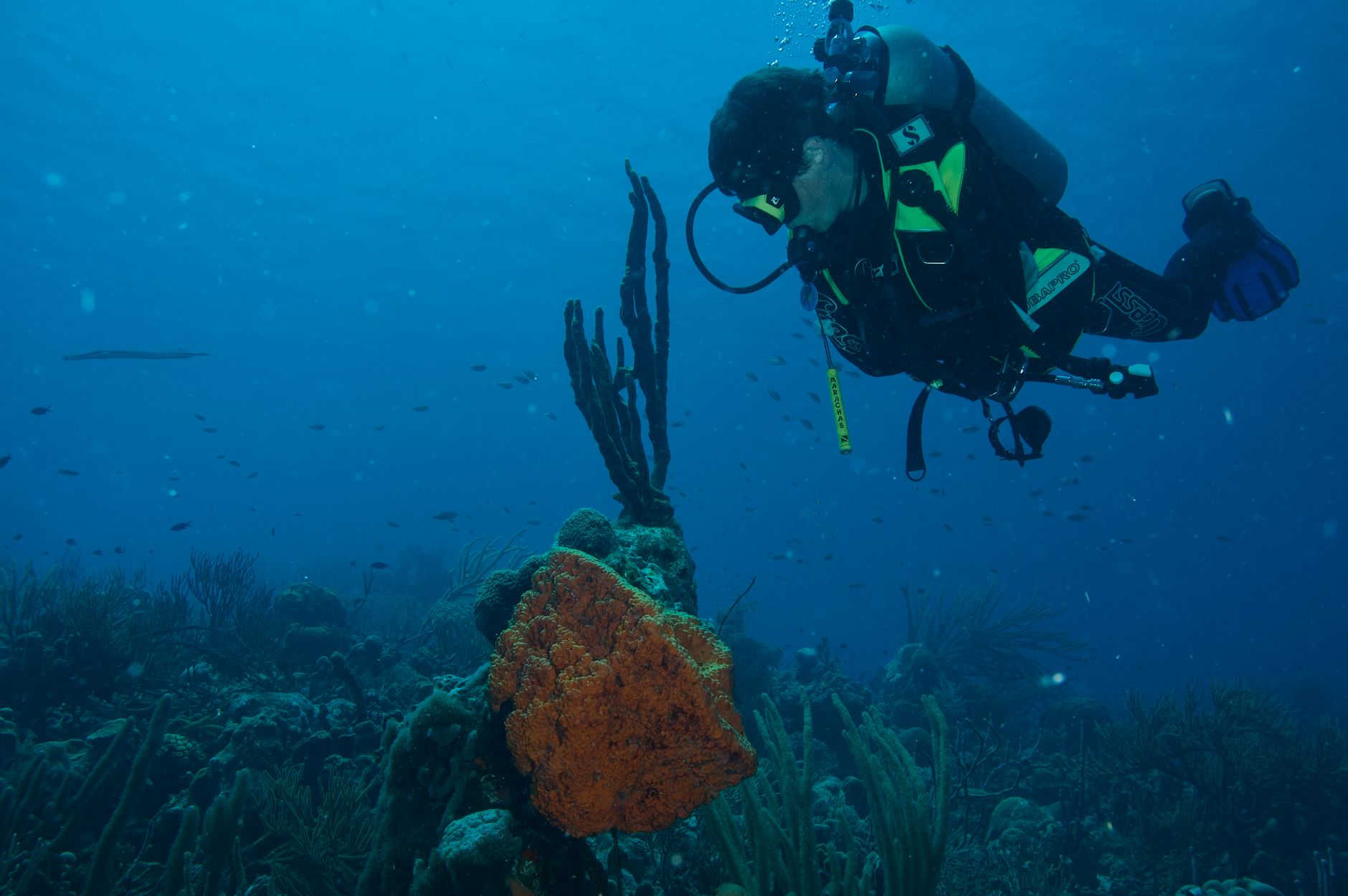
The Caribbean's most underrated macro theater opens in November. Bonaire's leeward house reefs—the shallow coral gardens accessible directly from shore—reach their seasonal apex in November 2026, when calm seas, gin-clear visibility stretching 80–100 feet, and water temperatures holding at 79°F create conditions that make even entry-level divers feel like species documentation specialists. No boats required. No deep descents. Just a wetsuit, a camera, and access to reef life that most Caribbean destinations reserve for expensive guided expeditions.
This is the moment when Bonaire stops being a diver's second choice and becomes the destination serious macro photographers and naturalists plan around.
Why Bonaire, Why November 2026
Bonaire sits in the hurricane belt's rain shadow—the ABC islands (Aruba, Bonaire, Curaçao) catch the dry season's tail wind while destinations further north still wrestle with tropical systems. November 2026 marks the transition point when Atlantic swells finally drop, trade winds stabilize, and the leeward reefs stop being surge-battered and become what they were designed to be: stable, visible, teeming.
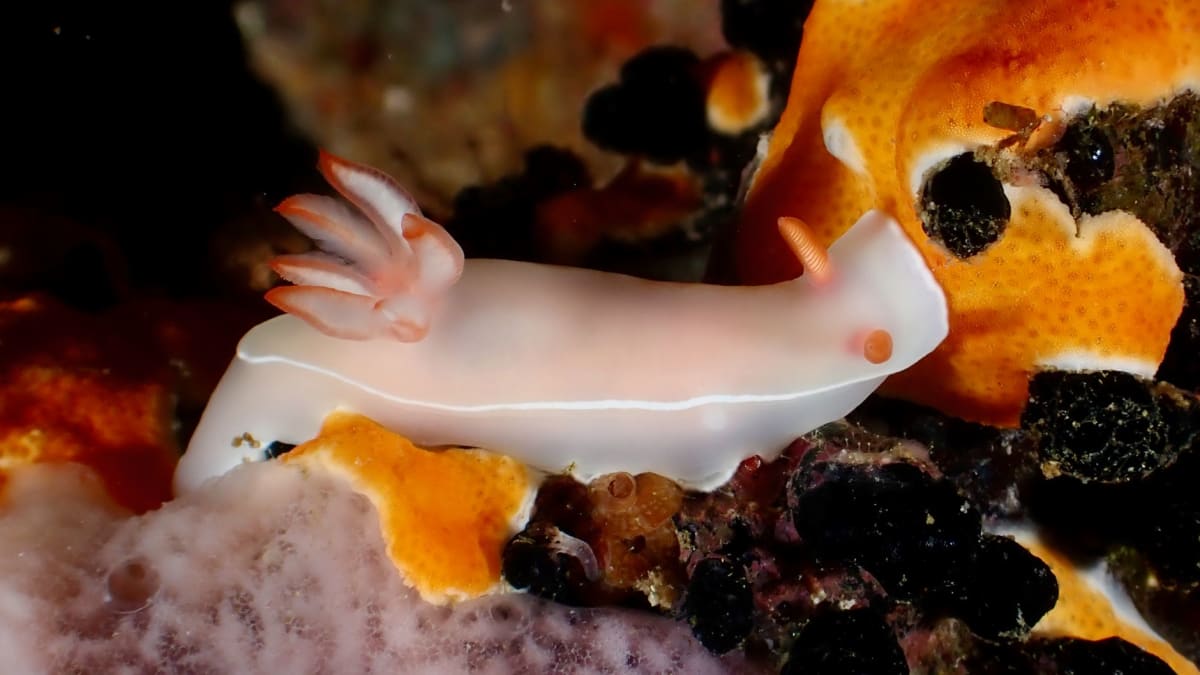
The water temperature—79°F—sits at that sweet spot. Cool enough that you're comfortable in a 3mm wetsuit or rash guard for extended bottom time, warm enough that you're not fighting thermal stress during a two-hour macro session. Visibility rarely dips below 60 feet; 80–100 feet is standard. Current is minimal to nonexistent on the house reefs, which means your composition stays steady, your air consumption drops, and you can actually watch nudibranch behavior instead of just spotting them.
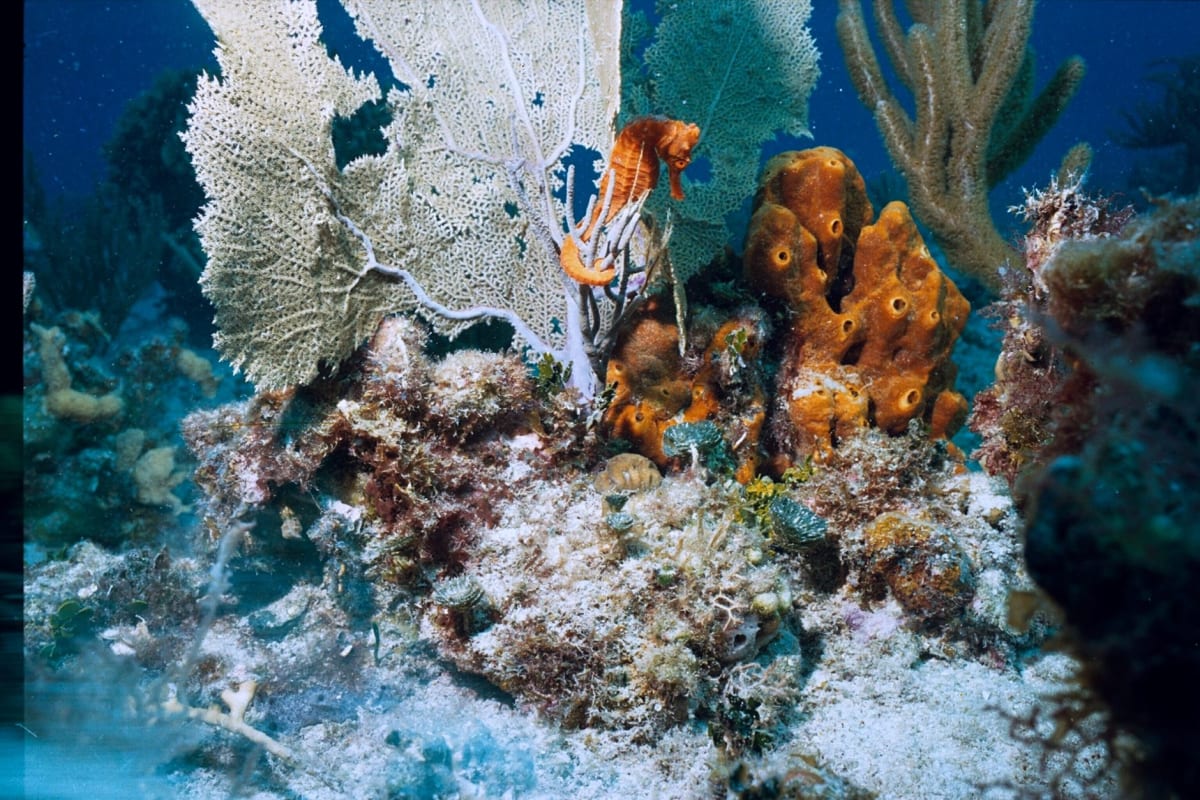
Bonaire's reef system—a continuous coral wall that begins in 30 feet and drops to crush depth—means you can spend an entire dive in the 25–45 foot range, where light penetration is optimal for photography and where the real macro abundance lives. Mantis shrimp. Painted filefish. Flamingo tongue snails. Spotted eagle rays cruising the sand aprons. Jawfish colonies. Seahorses. The species list isn't theoretical; these animals are documented residents, not seasonal visitors.
The Specific Reefs: Where to Enter
Calabas Reef (20–50 feet) is the macro photographer's standard. The coral head formations create natural lighting corridors, and the sand-to-coral transition—roughly 35 feet—concentrates bottom-dwellers: garden eels, jawfish, juvenile groupers. Visibility here runs consistently 80+ feet. Entry is a shallow beach walk on Bonaire's west coast; the reef starts 50 meters offshore.
Forest Reef (15–40 feet) favors wide-angle work and behavior documentation. The coral architecture—dense plate and brain coral formations—creates habitat complexity that supports dense fish populations. Trumpetfish hunt here reliably. Reclusive squirrelfish emerge in the late-afternoon dives. Entry is easy; the reef forgives shallow profiles and rewards bottom time.
Pink Beach (10–35 feet) is the deep breath moment—shallower than the others, with soft coral dominance and unusual species turnover. Sea horses, dragonets, and nocturnal octopi (especially in late dives) make it worth visiting twice. The southern exposure means slightly different current patterns; it's worth checking with local operators about swell timing before committing a full dive day here.
All three are accessible as house reefs—meaning you can walk from shore, no boat required. For photographers, this is liberation. You can repeat dives, dial in lighting, chase behavior without watching a dive computer clock and boat schedule.
Where to Base Yourself
Bonaire's accommodation ranges from eco-resorts to beachfront apartments. For active divers, the sweet spot is a property within walking distance of the house reef entries or offering direct dive shop affiliation. Turtle Bay Resort sits steps from reef access and houses a dive operation. Smaller lodges and vacation apartments (available through official tourism channels) line the western shore and are often owned by retired divers who understand that reef access and water gear storage matter more than luxury amenities.
Budget accommodation works fine here—Bonaire isn't built on hospitality pretense. It's built on reef access and the understanding that you're here to dive, not to be entertained between dives.
Gear and Preparation
Bring a macro lens setup if you're serious about photography—the Zeiss Macro 60mm optic mounted in a quality underwater housing (Nauticam housings are the standard for serious work) will reward patience with frame-filling nudibranch portraits and behavioral documentation impossible on wider optics. If you're just getting into underwater photography, a GoPro in a basic housing and some close-focus technique will capture 80 percent of what makes these reefs special, at a fraction of the cost.
For non-photographers, bring a dive light—even in daytime. The crevices and coral heads harbor species that won't emerge until you illuminate them, and November's sun angle means shadows are deeper than summer. A backup light (even a small LED) extends the range of what you'll actually see.
Certification to Advanced Open Water is standard; most divers arriving are already there. The house reefs don't require deep experience, but they reward the diving discipline that advanced certification teaches—navigation awareness, air management, understanding of bottom time and profile planning.
The Practical Reality
Bonaire enforces a marine park permit (roughly $25 USD for a week), required for any reef entry. This is non-negotiable and not a bureaucratic hassle—it's the mechanism that keeps the reefs this healthy. Pay it, recognize it as part of respecting the system you're diving.
The island has two dive shops with solid reputations and house reef knowledge. Both offer nitrox, which extends your bottom time on the shallow profiles these reefs encourage. Water entry is direct from shore; no seasickness, no boat motion to manage.
November 2026 is still technically the shoulder season—not peak tourism, which means the reefs see fewer divers than December through March. This is a feature, not a bug. Fewer people means more shy species visibility and less silt disturbance on the sand aprons where the best creatures hide.
Getting There
Plan Your Trip to Bonaire, Caribbean Netherlands
Check conditions and plan your scuba trip to Bonaire, Caribbean Netherlands on Epic Trips