
Fontainebleau: The Essential Guide to Europe's Premier Bouldering Destination
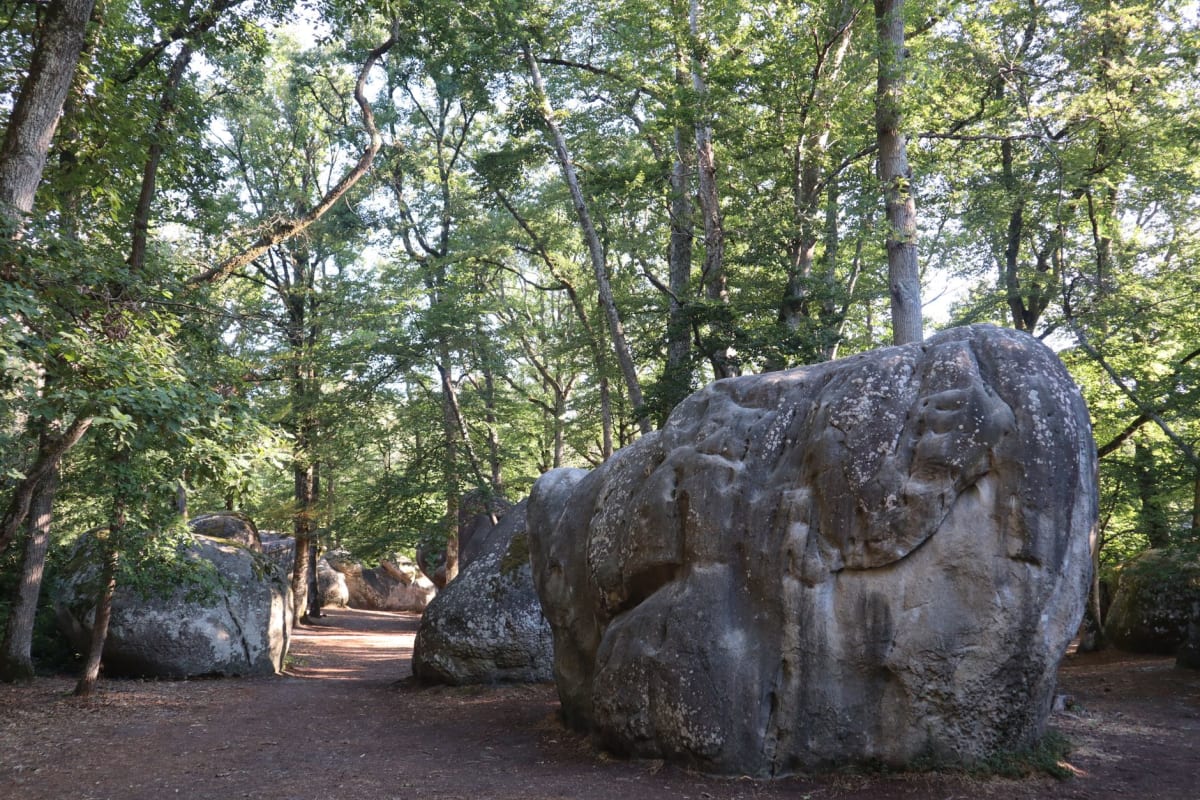
The forest around Fontainebleau, France is carpeted with sandstone blocks. Thousands of them. Some are the size of a car, others the size of a refrigerator, and they've been shaped by centuries of weather into pockets, slopers, crimps, and juggy features that feel designed by a mad architect. They're not. They're just there—a geological gift that has made this place, roughly 40 kilometers south of Paris, the pilgrimage site for boulderers across Europe and beyond.
Fontainebleau isn't a destination you climb because the logistics are convenient or the Instagram backdrop is perfect. You climb here because the rock demands respect, the problems are endlessly varied, and the culture of the community—locals and visitors alike—remains genuinely welcoming to people who show up to work.
Why Fontainebleau, and When to Go
The Epic Score data is clear: late October through November 2026 and March through May 2027 deliver the optimal window for Fontainebleau climbing. Temperatures hover in the 45–60°F range, humidity stays low, and the crowds thin considerably compared to the peak summer surge. Spring 2027 offers slightly better conditions—drier rock, stable weather—but autumn 2026 presents a shorter, sharper window that rewards planning. Winter climbing here is possible but unforgiving; the rock stays damp, and the sandstone's grip becomes unreliable.
The sandstone itself is the draw. It's coarse-grained and porous, aggressive on skin and psychologically honest—if you're not locked in, you'll know it immediately. The rock quality varies across zones, but the best blocks have a texture that rewards technique over pure strength. This matters. Fontainebleau teaches movement.
The Forest Zones: Where to Climb by Grade
The forest is divided into color-coded circuits—a system that serves both navigation and progression. Understanding the zones and their difficulty spreads is essential.
Bas Cuvier and Cuvier (orange and blue circuits) are the entry-level zones. These problems max out around V2–V3 (5.9–5.10a equivalent in sport grade terms). The approach is short, the problems are prototypical Fontainebleau—slopers, pinches, and awkward jugs—and the community energy here is instructional. You'll see climbers of all levels, and the volume of accessible problems means you can build foundational technique without ego.
92 (Rocher Canon) sits in the moderate sweet spot: V2–V4 territory. The blocks are larger, more complex, and the problems demand better footwork and body awareness. The zone is dense with options, which makes it ideal for climbers who've moved beyond pure beginner territory but aren't ready for sustained V5+ projects.
Trois Pignons is where Fontainebleau gets serious. This is the heavy zone—V4–V7 problems, some higher. The rock here is exceptional, and the blocks are often bigger and more serious. Approach times run 20–40 minutes from the main parking area. This is where project-oriented climbers spend weeks or months. The problems have names, stories, and loyal followers. Falls matter more here; spotting and pad strategy become critical. Bring a crash pad rated for serious impacts. The Black Diamond Mondozilla remains the industry standard for Fontainebleau's terrain.
Recloses and Mermaid are specialist zones. Recloses leans easier (V1–V3), while Mermaid is smaller blocks and often harder (V3–V6). Both are worth visits but less central to the classic Fontainebleau experience.
Gorges d'Apremont, southwest of the main forest, offers longer approach times and larger, more serious problems—often V5 and above. The rock quality is exceptional, but this is where navigation skill, fitness, and commitment matter. Come here with a group, good maps, and realistic expectations about daylight.
Accommodation and Logistics
Fontainebleau town itself has standard European hotel infrastructure—nothing glamorous, but functional. The real question is whether you want to stay in town or in the forest. Budget-conscious climbers camp; there are official campgrounds like Camping de la Forêt, which puts you close to the zones. Airbnb-style rentals and small hotels in villages like Barbizon (famous for its art scene, quiet atmosphere) work well for groups or longer stays. Expect to spend 60–80€ per night for basic accommodation.
For active travelers, the math is straightforward: you'll spend 4–6 hours climbing, 1–2 hours between zones and administration, and want a base where you can shower, eat, and rest without fighting traffic back to Paris. A cottage rental or small hotel 5–10 kilometers from the forest entrance makes sense.
What to Bring
A good crash pad is non-negotiable. The Mondozilla is industry standard for Fontainebleau's sandy forest floor and larger blocks. If you're new to it, the Metolius Session offers solid protection at a lower price point.
Wear climbing shoes that tolerate gritty, sandy rock—dusty conditions are constant. La Sportiva Tarantula or similar stiff-edged shoes handle Fontainebleau's technical micro-features better than soft shoes. Brush often.
Bring tape, a small first-aid kit, and realistic expectations about your skin. Sandstone is abrasive. Respect that.
Getting There
Paris-Orly is the logical entry point. Rent a car or take the SNCF train from Paris Gare de Lyon directly to Fontainebleau-Avon (40 minutes). From the station, local shuttles or a short taxi to the forest zones. Having a car gives flexibility, especially if you're moving between zones across multiple days.
The Culture
Fontainebleau works because climbers here understand that the forest is shared space. Problems are approached with respect, not conquest. You'll see climbers help each other with betas, share pads, and collectively maintain the zones. New climbers who show up with humility and a genuine interest in the rock find themselves welcomed immediately.
The circuit system and color coding eliminate confusion, but they also create structure to progression—something psychologically valuable when you're working through a plateau.
Ready to Go
Plan your trip for late October or November 2026, or spring 2027 for the most reliable conditions. The blocks will be there. The community will be there. The work is on you.
Explore Fontainebleau climbing trips on Epic Trips.
Plan Your Trip to Fontainebleau, France
Check conditions and plan your rock climbing trip to Fontainebleau, France on Epic Trips