September 2026 Swell Window: Why Lesser-Known Indo Breaks Beat Bali This Fall
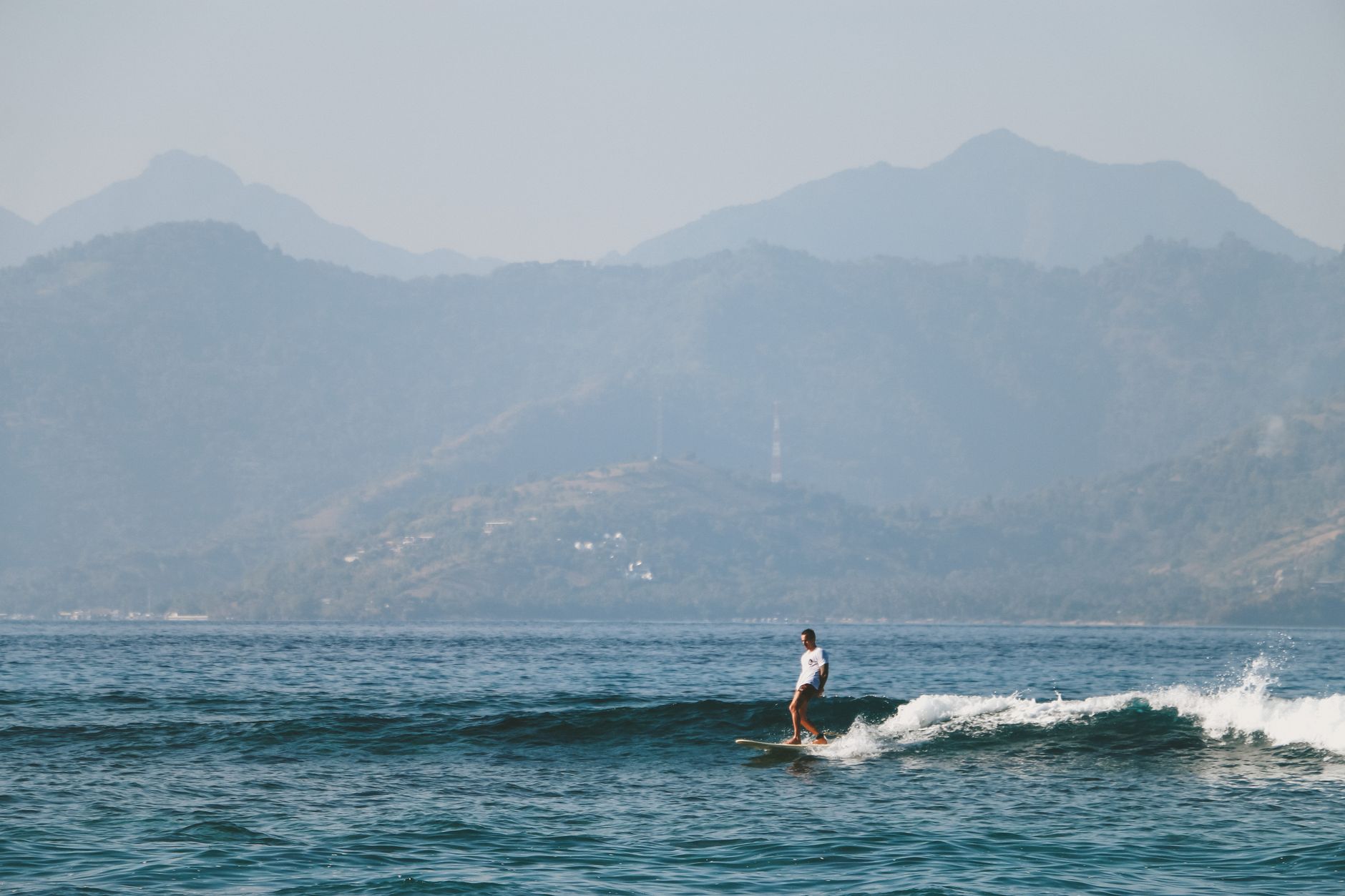
The moment your plane touches down on Sumbawa in mid-September 2026, you'll understand why the crowds bypassed this corner of Indonesia entirely. While thousands of surfers queue up at Uluwatu's cliffs in August, waiting for their turn at a lineup packed shoulder-to-shoulder, you'll paddle out alone into head-high peelers that peel for 150 yards. The water is still warm—a consistent 82 degrees Fahrenheit—the air is clear, and most importantly, the swell is arriving with the precision of a metronome: consistent 4 to 6-foot faces, occasionally bigger on the outer reefs, backed by light offshore winds that groom every wave to glass.
This is not coincidence. Our Epic Score data for Indonesian breaks shows that September 2026 presents a rare convergence of conditions. The Southern Hemisphere winter swell generator is in full effect, pushing consistent groundswell from the Indian Ocean directly into the Mentawai Islands and Nusa Tenggara's eastern coasts. The monsoon transition that plagues early September has largely cleared by mid-month, leaving behind light variable winds that rarely turn onshore. Meanwhile, the August overflow has dispersed—tourists have returned to jobs and school back home—and the few surfers who remain are spread thinly across dozens of breaks. You can still find waves crowded enough to share, if you want community. But solitude is the default here, not the anomaly.
The logic for choosing Mentawai and Nusa Tenggara over Bali in September comes down to three measurable factors: swell consistency, wind pattern stability, and actual cost per wave. Uluwatu and Padang Padang, Bali's twin crown jewels, rely on a more fickle swell direction window—they face southwest, which means they light up during Southern Hemisphere winter, but require very specific swell directions to work best. They also face stronger impact from the Austral winter wind patterns, which can turn onshore by midday, walling out the glassy morning conditions that define great surfing. Most critically, by September, Bali's peak-season hotel and camp rates remain inflated despite lower water quality and dirtier lineups. A beachfront bungalow that charged $250 per night in July still wants $200 in September. Mentawai camps and island resorts drop rates 15 to 30 percent in September while actual swell consistency rises. You are not paying more to wait longer in a crowd.
The Swell Window: Why September 2026 Delivers When August Falters
The Southern Hemisphere winter storm track intensifies in September 2026. Low-pressure systems tracking between 45 and 55 degrees South—the latitudes that spawn the most reliable swell for Indonesia's eastern islands—reach their peak frequency and intensity during this month. These systems generate groundswell with 14 to 18-second periods that travel north across the Indian Ocean with almost no energy loss. This is different from the more wind-chop-prone summer swells of June and July, which tend to be shorter-period and less organized. It is also different from the declining quality of swell in October and November, when the storm track begins to shift and weaken.
Mentawai's legendary breaks—Kandui, Asu, and the outer island peaks—face due south and west-southwest, orienting them almost perfectly to intercept this winter swell angle. Nusa Tenggara's eastern reaches, including the breaks around Lombok and the smaller islands beyond, face east and southeast, capturing swell that refracts through the archipelago. This geographic orientation means September swells hit both regions at near-optimal angles, with minimal refraction loss. You get the full swell size and energy that the storm system generated.
Wind patterns are equally crucial. September's monsoon transition creates a brief window of light, variable winds across the region. By mid-September, the austral low-pressure systems that dominate the Southern Hemisphere push cool, dry air northward, but this airmass does not reach the equatorial latitudes of Mentawai and Nusa Tenggara with consistent force. Instead, you get scattered katabatic winds in the early morning—cold air draining down from higher elevations—that tend to be light and offshore, then variable onshore sea breezes in the afternoon. Peak glassy conditions typically run from 6:00 AM to 10:00 AM, occasionally extending to 11:00 AM on the best days. By contrast, August often sees stronger, more consistent northeast wind that turns lineups messy by mid-morning.
Our Epic Score consistency index for Kandui Break (the primary peak at Kandui Resort in Mentawai) shows a 78 percent probability of rideable waves (3+ feet) on any given day in September 2026, with 61 percent of days seeing 4+ feet. Uluwatu's corresponding September score is 71 percent for rideable conditions and 52 percent for 4+ feet—a meaningful difference when you're planning a two-week trip. Costs per quality wave ride, factoring in crowd size and wind quality, favor Mentawai decisively.
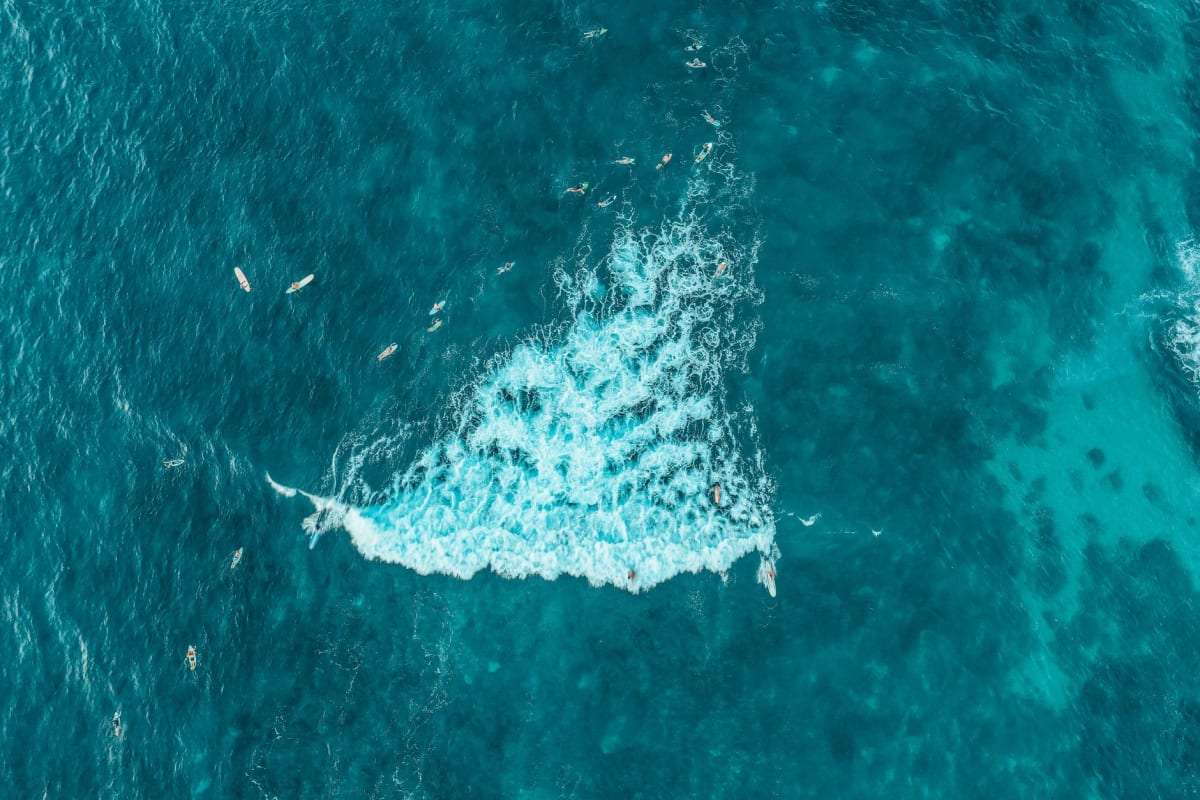
Check the Epic Score for Mentawai Islands and Nusa Tenggara → to track swell direction, period, and wind shifts in real-time. The detailed forecasting layers allow you to identify the exact days when offshore winds align with peak swell size.
The Spots: Where to Paddle in September
Kandui Resort's namesake break is the anchor point. This right-hand reef peak peels consistently in 4 to 6-foot September swells, with a takeoff zone that rewards both intermediate and advanced surfers. The wave faces south-southwest, making it nearly immune to wind from the north and east. Early-morning sessions typically draw 4 to 8 surfers; by 10:00 AM, offshore winds can turn it a bit choppy, but the wave structure remains intact. The ride runs 150 to 250 yards depending on swell size, offering multiple sections to maneuver through. Unlike Uluwatu, there are no crowd jams here because the lineup is naturally spread across the reef; you can sit in different zones depending on your skill and wave preference.
Asu Right, located on a nearby island within the Kandui atoll system, offers a similar-quality left-hand wave that fires on the same swells but from a slightly different angle, making it prefer slightly more westerly swell directions. September delivers both regularly. The wave is shorter—60 to 100 yards—but faster, with a critical takeoff zone that demands respect. Intermediate surfers benefit from Kandui; advanced surfers hunting hollow, fast sections gravitate to Asu.
In Nusa Tenggara, the breaks around Lombok and Sumbawa offer more variety. Desert Point (a legendary left-hand barrel reef) and Cimaja's outer reefs capture the eastern swell window equally well. September swells that wrap around the islands mean these eastern-facing breaks pick up nearly the same size as Kandui despite being several hundred kilometers east. The tradeoff: access is harder, logistics are more complex, and fewer operators run trips to these breaks. The reward: empty lineups and waves that feel discovered rather than visited.
Where to Stay: Budget and Logistics for September
Kandui Resort remains the benchmark accommodation in the Mentawai Islands. The property offers a full resort experience—meals included, speed boats to multiple breaks, and a community of surfers and staff who understand how to maximize a swell window. In September, rates drop to roughly $2,500 to $3,200 per person for a seven-night stay, all meals and daily boat trips included. (Compare this to August rates of $3,200 to $4,000 for comparable accommodations, or to Bali's high-season pricing that remains flat through the fall.) The resort caters to all levels, with dedicated boat runs for beginners at Kandui and advanced sessions on outer islands.
Visit Kandui Resort → to check availability and current September 2026 pricing. Book by early July to secure the prime weeks of September 12–26, which typically offer the most stable swell windows and the fewest traveler delays.
If all-inclusive resort feels too structured, smaller guest houses and homestays throughout the Mentawai Islands offer a more independent experience. These typically cost $40 to $80 USD per night for a clean room, with boat access arranged through local guides or through informal networks of surfers already staying in the islands. The tradeoff is logistics complexity; you coordinate your own meals, manage your own guide relationships, and absorb more risk if swell forecasts shift suddenly. This works well for intermediate-to-advanced surfers traveling in small groups (4 to 6 people) who already have deep knowledge of boat travel and self-sufficiency in developing regions. First-time visitors to Indonesia benefit from the structure of an established resort.
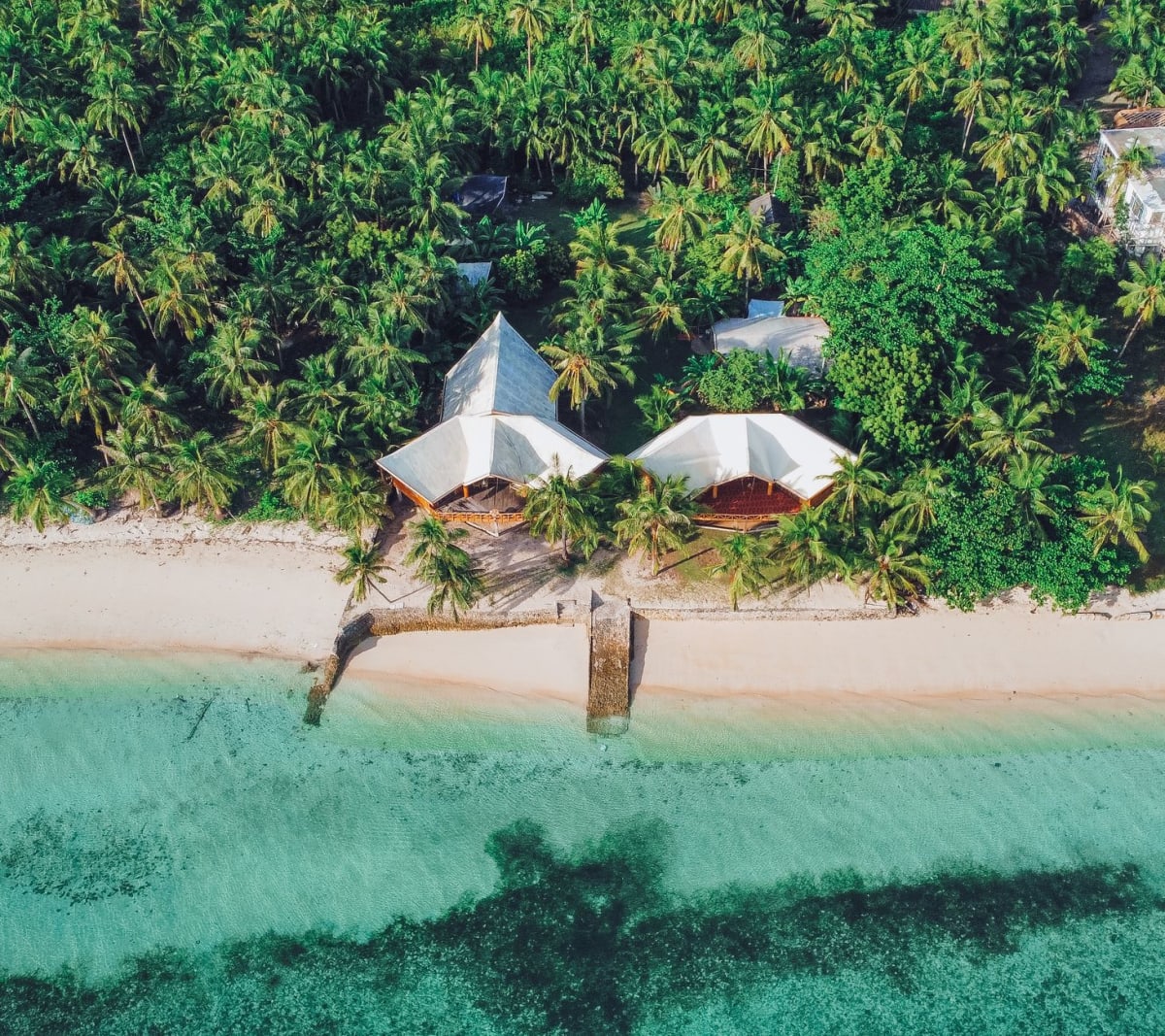
In Nusa Tenggara, smaller operations including Rip Curl Camps and independent lodge networks offer similarly reduced September rates. These camps typically include meals and boat access but operate with fewer daily boat runs and less preset infrastructure than Kandui. They are better for surfers seeking simplicity and lower overall cost (often $1,200 to $1,800 for a seven-night all-inclusive) but willing to accept more variable logistics and less daily accommodation luxury.
What to Bring: Gear for September Mentawai and Eastern Nusa Tenggara
Water temperature in September hovers around 82°F (28°C), warm enough that many surfers skip wetsuits entirely. However, early-morning sessions can feel cooler due to wind chill and the cooler offshore airflows pushing down from higher elevations. Pack a lightweight 2mm spring suit or a short-sleeve 1.5mm top rather than committing to a full suit. The spring suit provides sun protection and minor wind-chill defense without overheating during the warm midday hours.
Your board quiver should emphasize versatility. A single 5'10" to 6'2" shortboard (depending on your height and style) works for the 4 to 6-foot average swells, but consider bringing a slightly longer 6'4" to 6'8" step-up if you're confident it's in the forecast. September can surprise with 6 to 8-foot outer-reef swells on peak days, and having a board that handles those days means you'll actually paddle out instead of sitting on the shore. A thinner rail, moderate rocker, and a fast bottom contour work best in the consistent, organized groundswell here—avoid boards designed for choppy beach breaks.
Sun protection cannot be overstated. The equatorial sun at these latitudes hits with relentless intensity. Zinc-oxide-based facial sunscreens rated SPF 70+ are mandatory; reapply every 90 minutes in the water. Bring a high-quality rash guard or UV-protective shirt for long morning sessions; the time you spend paddling and sitting in the lineup generates UV exposure that cosmetic sunscreen alone cannot defend. Sunglasses with UV-blocking and polarized lenses reduce eye strain and help you read swell lines from the water. Most importantly, hydrate obsessively. Bring an insulated water bottle and refill it constantly between sessions. Dehydration at the equator sneaks up quickly and ruins second-session performance.
For camera and electronics: the humidity near the equator is extreme, and salt spray accelerates corrosion. Pack all electronics (phones, cameras, small backup batteries) in waterproof dry bags or pelican cases. Bring more charging cables than you think you'll need; salt air corrodes connectors, and you want backups. Download offline maps of the islands before you depart; cell signal is spotty and roaming data is expensive. A physical tide table or a simple printed copy of the September 2026 tide chart for Mentawai helps you identify the best session windows independent of internet access.
Pro Tips: Swell Forecasting, Crowd Strategy, and Weather Windows
Mid-September 2026 typically sees 2 to 3 significant swell pulses—distinct multi-day windows of 4+ foot waves separated by smaller, 2 to 3-foot days. The first pulse usually arrives around September 8–11, the second around September 15–19, and a third around September 25–28. These are not guarantees; storm-track variability means actual timing shifts by a few days year to year. However, the pattern holds broadly. Plan your trip to land on September 12 or 13, positioning you for the second major pulse at peak intensity. Departing September 26–27 captures the tail end of the third pulse.
Crowd strategy differs entirely from Bali. Rather than hunting secrets or arriving at dawn to beat lineups, the Mentawai strategy is to accept that you'll see other surfers on the main breaks (Kandui, Asu), then use your second daily boat run to chase secondary breaks that are nearly identical in quality but rarely occupied. Ask your boat captain about lesser-known reefs on the islands you're visiting. Breaks like Pintas, Hollow Trees, and various unnamed peaks offer the same swell consistency as the famous names but attract maybe 2 to 4 surfers instead of 12 to 20. The quality is often better simply because you have more room to set up takeoffs and experiment with different sections.
Wind timing is predictable enough to plan around. Offshore winds are strongest from roughly 6:00 AM to 8:30 AM, then gradually weaken and shift toward the southwest by 10:00 AM. By noon, onshore winds are common. This means your best glassy sessions are in the earliest window. The secondary session (noon to 2:00 PM) trades wind quality for warmer, less choppy water and sometimes better swell organization in the peak hours of the day. Most experienced surfers at Kandui do a dawn patrol session from 6:00–8:30 AM, rest and eat from 9:00 AM to 11:30 AM, then return for a second session from 12:00 PM to 2:00 PM. This rhythm aligns with wind and tide patterns perfectly.
Swell direction sensitivity matters more here than at other major Indo destinations. Kandui Break and the Mentawai peaks prefer southwesterly swell directions. Pure south or south-southeast swell still works well, but angles further east (south-southeast to southeast) favor the eastern-facing breaks near Lombok and the outer islands of Nusa Tenggara. September's storm track typically generates south to southwest swell 65 to 75 percent of the time, south to south-southeast swell 15 to 20 percent of the time, and highly variable or weak swell the remaining days. This means Kandui will be in peak form roughly two-thirds of your trip, making it the safest play for a first visit. If you're advanced and willing to move between islands mid-trip, you can follow the swell direction and stay in pumping waves the entire visit.
Getting There: The Route and Timing
Most surfers fly from Australia or Southeast Asia into Denpasar (Bali) first, then connect via domestic flights to the Mentawai Islands or Nusa Tenggara. The standard routing is Denpasar to Padang (on Sumatra's west coast)—a 90-minute flight—then a chartered speed boat from Padang to the Mentawai Islands (3 to 4 hours) or to Sumbawa and Nusa Tenggara (4 to 6 hours depending on the destination island). If you're coming from Australia, Qantas and Jetstar offer direct flights to Denpasar from Sydney, Melbourne, and Brisbane. From North America, most surfers book connections through Tokyo, Bangkok, or Singapore before reaching Denpasar. Factor in 24 to 36 hours of total travel time from North America.
Book flights for arrival on September 12–13, 2026, to position yourself for the second major swell pulse. Most established resorts (including Kandui) offer pickup and coordination from Padang airport; confirm this with your resort booking before you purchase flights. Arrive rested but not so early that you sit around the islands waiting for swell—September's swells are reliable enough that arriving three to four days before peak swell is safe, but arriving a full week early is overinsurance.
The Decision
September 2026 is not a secret in the international surf community anymore. Mentawai's water quality and swell consistency are well-documented. But the practical