
Fall Swell Season in Portugal: Why September 2026 Is the Underrated Peak for Atlantic Swells
The Atlantic rolls in harder in September than most people realize. While winter brings consistent swell to Portugal's coast, it also brings crowds thick enough to spoil the lineup. By mid-September 2026, when most surfers are still planning their winter trips, the Atlantic will begin delivering the same quality waves—clean, organized sets rolling in from distant storms—but with water temperatures in the comfortable 21–23°C range and a fraction of the competition in the water.
This is not a consolation season. This is a calculated bet that pays out, week after week, from late September through October 2026. The Atlantic hurricane season peaks in September and October, which means swells cross the basin with reliable frequency. Low-pressure systems spin up off the African coast and Iberian peninsula itself, generating localized groundswell that hits the Portuguese coast hard and clean. The wind patterns favor offshore conditions on breaks that are sheltered in winter. The combination is rare enough that knowing when and where to be is the difference between an ordinary trip and one you'll still be recounting in 2027.
Portugal has been riding a wave of surf-tourism recognition for nearly two decades now, but the narrative has remained static: winter swells, small towns, cheap beer, legendary breaks. That framing is not wrong—it's just incomplete. The autumn window delivers something different: the same quality of swell with more favorable conditions and fewer foreigners in the water competing for position.
Why Portugal's Autumn Swell Deserves Your Attention
The Atlantic's storm track in September and October 2026 will favor Portugal directly. Tropical systems forming in the Cape Verde region spin northwestward, and their groundswell energy travels in an almost straight line toward the Algarve and central coast. Unlike winter, when swells arrive after being refracted and bent around storm systems in the North Atlantic, autumn swells come in fresher and more organized. The fetch is longer, which means individual sets are more defined and predictable—a detail that matters enormously if you're reading conditions on an unfamiliar break.
Water temperature is the second factor most surfers underestimate. In September 2026, Atlantic-facing beaches will sit between 20–23°C depending on location and specific week. That range allows competent surfers to get by with a light summer wetsuit or rash guard during early September, graduating to a 3/2 or 2/2 by late October. Winter temperatures drop to 13–15°C, making a full 4/3 essential and extending sessions into genuine cold-water territory. For a one-week trip, you're looking at the difference between packing one suit versus three, and between sessions that feel regenerative versus sessions that feel like endurance training.
Check the Epic Score for Portugal → to see the specific swell window breakdowns by week. The data shows that the first two weeks of September will see inconsistent pulses from leftover tropical moisture, but by the third week—late September 2026—organized Atlantic swells hit with 4–6 foot faces on exposed reefs and 3–5 foot waves on beachbreaks. By October, you're looking at reliable 5–7 foot faces on medium-period swells, with standout days pushing overhead.
The Specific Breaks: Where to Paddle
Portugal's central and southern coasts are a archipelago of distinct breaks, each tuned to different conditions and skill levels. Understanding which spot handles which swell direction and wind pattern is the difference between a good trip and a wasted morning.
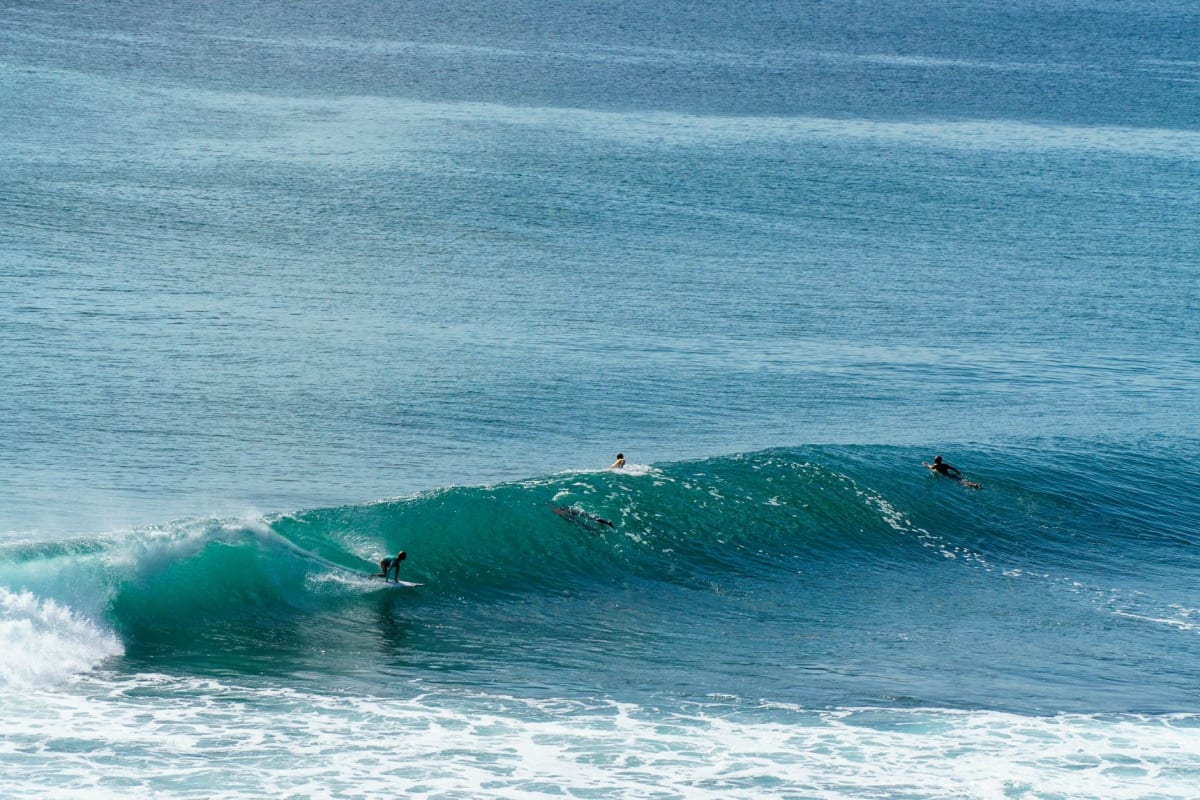
Peniche's Supertubos, located on the central coast north of Lisbon, is the country's most famous reef pass for a reason. The break wraps a headland and handles swells from multiple directions, but it truly lights up when autumn Atlantic swells arrive from the southwest. In September and October 2026, expect 4–6 foot faces on the main reef, with consistent tubes when the tide sits in the sweet spot—typically mid to high tide when swell is in the 4–5 foot range. This is an intermediate to advanced break; the reef is sharp and the take-off steep. Beginners should watch, not paddle. The town of Peniche itself has accommodations and restaurants within walking distance of the break, making it a natural base for a week of autumn sessions.
South of Lisbon, the Algarve coast offers a different character entirely. Praia da Luz, near the town of Lagos, is a long sandy beach that breaks in multiple peaks depending on swell direction and sandbar configuration. In September 2026, when Atlantic swells come in consistent and organized, Praia da Luz will handle 3–4 foot faces with smooth, peeling walls that reward good technique. This is the break for intermediates looking to improve their bottom turns and rail-to-rail transitions in forgiving conditions. The water stays warmer here than further north, and the town of Lagos—a walled medieval fortification perched above the beach—offers restaurants, galleries, and an actual economy that does not revolve entirely around tourism.
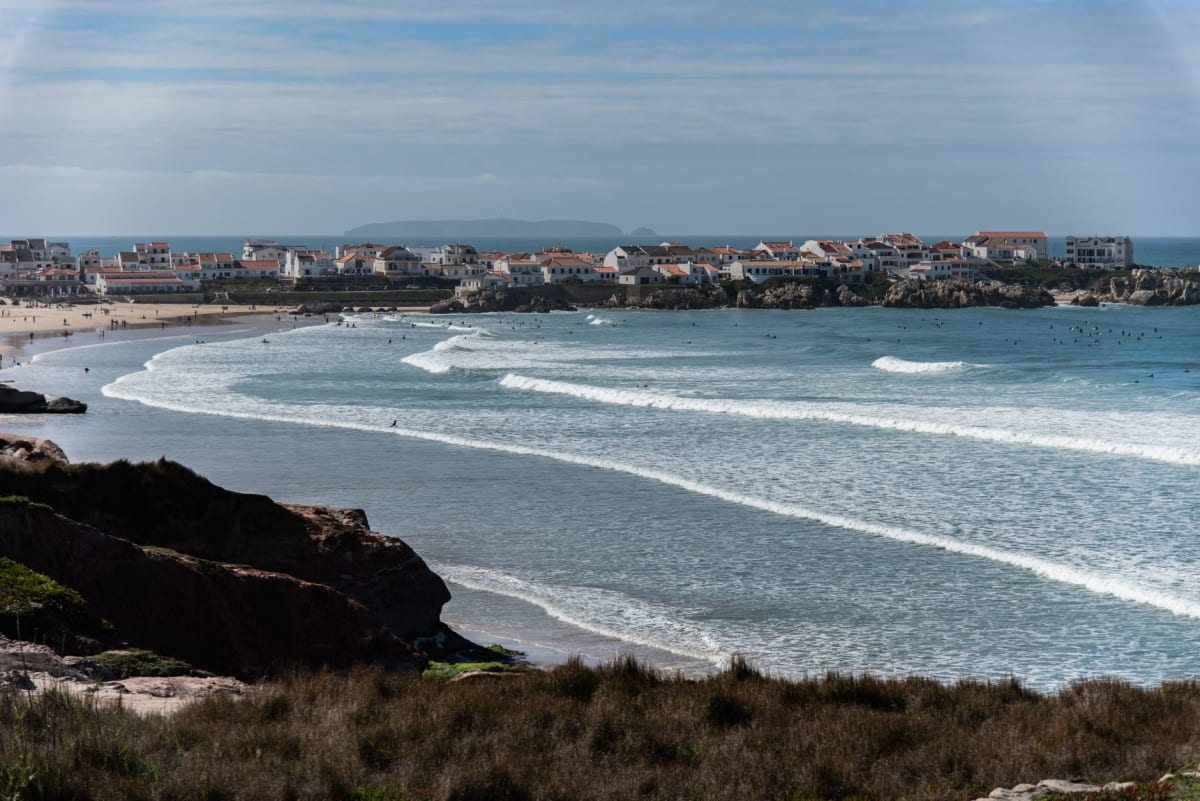
For advanced surfers chasing barrels and dramatic topography, Arrifana in the southwestern Algarve is your target. The break sits on a rugged headland and faces directly into the Atlantic, making it sensitive to swell direction and size. In September 2026, when medium-period swells arrive at 4–5 foot faces, Arrifana will be firing with clean, hollow right-handers over a shallow reef. The take-off requires commitment; the barrel is real. This is not a learning beach. This is where you go when you already know how to read offshore structure and make calculated drop-in decisions.
Meco Beach, south of Lisbon in the Setúbal Peninsula, is the east-coast alternative for days when the Atlantic gets too big or the wind switches. Meco faces southeast and benefits from swell wrap from the Atlantic, making it a reliable backup when your primary destination is blown out. The waves here are mushier and more accessible than the reefs, ideal for intermediate surfers who want a different feeling on their second or third session of the day. The beach is less built-out than the Algarve, giving it a quieter character even in late September and October when casual tourists are still filtering in.
Where to Stay and How to Plan Your Days
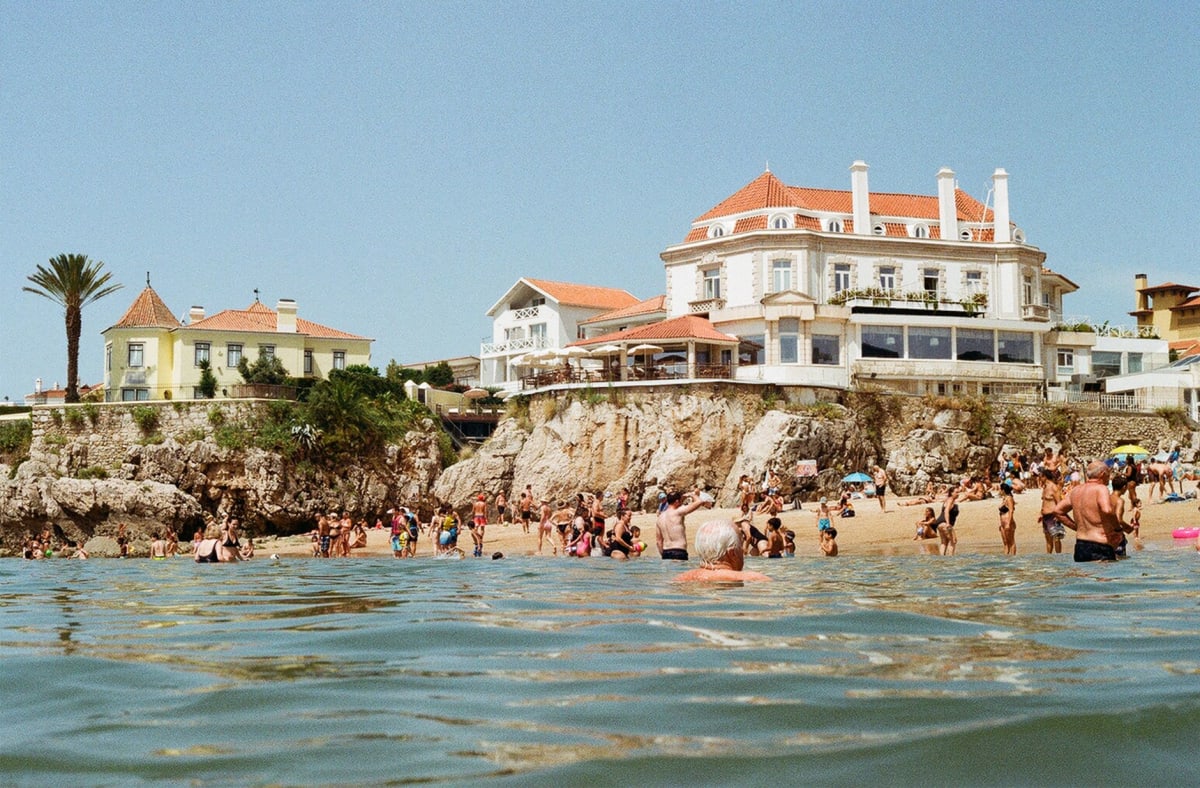
The best base for a September 2026 autumn swell trip depends on which breaks you prioritize and how much logistics flexibility you want. If you're committing to the reefs and planning to spend most of your time in the lineup, proximity matters. If you're happy to rotate between two or three different spots and trade some driving time for variety, staying in a central location and day-tripping is smarter.
For the central coast focused on Peniche, the town itself is the obvious choice. Local accommodations range from budget hostels to small guesthouses with character. Look for properties within a 10-minute walk of the beach so that early dawn sessions don't require a 20-minute drive. Properties with kitchens are invaluable; preparing your own meals rather than eating out three times a day will extend your trip budget considerably and give you control over pre-session and post-session nutrition.
The Algarve—Lagos, Light, and the surrounding towns—offers more conventional tourist infrastructure. If you want a hotel with amenities like a restaurant, pool, and reliable WiFi, the Algarve towns will have options. The trade-off is that prices are higher and the towns feel more developed. A week in a mid-range Algarve hotel in September 2026 will run €80–120 per night; a guesthouse in Peniche will be €50–80. Neither is expensive by Northern European standards, but the difference compounds over a week.
One practical detail most guides skip: book your accommodation with flexibility built in. If a swell forecast shows a peak on day four of your trip, you want the option to rebook your first night somewhere else and arrive when conditions are actually good. Many guesthouses and smaller hotels will allow rebooking without penalty if you contact them directly and explain what you're doing. The large hotel chains will not.
What to Bring: The Specific Packing List for September–October
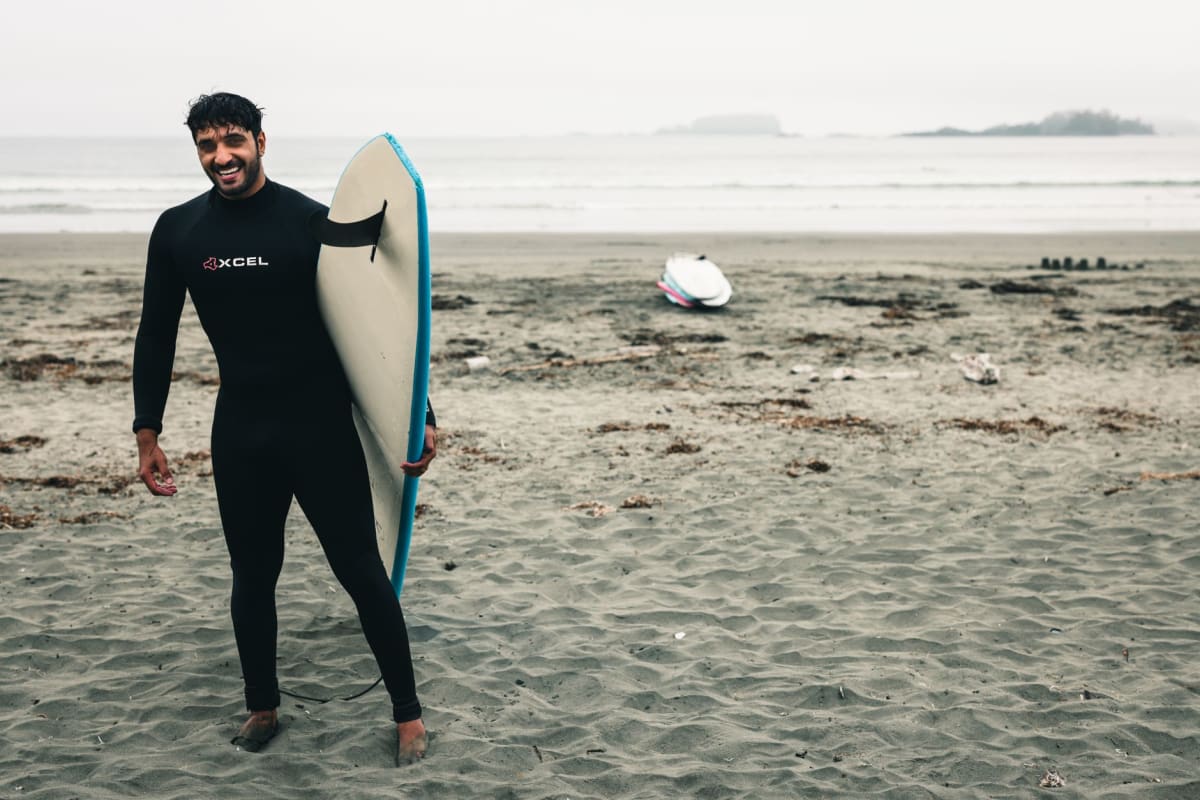
The gear you pack for September in Portugal is different from what winter surfers bring, and getting it right determines comfort across the range of conditions you'll actually encounter.
For wetsuits, bring a 3/2mm spring suit as your primary piece. You'll wear this 80 percent of the time. A light summer suit or rash guard is useful for early September sessions when water is warmest and sun is strong. A 2/2mm is the practical middle ground if you're only packing two pieces. Water temperatures in late September and through October will creep toward 18–19°C on colder days, making a true spring suit the most versatile single piece. The Xcel Thermolite X2 series (from Xcel's official site) is designed for precisely this temperature range—thermal lining on the inside of the chest and torso, sealed seams, and enough stretch that you're not sacrificing paddle power for warmth. Look for a suit with taped or sealed seams rather than blindstitching; the cost difference is minor and the durability gain matters over a week of multiple sessions.
Bring a wetsuit hood if you're sensitive to cold water in your ears. This sounds minor until you've experienced the cold headache that comes from water repeatedly flushing your ear canal. A quality hood—sealed around the face and with adequate throat coverage—makes the difference between uncomfortable and manageable in 18–19°C water.
For boards, bring two: one in the 5'8"–6'0" range for the autumn swell size you'll be targeting (3–5 foot faces), and one in the 5'4"–5'8" range as a backup for larger or more challenging days. Portuguese breaks reward refined technique over raw power, so boards with modest rocker and forgiving bottom contours will perform better than aggressive high-performance shapes. The Pyzel Surfboards (from Pyzel's official site) Ghost or Prophet models are trusted by intermediate to advanced surfers navigating diverse break conditions. If you're flying and can't bring a board, renting locally is straightforward; Peniche and Lagos both have rental shops, though boards are typically softer beginner-focused shapes that require more effort to generate speed.
Bring reef booties if you're planning to surf Supertubos or Arrifana. The rocks are sharp and the risk of infection from a cut is elevated in warm water. A simple 2–3mm neoprene bootie with a rough sole will protect your feet and improve traction on slippery rocks.
Sun protection is not optional in September. The sun at this latitude is still intense, and spending 6–8 hours in the water exposes your face, neck, and shoulders to significant UV. Bring a dedicated water-based sunscreen (not the kind that washes off in 30 minutes) and reapply after each session. Zinc oxide or mineral-based sunscreens are less likely to sting your eyes in saltwater than chemical alternatives.
Pro Tips: What the Local Guides Won't Tell You
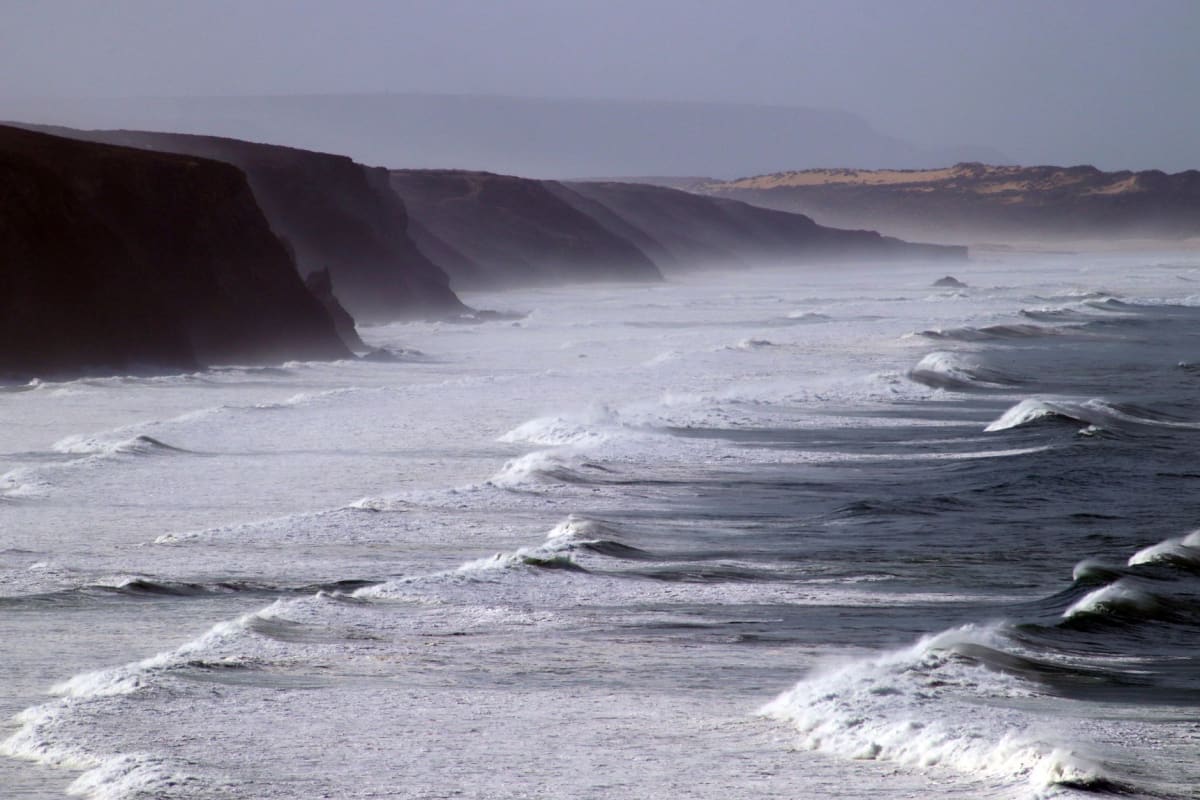
The swell window in September 2026 has specific peaks and valleys worth timing around. Hurricane season Atlantic swells typically arrive in 3–5 day pulses. The first 36 hours of a pulse are often the cleanest—winds have not yet picked up, the swell is fresh, and the shore break has not degraded the sandbar. Plan your big sessions for the first or second day after a new swell arrives, not the third or fourth when local wind has turned onshore.
Autumn brings thermal wind patterns that older guides might not mention because they're more relevant to September–October than to winter. By mid-afternoon most days, thermals push a light onshore breeze from the Atlantic inland. This is not the screaming onshore wind that destroys waves, but it does soften the shape. Morning sessions—before 10 a.m.—will be crisper and more organized. If you're staying near a break, early sessions are not a luxury; they're a tactical choice.
The Portuguese do not wake up early by Anglo-Saxon standards. Coffee shops in small coastal towns open at 8 a.m., not 6 a.m. If you're planning a dawn patrol session, bring coffee and pastries from a supermarket the night before. The local bakeries are excellent but they will not be open when you need them.
Crowds are real in September, but they're manageable compared to winter. Peniche will have other surfers in the water, but you will not be fighting 30 people for 10 waves like you would in January. The Algarve breaks attract fewer foreign surfers; most tourist traffic is beach families, not surfers. Show respect for local surfers by paddling around them rather than dropping in, and most lineups will accept you immediately.
Portugal's break locations are close to each other but the roads between them are not highways. Driving from Peniche to Lagos takes 3.5–4 hours. If you're planning a multi-spot trip, either book accommodations for 3–4 nights in each location or accept that you'll spend a lot of time driving. Day trips to unfamiliar breaks are possible but risky; you're arriving tired and without local knowledge of tide, sandbar, or crowd dynamics.
Getting There: The Practical Route
The main entry point to Portugal for international surfers is Humberto Delgado Airport in Lisbon, roughly 7 kilometers from the city center. It's the largest airport in the country and served by most major European carriers. From North America, you'll likely connect through a European hub—typically London, Paris, or Zurich. Direct flights from the U.S. East Coast are available on TAP Air Portugal (the national carrier) with reasonable flight times; cross-country flights are more efficient when routing through Lisbon rather than other European cities.
From Lisbon airport, car rental is available and necessary for a swell-chasing trip. Book a basic sedan or small SUV from major agencies at the airport. Petrol (gasoline) is expensive compared to North America but not shocking by European standards. The drive from Lisbon to Peniche is 100 kilometers and takes 1.5 hours. The drive from Lisbon south to Lagos is 450 kilometers and takes 4.5–5 hours depending on stops. If you're flying in and immediately heading to a break, budget 2–3 hours from airport to car rental to departure.
September 2026 is outside of peak summer travel season in Portugal, meaning flights will be cheaper than July and August, and car rental will have better availability. This is an underrated advantage of traveling in September rather than winter; prices are lower even though conditions are often better.
Check the Forecast and Commit
Check the Epic Score for Portugal → by early August 2026 to monitor the Atlantic for developing storm systems that will become September swell. The forecast models diverge significantly beyond 14 days, but you can start identifying which weeks are likely to have swell activity. By early September, you'll have reliable 7–10 day forecasts. Use that window to lock in your flights and accommodations with the understanding that you may shift your dates 2–3 days if a major swell is predicted.
The surfers who get the best autumn trips are not the ones with perfect planning. They're the ones who book flights with flexibility, monitor conditions obsessively in the days before departure, and are willing to adjust their itinerary when a forecast shifts. September 2026 is coming. Plan now, stay flexible, and be ready to go when the Atlantic lights up.
Plan Your Trip to Portugal (Algarve & Central Coast)
Check conditions and plan your surfing trip to Portugal (Algarve & Central Coast) on Epic Trips