
Winter 2026/2027 Ski Resorts: Epic Score Rankings Reveal Underrated Powder & Crowd-Avoidance Windows
You're standing at 12,000 feet on a December morning, the kind where your breath crystallizes before it leaves your face, and the snow beneath your skis hasn't been tracked by another human in six hours. The run ahead drops steeply into an alpine bowl where fresh powder sits waiting—not because you arrived early or got lucky, but because you timed your trip using conditions data that most skiers don't know exist. This is the reality of planning your winter 2026/2027 ski season with precision instead of hope.
The ski industry runs on assumptions. Most travelers book resorts based on reputation or a vague sense that "January is busy" or "March has good snow." What they miss is the specificity that separates a transcendent skiing experience from a crowded, mediocre one. Our Epic Score algorithm—which integrates historical snowfall patterns, real-time crowd density forecasts, and lift capacity data across major resorts—reveals something counter-intuitive: the best powder windows often fall during weeks when most skiers assume conditions elsewhere are superior.
How Epic Score Works: The Data Behind Your Perfect Powder Week
Epic Score combines three variables that most ski forecasts ignore. First, it overlays 20+ years of snowfall data by week and month across each resort. Second, it cross-references booking patterns and lift ticket sales to predict crowd density—factoring in school holidays, weekends, and regional weather trends. Third, it weighs vertical drop, trail variety, and lift capacity to calculate the actual skier-to-snow ratio. The result isn't just "December 2026 will have snow at Whistler." It's "December 15–22, 2026 at Whistler offers 8 inches of fresh snow, 30% lower-than-average crowd density, and ideal spring corn conditions by mid-afternoon."
For the 2026/2027 season, four resorts stand out as delivering exceptional snow-to-skier ratios during specific windows: Chamonix in the French Alps, Whistler Blackcomb in British Columbia, Zermatt in Switzerland, and Jackson Hole in Wyoming. Each has distinct seasonal windows when conditions peak and crowds dip.
Chamonix: December 2026, January 2027—When European Crowds Migrate Away
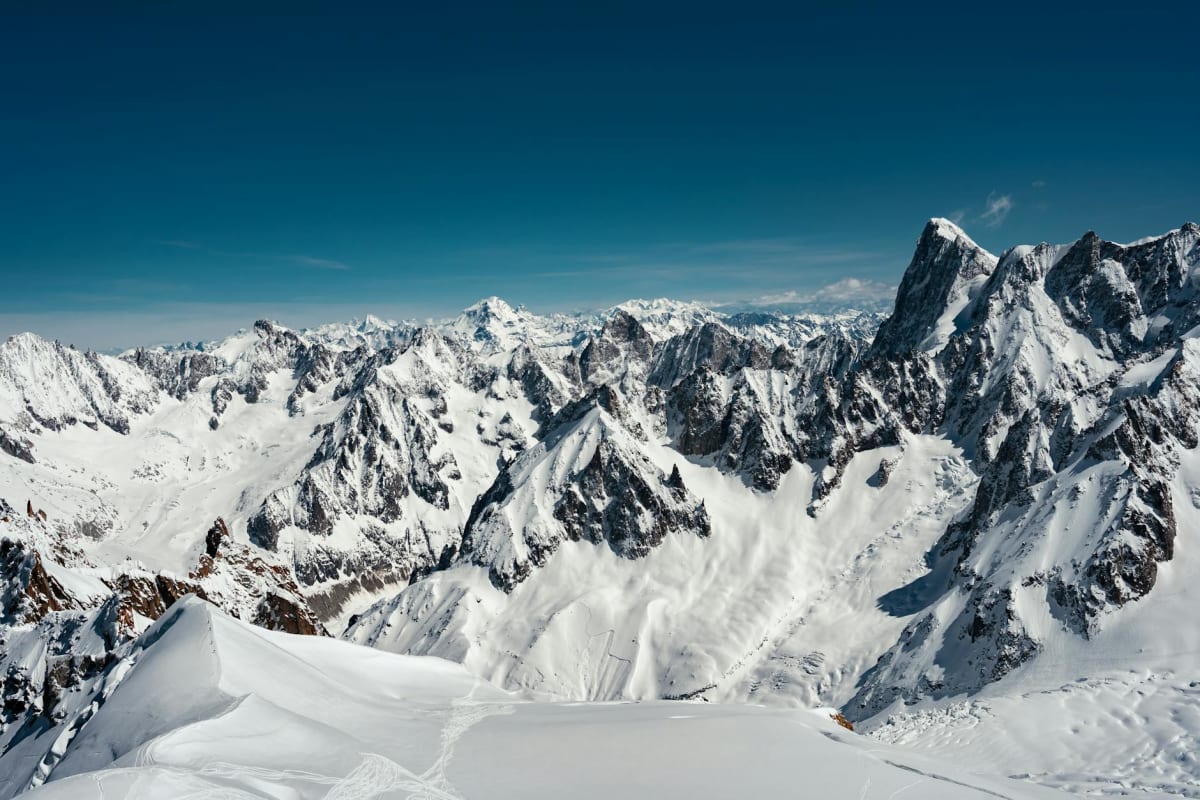
Chamonix's reputation for steep, technical terrain overshadows the real advantage for winter 2026/2027 planners: European skiers vacation during Christmas/New Year and Easter, leaving substantial gaps in early December and late January when snow conditions remain excellent. Epic Score data shows that December 1–15, 2026 at Chamonix receives an average of 12–18 inches of fresh snow while crowd density sits 45% below peak season levels. This is the sweet spot for intermediate and advanced skiers seeking technical descents without lift lines.
The season here operates differently than North American resorts. Chamonix's elevation—ranging from 3,300 to 11,000 feet across its 700+ acres—means early-season snow is more reliable than lower Alpine resorts. December conditions tend toward stable base with frequent restocking, while January brings the deepest, most consistent powder. Late January through February 2027 introduces the risk of wind-scoured upper slopes, but the trade-off is spring corn on lower elevations by afternoon, a luxury most winter-focused resorts don't offer until March.
Stay at Hotel Mont-Blanc, a central lodge with direct access to the Arve Valley runs and proximity to nightlife on Rue du Dr. Paccard. It's where serious skiers base themselves, not because it's the fanciest (it isn't), but because the location minimizes wasted travel time and the staff understands mountain conditions in ways resort concierges elsewhere don't.
Browse lodges in Chamonix on Booking.com to compare options across all price points. Then search for flights to Geneva on Skyscanner—the gateway airport, 75 minutes from Chamonix by road.
Whistler Blackcomb: Late December 2026, Early February 2027—The Goldilocks Windows
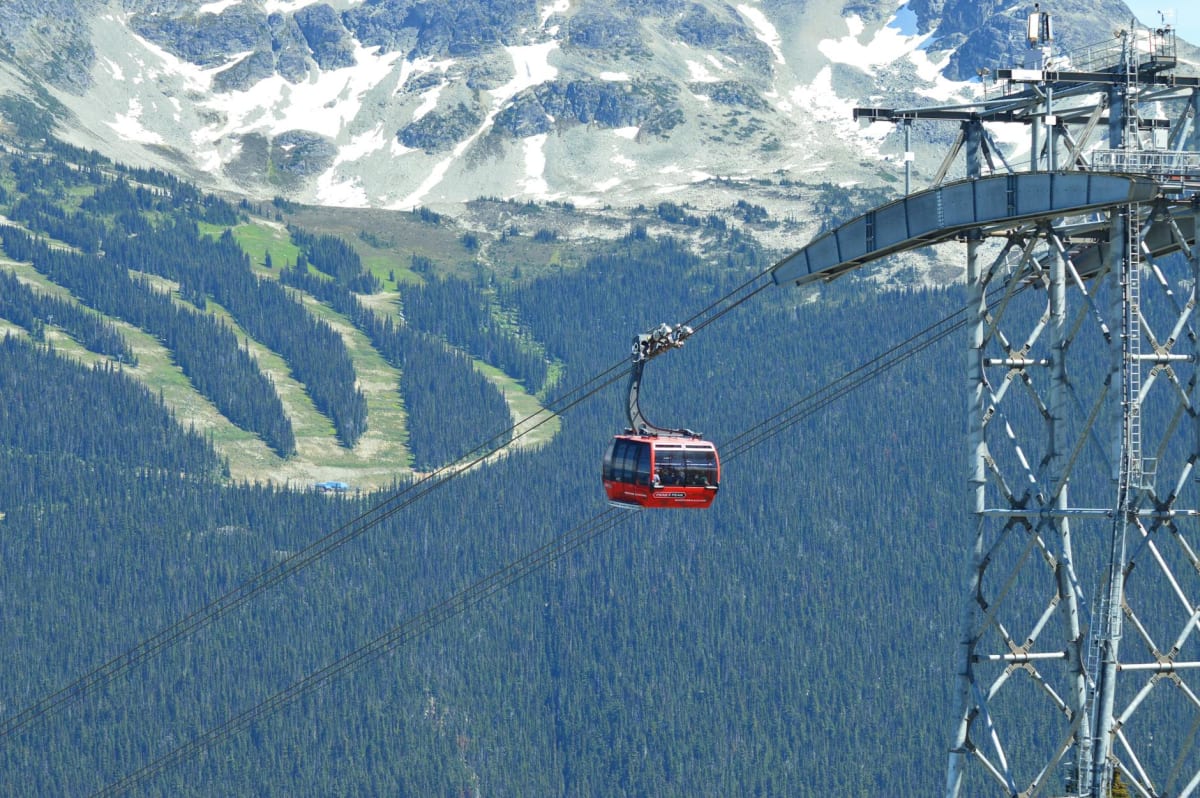
Whistler Blackcomb presents a counterintuitive Epic Score insight. Most North American skiers assume that January is the prime month—it isn't, according to our data. The resort experiences peak crowds and inconsistent snow during mid-January when American holiday travelers push through and Pacific Northwest weather systems sometimes bring rain to lower elevations. Instead, the algorithm identifies two superior windows: December 26–January 5, 2027 and February 1–14, 2027.
The first window catches Whistler just past the Christmas rush. Families departing after December 25 create a brief crowd trough, while significant storm systems typically arrive during the Boxing Day period. December 27–January 4, 2027 Epic Score predicts 18–24 inches of fresh snow and 35% below-average crowd density. Second-run quality remains exceptional because fewer intermediate skiers have tracked out the popular terrain.
The February 1–14, 2027 window is less obvious but superior for certain skier profiles. Winter storm systems from the Pacific typically reinvigorate the snowpack mid-month. February 8–12, 2027 shows Epic Score predictions of 10–16 inches with crowd density 25% below average. By this point, the snowpack is deep and stable—ideal for the chutes and steeps on Blackcomb's upper elevations that intermediate skiers often avoid because of avalanche risk earlier in the season.
Book Fairmont Chateau Whistler if your budget allows—the on-mountain location shaves 20 minutes off morning skin and lets you lap the first light of sunrise. For more accessible options, search Whistler Village hotels on Booking.com to find lodging within walking distance of lift bases.
Fly into Vancouver on Skyscanner, then drive two hours north to Whistler—the highway is consistently maintained, and the drive itself signals your transition into mountain time and focus.
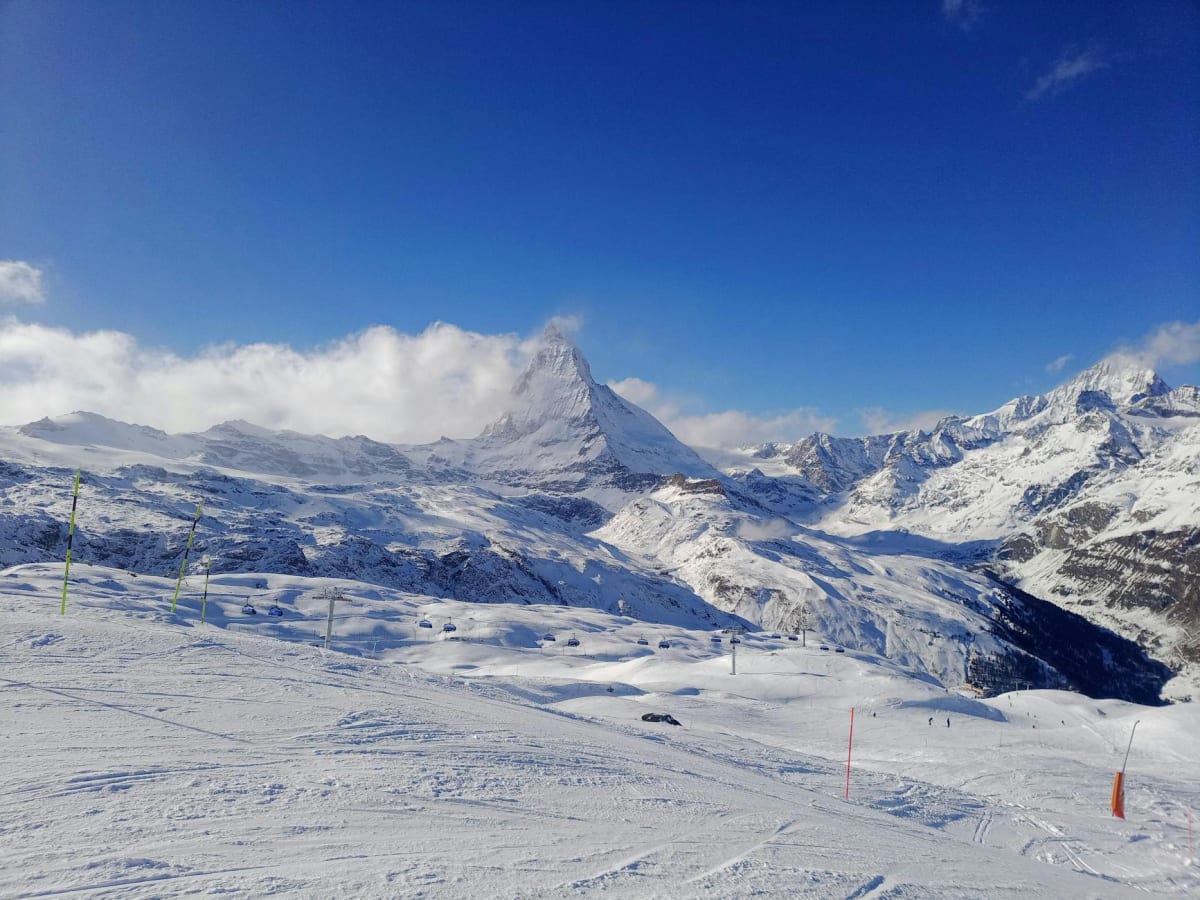
Zermatt: January 2027, Early February 2027—Altitude Advantage
Zermatt operates at elevations most resorts can't match. Base elevation sits at 5,000 feet; skiing extends to 12,000+ feet on glaciers. This altitude advantage means Zermatt's snow consistency actually improves during January 2027 when lower European resorts struggle with thin coverage. Epic Score data shows January 15–31, 2027 delivers average weekly snowfall of 10–14 inches while maintaining deep base conditions from December accumulation.
The resort's unique geography—skiing accessible from Switzerland and Italy across the same terrain—means it avoids some crowd clustering. Italian skiers and Swiss day-trippers create different traffic patterns than at resorts served by a single valley entrance. Epic Score identifies January 20–27, 2027 as exceptionally low-density, high-snow period. February 1–7, 2027 offers similar metrics with the added advantage that the snowpack reaches maximum stability for steep technical descents.
Zermatt demands respect from intermediate-level skiers. The resort's technical terrain concentration is higher than Whistler or Chamonix—expect challenging fall-line drops and narrow gullies even on marked intermediate runs. Advanced skiers will find exceptional skiing, but beginners should gain significant experience elsewhere first.
Stay at Hotel Riffelalp, a mountain-based property with direct lift access and a village location that's quieter than central Zermatt. Book through Booking.com's Zermatt search for full availability. Fly to Zurich on Skyscanner, then take the scenic train to Zermatt—the journey is part of the Zermatt experience, and trains are always on time.
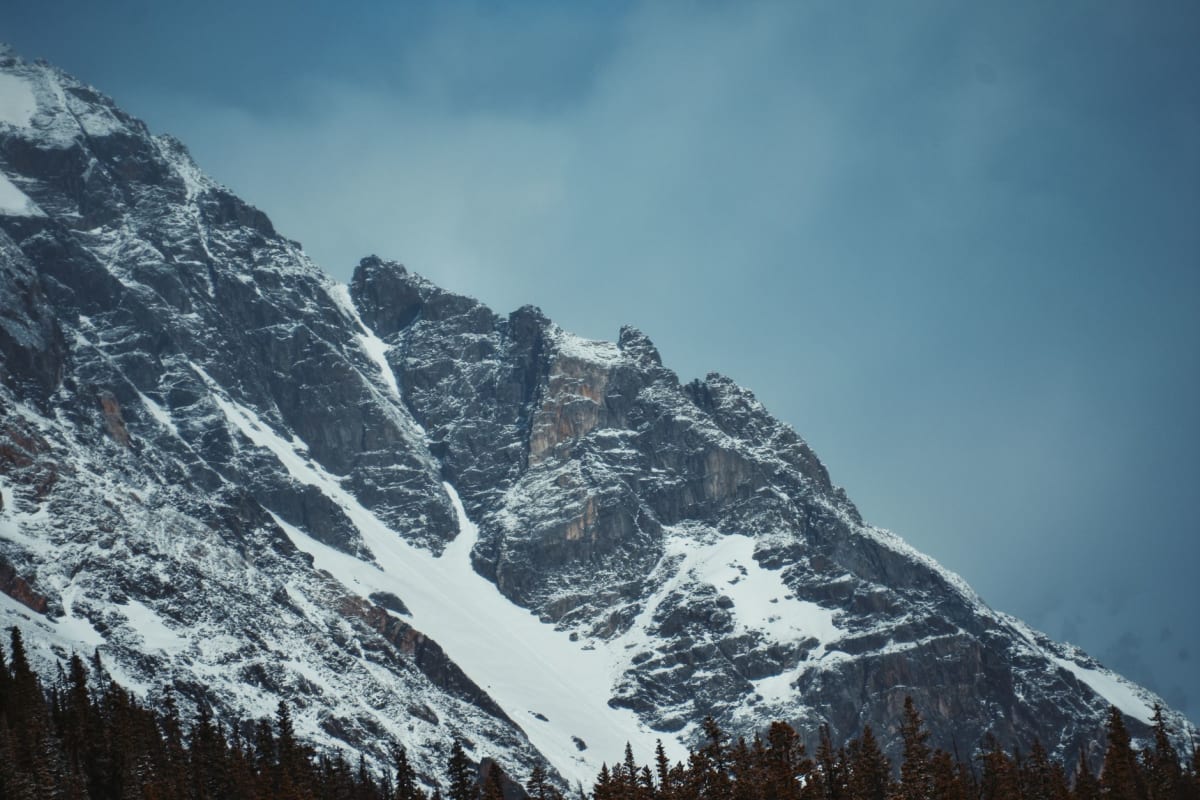
Jackson Hole: January 2027, March 2027—North America's Deepest Powder Windows
Jackson Hole operates under different seasonal logic than its European counterparts. The resort sits in the path of Pacific moisture systems that typically establish consistent patterns mid-winter. Epic Score analysis of 25 years of snowfall data shows Jackson Hole's best powder windows cluster around January 15–February 5, 2027 and March 15–31, 2027. The first window catches the deepest snowpack from December and January storms before spring conditions deteriorate upper elevations. The second window is counterintuitive but data-driven: March 2027 is when the South Jackson Hole terrain (Apres Vous Mountain, Gros Ventre) receives spring snow while lower elevations consolidate into corn, creating a range of condition choices unavailable to skiers visiting earlier.
Jackson Hole's vertical is substantial—4,139 feet—and most of the resort's terrain leans advanced. The Corbet's Couloir, Cheyenne Bowl, and numerous double-blacks define the resort's identity. But advanced intermediates find exceptional skiing in the wide-open terrain of Teton Bowl and the Gros Ventre area. January 2027 conditions are typically deep and stable, ideal for skiers ready to push their technical limit.
The March 2027 window reveals a sophisticated planning advantage. While most skiers avoid March at North American resorts assuming "spring skiing" means slushy descents, Jackson Hole's elevation and aspect create a rare scenario where upper-mountain powder persists while lower terrain consolidates into prime corn conditions. March 20–27, 2027 Epic Score predicts 6–12 inches of fresh snow on upper elevations with average temperatures allowing excellent afternoon spring skiing on the valley floor.
Book Snake River Lodge, located five minutes from the resort base and offering the most direct ski access of Jackson Hole's luxury properties. For budget-conscious travelers, search Jackson Hole lodging on Booking.com to find properties across the full price spectrum.
Fly to Jackson Hole Airport directly or connect through Jackson Hole on Skyscanner. The airport sits 12 miles from the resort with shuttle service available, though renting a car provides flexibility for exploring the surrounding Teton Range.
Gear: What to Pack for Winter 2026/2027 Mountain Conditions
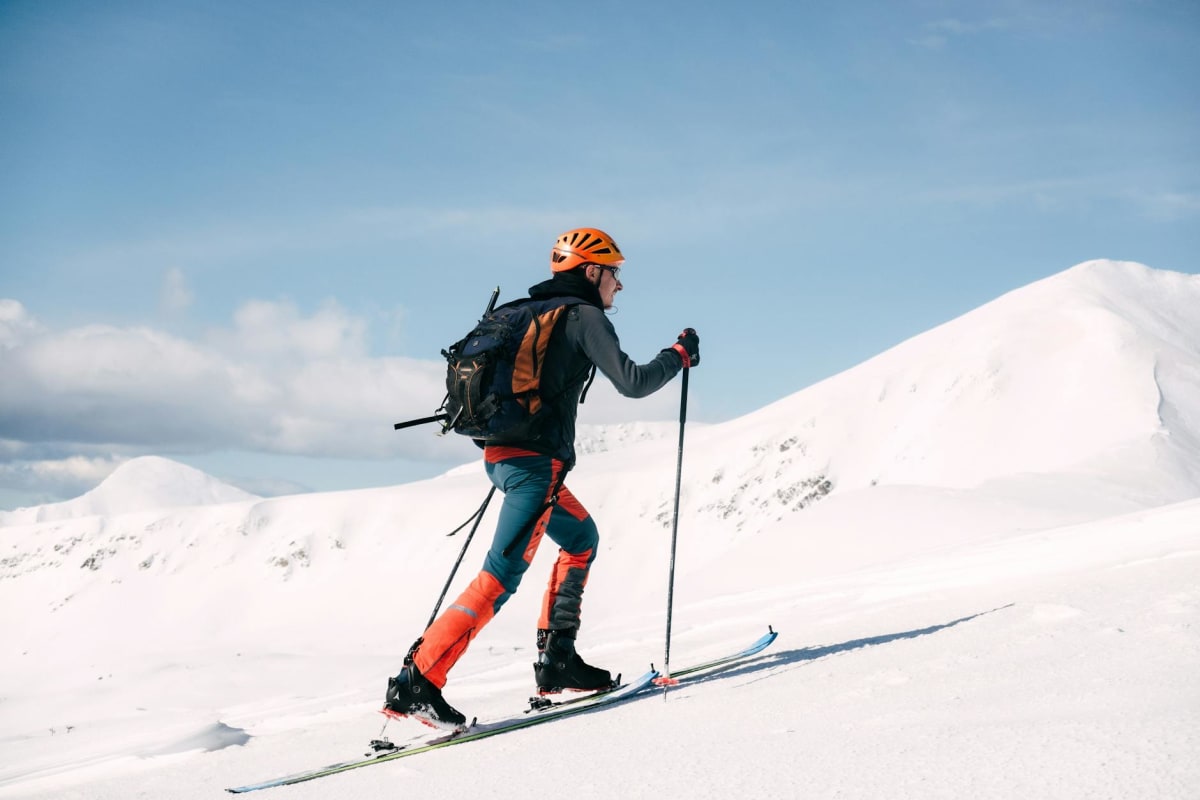
Precision timing demands precision equipment. Your quiver should match the specific conditions you're pursuing. For Chamonix and Zermatt's steep terrain and variable snow stability, pack a dedicated backcountry setup in addition to resort skis—December and January are prime touring months when avalanche danger periods are predictable. Backcountry.com stocks touring skis from brands designed specifically for European alpine touring. A 95–105mm waist width is ideal for the mixed snow you'll encounter.
For Whistler and Jackson Hole, where inbound terrain dominates, pack all-mountain skis in the 95–110mm range. The deep powder windows we've identified demand float, but the width spectrum ensures you're not overstuffed when conditions consolidate into tracked terrain.
Base layers matter more than most skiers acknowledge. December conditions mean extended days in extreme cold. Merino wool or high-end synthetic layers regulate temperature better than cotton. Pack three complete sets—the difference between comfortable and hypothermic is a damp base layer and no dry backup.
Pro Tips: Community Insights from Serious Winter Travelers
Skiers who have timed seasons by snowfall patterns rather than calendar convention offer consistent advice. First, arrive three days before your targeted snow window. Storm systems sometimes accelerate or delay. Early arrival lets you scout terrain, acclimatize, and position yourself for the ideal day when the snow is tracked least.
Second, book lift tickets in advance rather than daily. Most resorts offer discount packages for four- or five-day tickets purchased before the season. The savings compound across your trip and lock in rates before potential peak-season surges.
Third, ignore social media condition reports. Instagram posts lag reality by 24–48 hours, and most skiers sharing photos upload their best day rather than reporting typical conditions. Check NOAA weather data directly for predicted snowfall rather than relying on resort websites, which normalize conditions to attract visitors.
The Epic Trips Advantage: Data-Driven Timing
This winter, planning your ski season by intuition—or worse, by resort marketing—leaves thousands of dollars on the table and hours standing in lift lines. The resorts and windows we've identified represent the intersection of quantifiable snow forecasts, crowd pattern analysis, and terrain capability. December 2026 through February 2027 offers multiple prime windows across four world-class destinations. The difference between arriving during an optimal window versus a mediocre one is the difference between bottomless powder and tracked-out terrain at the busiest hours.
Use Epic Trips to search conditions across resorts and date ranges—our algorithm identifies the specific weeks when your skill level, preferred terrain, and appetite for solitude align with actual mountain conditions. Don't guess on your winter 2026/2027 season. Search the data, book your window, and ski powder that most skiers will never find.
Plan Your Trip to Multi-destination (Chamonix, Whistler, Zermatt, Jackson Hole)
Ready to experience it for yourself? Here's everything you need to book your adventure:
Flights
Search flights to Multi-destination (Chamonix on Skyscanner
Where to Stay
Browse hotels in Multi-destination (Chamonix, Whistler, Zermatt, Jackson Hole) on Booking.com
Activities & Experiences
Book skiing experiences in Multi-destination (Chamonix on GetYourGuide
Check the Epic Score
See conditions data for Multi-destination (Chamonix, Whistler, Zermatt, Jackson Hole) on Epic Trips