

Great Surf Resorts in Central America: Where to Stay for World-Class Waves
Central America stands as one of the planet's most consistent and accessible surf destinations. From the Pacific's powerful reef breaks to the Caribbean's mellower beach waves, this region offers something for every skill level—and where you sleep matters as much as where you surf. A great surf resort isn't just a place to rest your head; it's a operational base that puts you in the water at first light, stores your gear safely, feeds you well, and connects you with local knowledge. This guide spotlights the best accommodations across Central America's top surf zones, covering everything from budget-conscious camps to luxury eco-resorts where comfort and proximity to waves are equally prized.
Epic Score Context: Best Months and Wave Conditions
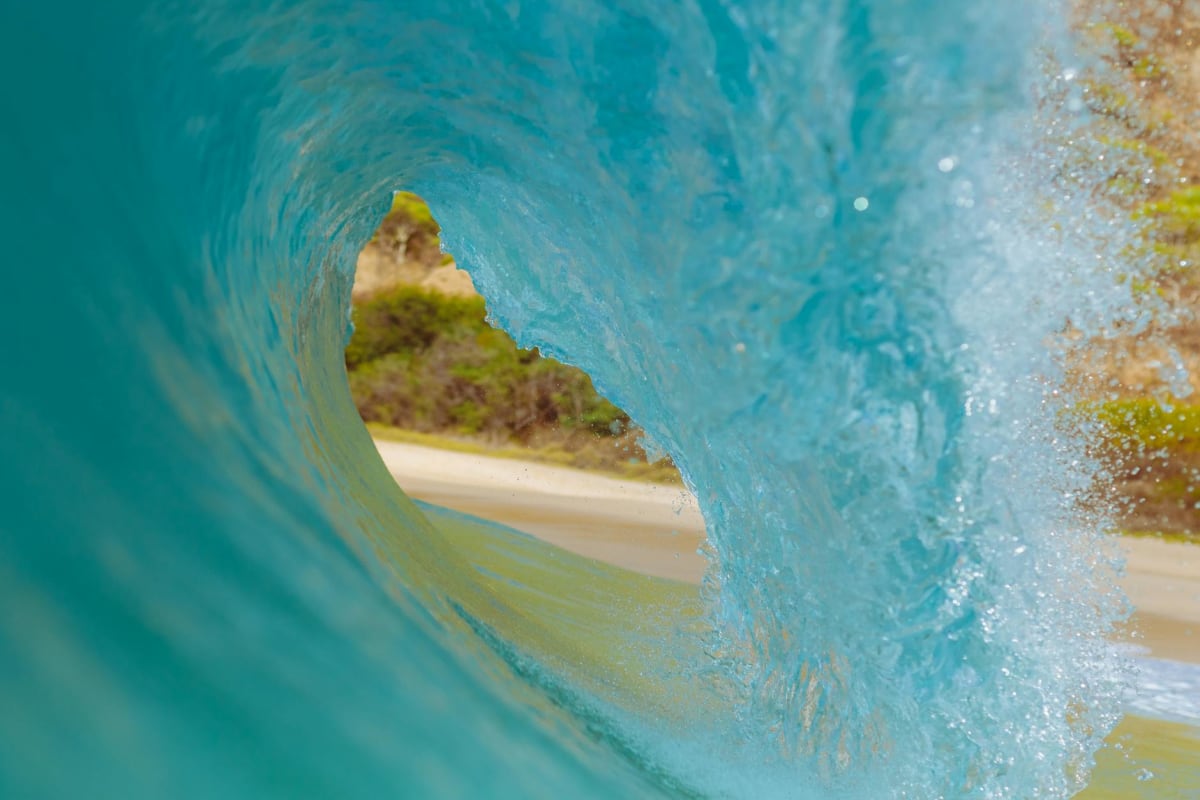
Central America's surf season splits into two distinct windows. The Pacific side fires hardest during the dry season—May through November 2026 is prime time for consistent swells, warm water, and minimal rain. The Caribbean coast (particularly Nicaragua's Caribbean side and parts of Costa Rica) works best during the opposite window: December 2026 through April 2027, when trade winds groom the breaks. Water temperatures remain warm year-round, ranging from 78–82°F, so boardshorts are sufficient everywhere.
For the most reliable conditions and lowest shoulder-season prices, plan your trip for September through October 2026 or March through April 2027. These months offer fewer crowds than peak season while maintaining solid swell windows. Expect 4–8 foot average waves on the Pacific, with occasional 10+ foot swells during autumn 2026.
Top Accommodation Picks Across Price Ranges
Budget to Mid-Range: Hostel Selina and Retreat Resorts
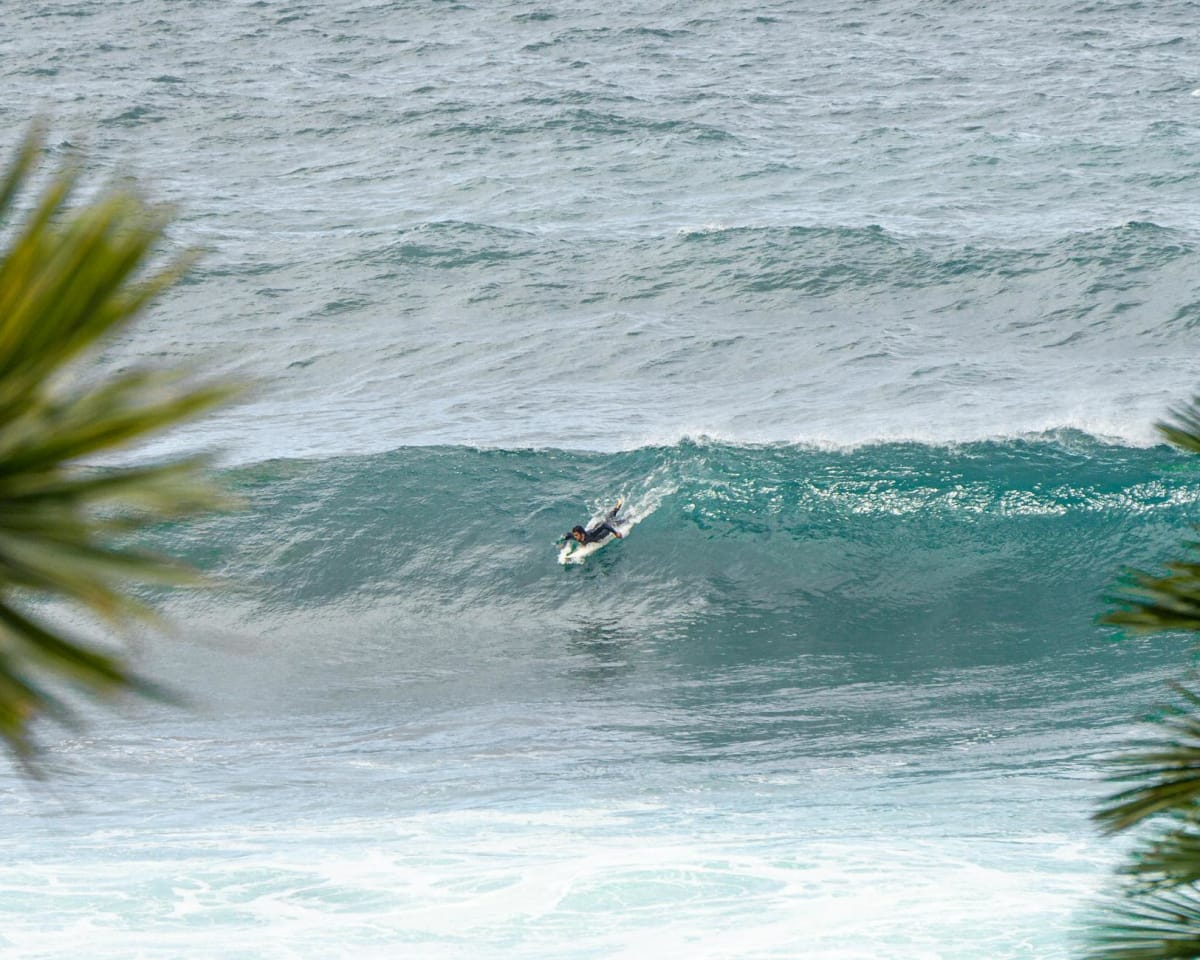
For travelers prioritizing location and value, Selina operates multiple properties across Costa Rica and Nicaragua with a co-working, hostel-meets-resort model. Their beachfront locations in places like Nosara and San Juan del Sur put you within walking distance of quality breaks. Dorm beds start at $35–50 per night; private rooms climb to $120–180. Amenities include gear storage lockers, drying racks, and group breakfast service at 6 AM to catch the dawn patrol. The social atmosphere attracts active travelers, and staff coordinate daily surf shuttle services to nearby spots.
Mid-Range: Surf Camp Tamarindo and Manuel Antonio Basecamp
Surf Camp Tamarindo sits 200 meters from Playa Tamarindo in Costa Rica, one of Central America's most forgiving beach breaks. Private bungalows with ceiling fans and screened porches run $90–150 per night. The property includes a communal kitchen (critical for budget surfers), open-air gear drying room, and direct beach access. The owner is a former pro surfer who offers informal coaching alongside sunrise group paddles. Breakfast is available at the on-site café, and the staff books consistent shuttle runs to Ollie's Point reef breaks 30 minutes north.
Mid-Range to Luxury: Rio Celeste Lodge and Eco-Resort Network
For surfers seeking eco-conscious hospitality without breaking the bank, Rio Celeste Lodge in northern Costa Rica blends rainforest immersion with proximity to both Malpais beach breaks and the famous Witch's Rock lineup. Double rooms with private baths and screened decks cost $130–200. The lodge operates a fleet of boards available for guests, hires English-speaking local guides, and serves family-style dinners sourced from the property's organic farm. Gear storage is climate-controlled, and staff arrange sunrise transfers to breaks across a 45-minute radius.
Book Rio Celeste Lodge on Booking.com
Premium: Morgan's Rock Hacienda and Eco-Lodge
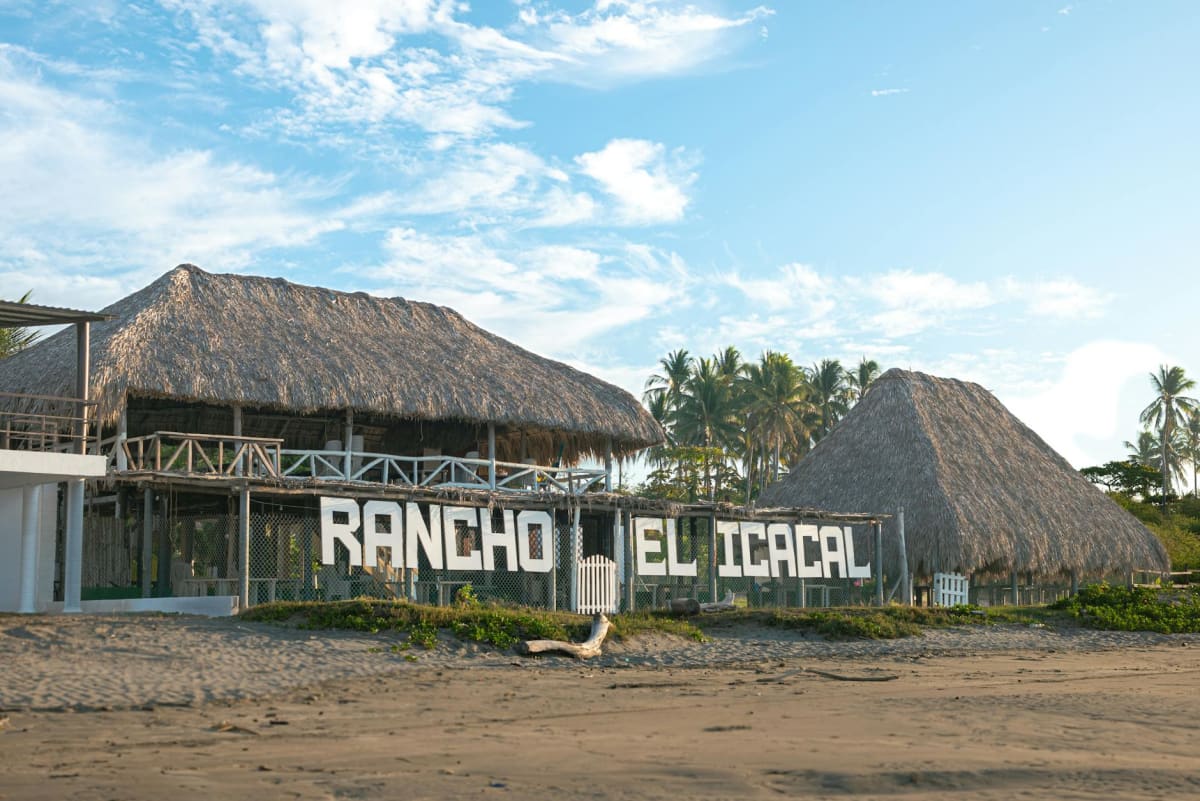
For surfers unwilling to compromise on comfort, Morgan's Rock in southern Nicaragua sits on 60 acres of private beachfront within sight of the iconic right-hand reef break at San Juan del Sur. Bungalows feature sustainable timber construction, rainfall showers, and ocean views; rates run $280–400 per night. The resort includes a spa, farm-to-table restaurant, and dedicated "wave report room" where guides and oceanographers brief guests on daily swell. A private boat departs at 5:15 AM daily for nearby breaks, and the property stocks premium boards (including specialty shortboards for advanced surfers). Gear drying facilities are temperature-controlled, and the concierge arranges multi-break itineraries for longer stays.
Reserve at Morgan's Rock on Booking.com
Luxury: Four Seasons Resort Costa Rica Peninsula Papagayo
For ultimate all-inclusive luxury near surf, the Four Seasons Resort Costa Rica on Peninsula Papagayo offers beachfront suites ($500–900 per night) with direct access to Bahia Culebra's multiple beginner and intermediate breaks. While marketed as a traditional resort, its proximity to consistent waves and dedicated watersports team make it a serious contender for surfers seeking high-end service. The resort arranges private surf coaching with certified instructors, maintains an equipment room with rental boards, and operates daily shuttle service to famous breaks like Witch's Rock and Ollie's Point.
Check Four Seasons rates on Booking.com
Essential Amenities Checklist for Active Surfers
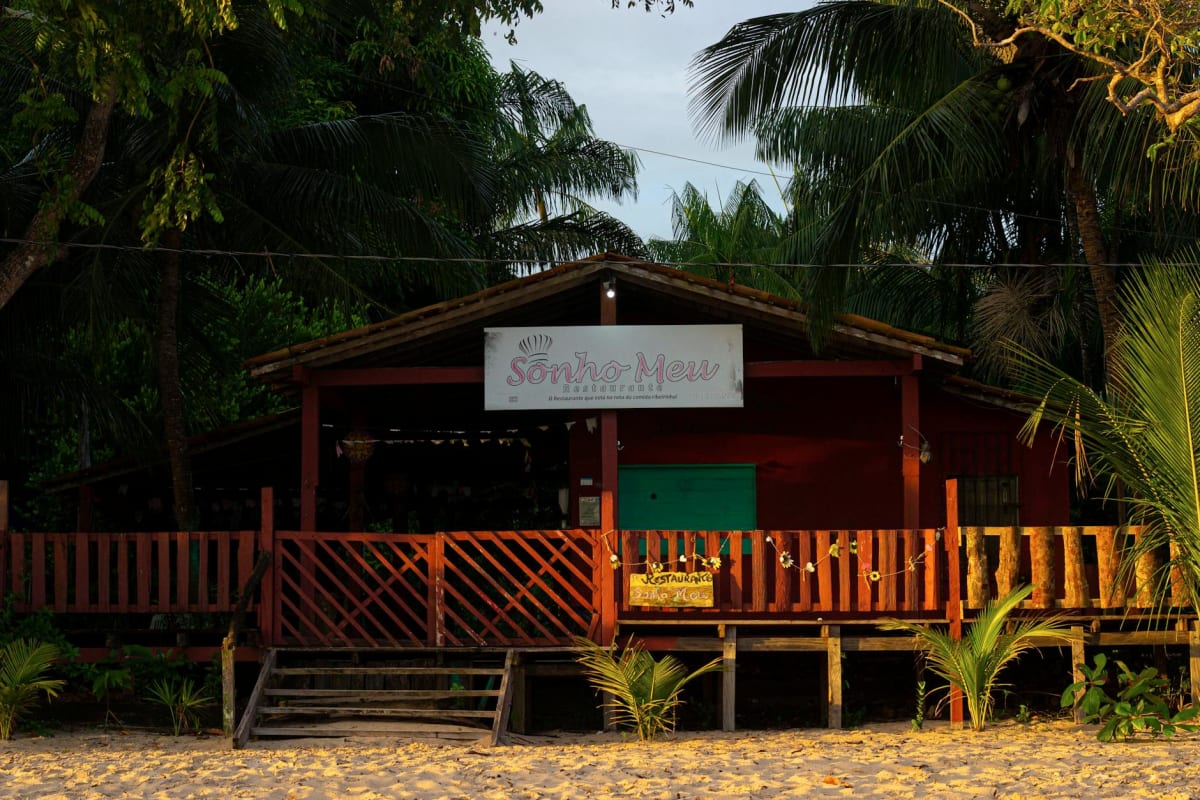
When evaluating accommodations in Central America, prioritize these features specific to wave riders:
Proximity and Access — Properties within 500 meters of a break save time and frustration. Ask about beach access agreements and whether you can paddle out directly from the property.
Gear Storage — Dedicated lockable board racks, wax and fin storage, and covered areas for rinse-downs prevent salt damage and theft. Climate-controlled storage is rare but valuable.
Drying Infrastructure — A covered gear drying room with airflow beats leaving boards in the sun (which can warp fiberglass). Dedicated towel service is a bonus.
Early Breakfast Service — Surf requires early departures. Properties offering 6 AM breakfast service or grab-and-go options matter. Communal kitchens let budget travelers prep their own meals.
Shuttle Services — Even properties without beachfront access become valuable if they run daily shuttles to breaks. Ask about frequency, cost, and destination variety.
Repair Services — Small ding repairs and equipment maintenance happen. Properties with a shaper on-site or referral networks are invaluable.
Social Spaces — Communal areas, group dinners, or organized local outings help surfers connect and share spot knowledge.
Location Guide: Where to Stay Relative to Top Breaks
Pacific Coast Costa Rica — Tamarindo, Nosara, and Dominical host the most consistent infrastructure. Tamarindo suits beginners; Nosara attracts intermediate to advanced riders seeking righthand point breaks. Stay near town centers for restaurant and supply access.
Nicoya Peninsula, Costa Rica — Playa Negra, Malpais, and Santa Teresa offer world-class reef breaks and a less-crowded vibe. These spots suit intermediate to advanced surfers. Accommodation clusters near town centers (Montezuma, Santa Teresa) but offer fewer services.
Osa Peninsula and South Zone, Costa Rica — Ojochal, Puerto Jimenez, and Dominical appeal to adventurous surfers seeking uncrowded beach breaks and jungle immersion. Amenities are minimal but authentic. Plan for longer travel times to shops and dining.
Nicaragua's Pacific Coast — San Juan del Sur and the surrounding breaks (Popoyo, Hermosa) are ideal for intermediate surfers seeking value and fewer crowds than Costa Rica. Accommodation clusters near town; most properties arrange daily shuttles to nearby breaks.
Panama's Caribbean Coast — Bocas del Toro serves intermediate and advanced surfers on a smaller, more intimate scale. Accommodation is limited but quirky and welcoming. Waves are consistent June through November 2026.
Booking Strategy: Timing and Shoulder-Season Savings
Book accommodations 4–6 weeks in advance for travel during June–August 2026 or December 2026–February 2027. These peak windows see high demand and premium rates.
For significant savings without sacrificing conditions, target shoulder seasons: May 2026 (pre-rainy season) and March–April 2027 (post-Caribbean season). Rates drop 15–30%, and waves remain reliable. September–October 2026 offers the best value-to-conditions ratio on the Pacific side, though occasional tropical rain passes through.
Many mid-range and budget properties offer 10–20% discounts for stays longer than 7 days. If you're serious about surfing and learning, commit to two weeks. The discount often exceeds the cost of extra nights, and progression accelerates with immersion.
Book directly with the property when possible—they often offer low-price guarantees and can guarantee early breakfast and shuttle services in writing. For budget properties, Booking.com search links are provided above, but email the property directly to confirm specific amenities.
Final Recommendation: Check the Epic Score Before You Book
Central America's appeal lies in its accessibility and consistency, but conditions vary by month and location. Before finalizing your accommodation booking, check the Epic Trips Epic Score for your chosen destination and dates. The score aggregates swell forecasts, wind patterns, crowd levels, and accessibility data to tell you whether your planned dates align with world-class conditions—or if shifting your trip by a week could unlock significantly better waves.
Combine the Epic Score with this accommodation guide to lock in a property near the breaks that'll be firing during your arrival. Central America is waiting.
Browse all accommodations in Central America on Booking.com
Plan Your Trip to Central America
Ready to experience it for yourself? Here's everything you need to book your adventure:
Flights
Search flights to Central America on Skyscanner
Where to Stay
Browse hotels in Central America on Booking.com
Activities & Experiences
Book surfing experiences in Central America on GetYourGuide
Check the Epic Score
See conditions data for Central America on Epic Trips
